










What's Happening?
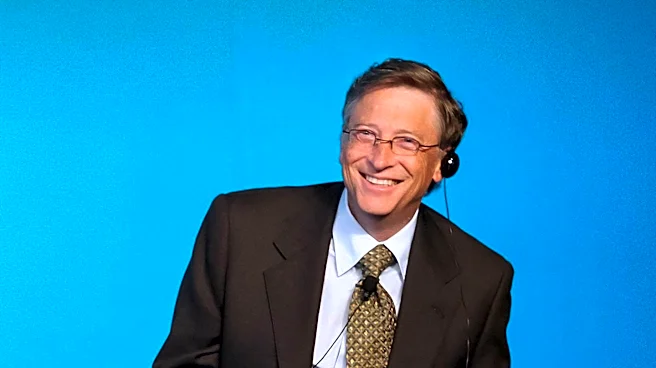
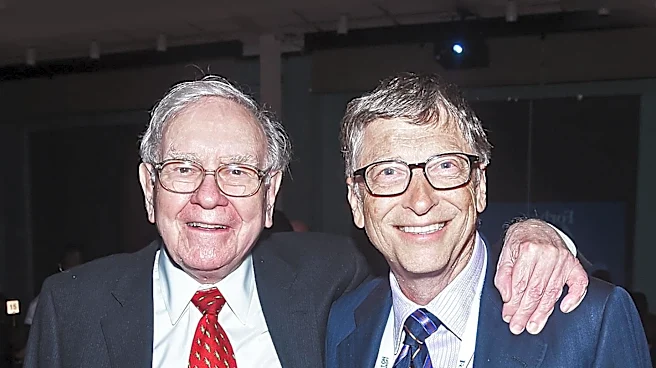
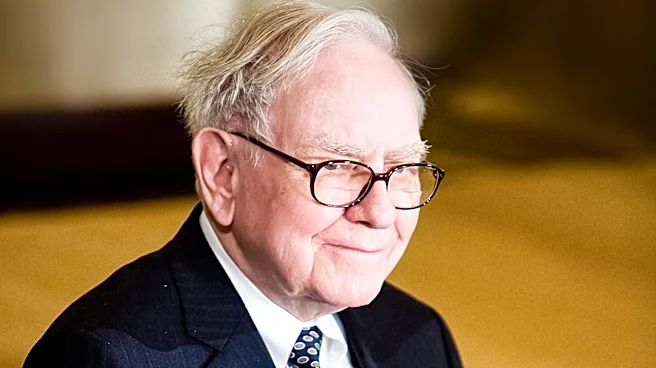
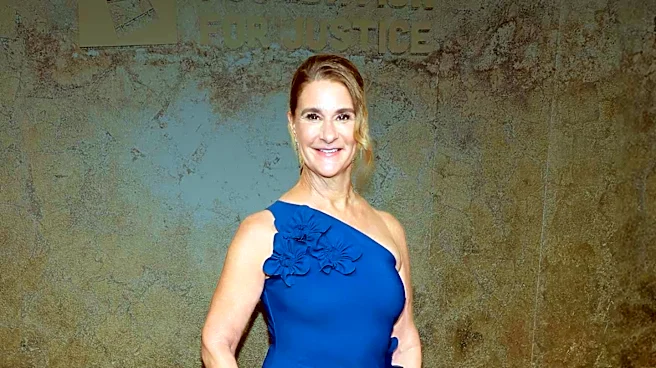
The Gates Foundation, co-founded by Bill Gates and Melinda Gates, is witnessing a decline in participation in the Giving Pledge, a philanthropic initiative launched in 2010 with Warren Buffett. The pledge aimed to encourage billionaires to donate half
of their wealth to charitable causes. Initially, the pledge saw significant participation, with 113 families joining in the first five years. However, recent years have seen a sharp decline, with only four new signatories in 2024. This trend reflects a broader shift in philanthropic attitudes among the tech elite, with some, like Elon Musk, viewing their business ventures as forms of philanthropy. Concurrently, Neil Rimer, co-founder of Index Ventures, has highlighted the potential for wealth redistribution, either voluntarily or through legislative measures, as wealth concentration reaches levels reminiscent of the Gilded Age.
Why It's Important?
The decline in participation in the Giving Pledge and the broader shift in philanthropic attitudes among the wealthy tech elite have significant implications for charitable giving and wealth distribution in the U.S. As fewer billionaires commit to large-scale philanthropy, there is growing concern about the concentration of wealth and its societal impacts. This trend could lead to increased calls for legislative measures to redistribute wealth, such as wealth taxes, which are already being considered in states like California. The potential for such measures could impact economic policy and the financial strategies of the wealthy, influencing where they choose to reside and invest. Additionally, the shift away from traditional philanthropy could affect funding for non-profit organizations and social initiatives that rely on large donations from wealthy individuals.
What's Next?
As the debate over wealth redistribution continues, it is likely that legislative proposals for wealth taxes and other measures will gain traction, particularly in states with significant income inequality. The tech industry, which has seen substantial wealth accumulation, may face increased scrutiny and pressure to contribute more to societal welfare. Companies and individuals may need to navigate these changes by reassessing their philanthropic strategies and financial planning. Additionally, the philanthropic sector may need to adapt to changing donor behaviors and explore new models for funding and engagement. The outcome of these developments could shape the future of wealth distribution and philanthropy in the U.S., with potential implications for economic policy and social equity.
Beyond the Headlines
The decline in traditional philanthropy and the potential for wealth redistribution raise ethical and cultural questions about the responsibilities of the wealthy in society. The historical context of wealth concentration and redistribution, as seen in the Gilded Age, provides a backdrop for current discussions. The role of tech companies and their leaders in addressing societal challenges is increasingly scrutinized, with some viewing their business practices as insufficient substitutes for direct philanthropic efforts. This shift may prompt a reevaluation of the moral and ethical obligations of the wealthy, particularly in industries that have benefited significantly from technological advancements and market dynamics.