







What's Happening?
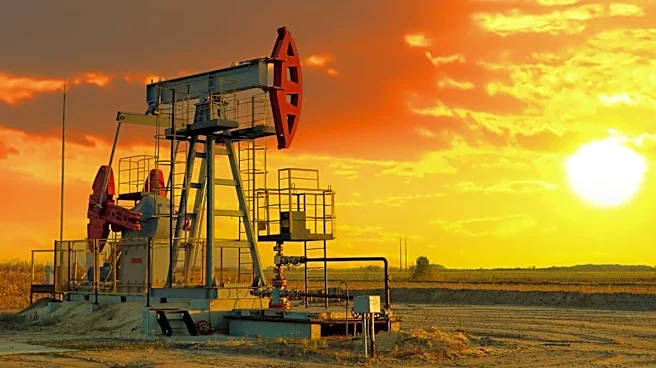
The national average price for a gallon of regular gasoline in the United States is anticipated to exceed $4.00, driven by instability in the Strait of Hormuz and rising crude oil prices nearing $80 per barrel. According to the AAA, the national average has
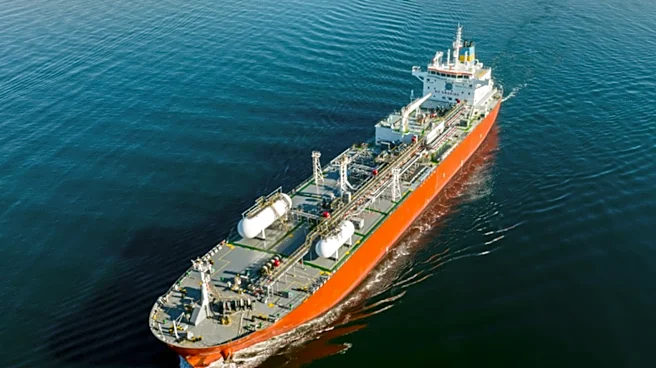
already increased by 10 cents over the past week, reaching $3.94. This marks a return to the $4 range, which was last seen in mid-June. The increase in fuel prices is attributed to geopolitical tensions affecting oil supply routes, particularly in the Middle East. The AAA reports that all five fuel price averages have risen compared to the previous month, indicating a broader trend of increasing fuel costs.
Why It's Important?
The rise in gasoline prices has significant implications for the U.S. economy and consumers. Higher fuel costs can lead to increased transportation expenses, affecting the cost of goods and services across various sectors. This can contribute to inflationary pressures, impacting household budgets and potentially slowing economic growth. The situation also highlights the vulnerability of global oil markets to geopolitical tensions, underscoring the need for energy diversification and stability. Consumers and businesses may face financial strain as they adjust to higher fuel expenses, which could influence spending patterns and economic activity.
What's Next?
As gasoline prices continue to rise, there may be increased pressure on policymakers to address energy security and explore alternative energy sources. The situation could prompt discussions on domestic energy production and the strategic petroleum reserve. Additionally, consumers may seek ways to reduce fuel consumption, such as adopting more fuel-efficient vehicles or utilizing public transportation. The ongoing geopolitical tensions in the Middle East will likely remain a critical factor influencing global oil prices, and any resolution or escalation could have immediate effects on the market.