



What's Happening?
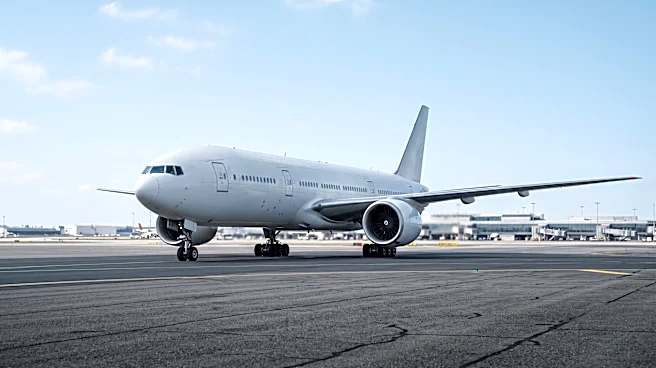
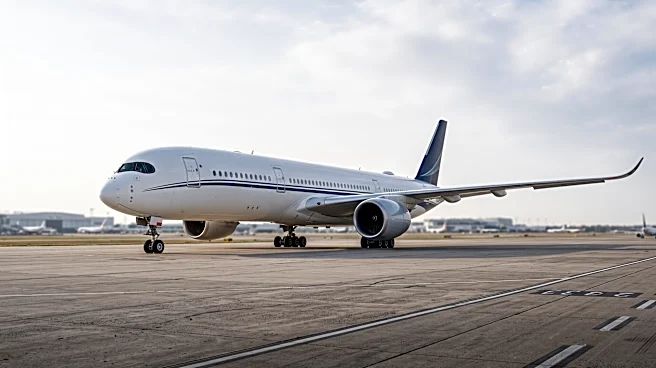
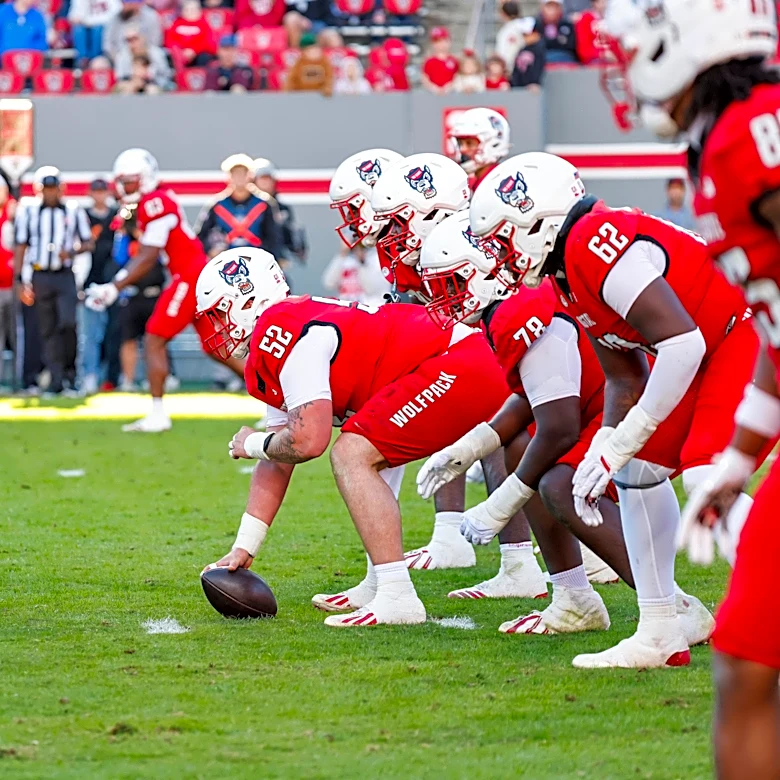
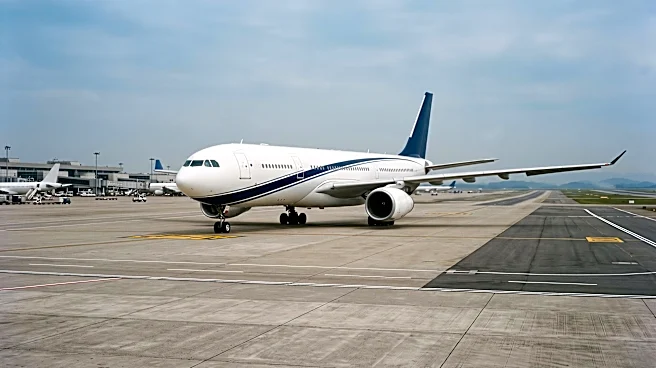
The Federal Aviation Administration (FAA) is experiencing issues that are causing significant travel disruptions for college football teams, including Utah State University (USU). These problems are affecting teams' ability to reach their destinations
for scheduled games. The specific nature of the FAA issues has not been detailed, but their impact is widespread enough to interfere with the logistical operations of college sports. This situation highlights the critical role of air travel infrastructure in supporting nationwide events like college football, where teams often need to travel across states to compete. The disruptions are creating challenges for athletic departments in ensuring their teams arrive on time and are prepared for their matchups.
Why It's Important?
These FAA-related travel disruptions are important because they directly impact the integrity and scheduling of college football, a major American sport with significant economic and cultural implications. For teams like Utah State, travel delays can affect player rest, practice schedules, and overall game performance, potentially altering outcomes. Beyond individual teams, widespread travel issues could lead to game postponements or cancellations, which have financial consequences for universities, broadcasters, and local economies that benefit from game-day tourism. The reliability of air travel is crucial for the smooth operation of collegiate athletics, and any systemic issues with the FAA can ripple through the entire sports ecosystem, affecting fan engagement and revenue streams.
What's Next?
The immediate focus will be on resolving the FAA issues to minimize further disruptions to college football and other air travel. Universities and athletic conferences will likely be working closely with airlines and the FAA to find alternative travel arrangements or adjust schedules as needed. There may be discussions within the NCAA and conference leadership about contingency plans for future travel disruptions, especially given the tight schedules of college sports. The long-term implications could involve a review of air travel protocols for sports teams or increased pressure on the FAA to address and prevent such widespread issues from recurring, ensuring the continuity of athletic events.
Beyond the Headlines
Beyond the immediate impact on college football, these FAA issues underscore broader vulnerabilities in critical national infrastructure. The reliance of various sectors, including sports, on a smoothly functioning air traffic control system means that disruptions can have far-reaching consequences. This event could prompt a closer examination of the FAA's operational resilience, funding, and technological capabilities. It also highlights the interconnectedness of different sectors; what might seem like a technical glitch in air traffic control can directly affect the cultural and economic fabric of communities that rally around college sports. The incident serves as a reminder of the need for robust and reliable infrastructure to support a wide array of national activities.