



What's Happening?
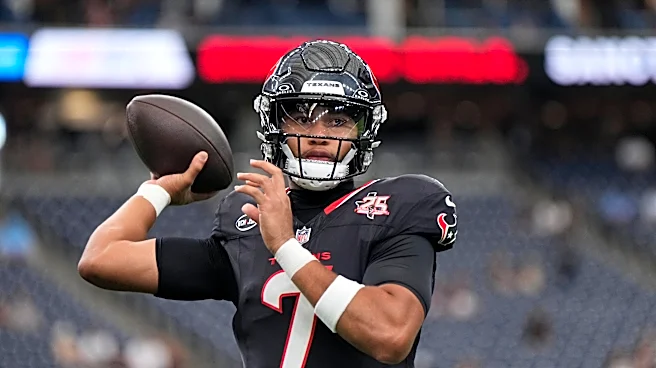
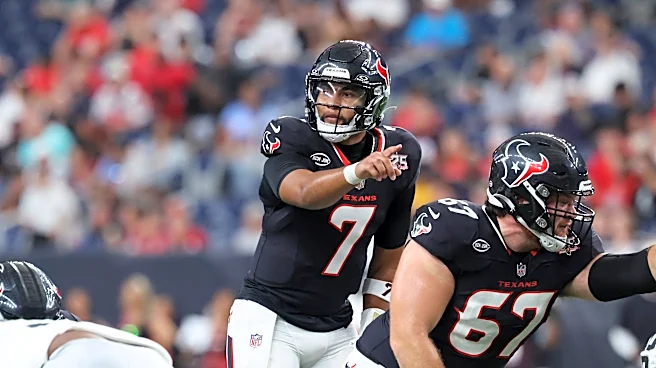
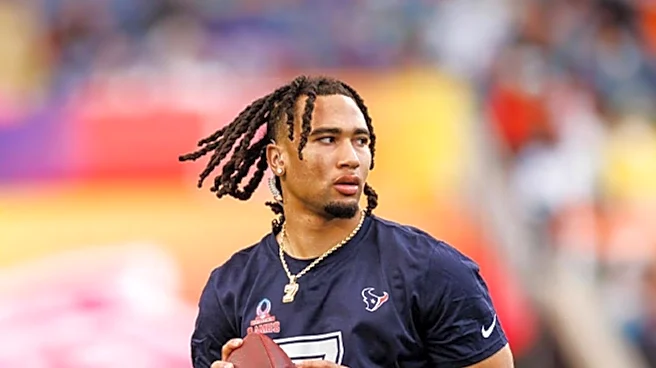
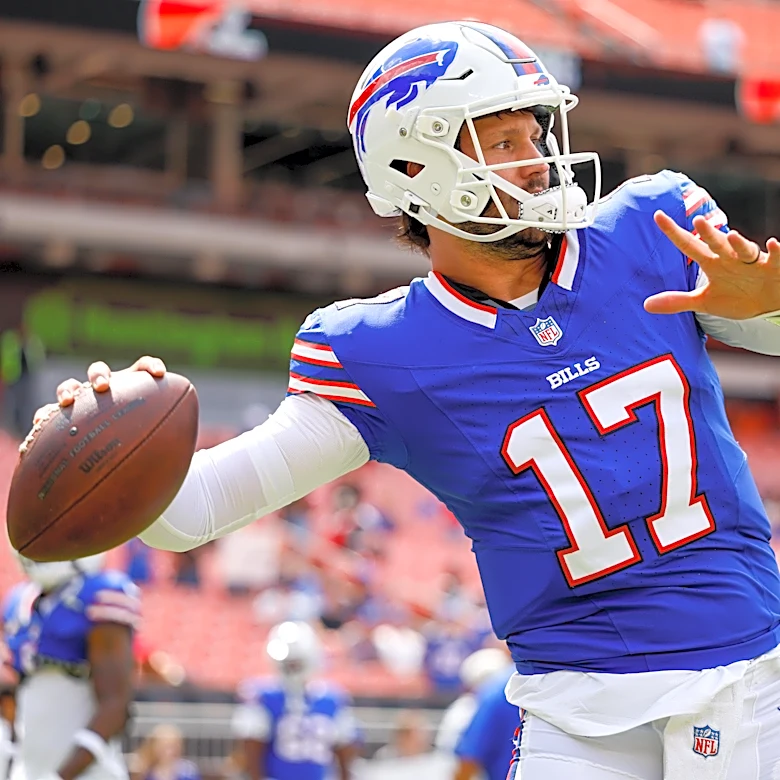
The Houston Texans have imposed a deadline for contract negotiations with quarterback C.J. Stroud. General manager Nick Caserio announced that discussions for a new deal will cease once the regular season commences on September 13, when the Texans face
the Buffalo Bills. If an agreement is not reached by then, talks will be postponed until the offseason. Stroud is currently under contract through the 2027 season, as the Texans exercised his fifth-year option in April. This decision provides the team with leverage, as there is no immediate threat of a holdout or Stroud entering free agency soon. Stroud, who will turn 25 in October, is entering the fourth year of his rookie contract. His performance has been notable, winning Offensive Rookie of the Year in his first season with 4,108 passing yards, 23 touchdowns, and five interceptions. While his subsequent seasons in 2024 and 2025 saw slightly lower statistics and some missed games due to injury, he has led the Texans to the playoffs in all three of his NFL seasons, accumulating a 28-18 record as a starter.
Why It's Important?
This contract situation is significant for the Houston Texans as it directly impacts the long-term stability and financial planning of the franchise. Securing a franchise quarterback like Stroud is crucial for sustained success in the NFL. The team's decision to set a deadline indicates a strategic approach to avoid in-season distractions and potentially gain negotiating leverage if Stroud's performance in the upcoming season is not as dominant. However, this strategy also carries risks; if Stroud returns to his rookie-season form or exceeds expectations, his market value could significantly increase, making a future extension more expensive for the Texans. The complexity of quarterback contracts, involving larger numbers and more intricate guarantees compared to other positions, makes this negotiation a high-stakes affair. The Texans recently extended another key player from the 2023 draft, Will Anderson Jr., for $150 million over three years, highlighting their commitment to building a core, but quarterback deals operate on a different financial scale.
What's Next?
The immediate next step is for both C.J. Stroud's representatives and the Houston Texans to attempt to reach a contract agreement before the September 13 deadline. If a deal is not finalized, negotiations will be tabled until the offseason, meaning Stroud will play the entire 2026 season under his current rookie contract terms. This scenario would place increased scrutiny on Stroud's performance throughout the season, as his play will directly influence his future contract value. Should he excel, the Texans could face a more expensive negotiation next year. Conversely, if his performance is inconsistent, the team might gain more leverage. Stroud has publicly stated his intention to focus on football and leave contract discussions to his agent, suggesting he aims to avoid it becoming a distraction during the season. The outcome of this deadline will shape the financial landscape for the Texans and potentially influence how other teams approach similar contract situations with their young star quarterbacks.
Beyond the Headlines
The Texans' approach to Stroud's contract reflects a broader trend in the NFL regarding how teams manage high-value quarterback extensions. By setting a firm deadline, the organization aims to mitigate potential in-season distractions and maintain focus on team performance. This strategy also tests the player's commitment to the team versus immediate financial security. For Stroud, playing without a long-term deal could be a gamble, but it also offers the opportunity to significantly increase his market value with an outstanding season. The situation highlights the intricate balance between team control, player value, and financial risk management in professional sports. It also underscores the unique nature of quarterback contracts, which often dictate a franchise's financial flexibility for years. The decision to wait could be seen as a calculated risk, potentially saving the team money if Stroud's performance dips, but also risking a much higher payout if he performs exceptionally well, setting a precedent for future negotiations across the league.