

What's Happening?
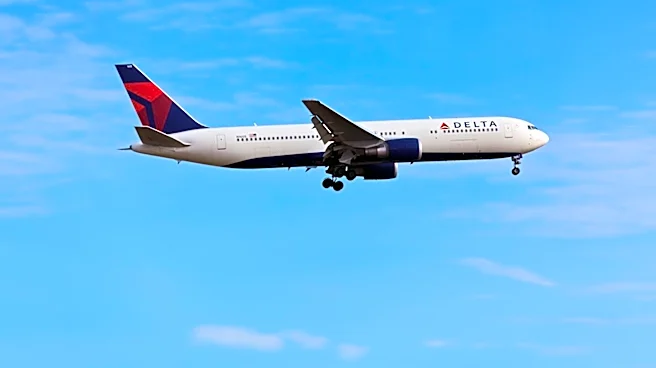
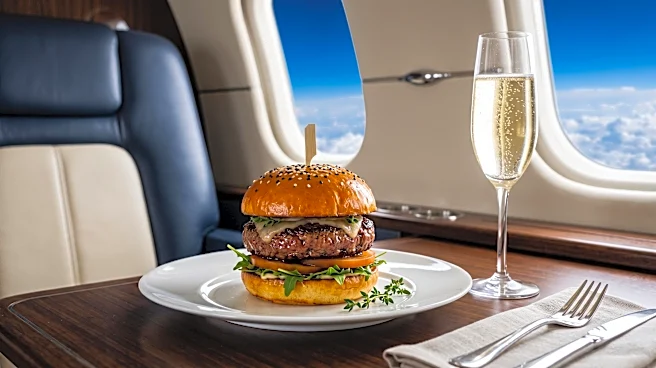
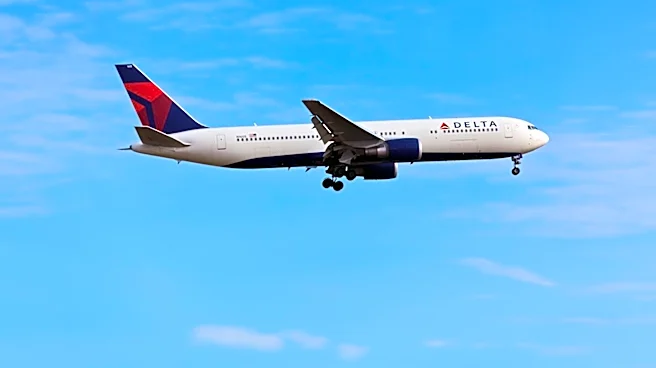
Delta Air Lines has introduced a new era for its Delta One business class cabin, aiming to establish itself as a leader in premium end-to-end travel experiences. The airline's upgraded offerings include a reimagined menu featuring a Wagyu brioche burger,
Hong Kong-style sea bass, Japanese grilled salmon, and a rotating risotto dish, all served on new Delta-branded tableware. Passengers will also experience a 'fresh cracked pepper service' akin to high-end restaurants. Dessert options now include an ice cream cart with a new fruit sorbet paired with Taittinger Champagne. The beverage list has been updated with sommelier-approved wines, including Silver Oak Cabernet Sauvignon, and Blanton’s Single Barrel Bourbon served in miniature decanters. Flights to and from Tokyo-Haneda will feature a sake program curated by Dassai 45 and regional cuisine designed in collaboration with Michelin-starred chef Norio Ueno. Additionally, new amenity kits from Missoni, along with Missoni pillows and Bombas compression socks, are being provided. These enhancements are part of a broader $1 billion investment by Delta into upgrading its fleet and were informed by two decades of customer insights.
Why It's Important?
This significant upgrade by Delta Air Lines reflects a strategic move to capture a larger share of the premium travel market and enhance customer loyalty among high-value business and leisure travelers. By offering a 'hotel and restaurant experience in the sky,' Delta is directly competing with other global carriers that prioritize luxury and comfort. The introduction of high-end culinary options, premium spirits, and designer amenity kits aims to differentiate Delta's service and justify higher ticket prices for its Delta One cabin. This investment could set new industry standards for in-flight luxury, potentially prompting other U.S. airlines to re-evaluate and upgrade their own premium offerings to remain competitive. For consumers, it means a more refined and comfortable travel experience, particularly on long-haul international routes, while for Delta, it signifies a commitment to brand positioning as a top-tier airline.
What's Next?
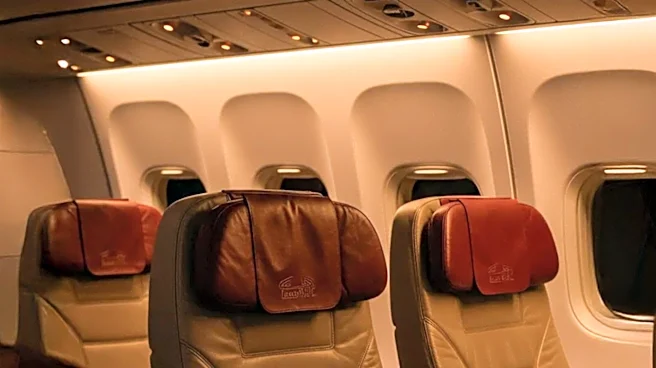
The new Delta One enhancements have already launched on transoceanic routes departing from Los Angeles International Airport and are slated for a full global network expansion by 2027. As Delta continues to roll out these upgrades, it will likely monitor customer feedback and adjust offerings as needed. The airline also plans to introduce next-generation Delta One suites next year, which will feature longer lie-flat seats, larger TV screens, and additional amenities. Furthermore, Stephanie Laster, Delta’s Managing Director of Onboard Experience, indicated that the airline aims to provide a 'premium for all' experience, suggesting that upgrades for premium economy and economy cabins may be unveiled in the future. This phased rollout indicates a long-term strategy to elevate the overall passenger experience across all service classes.
Beyond the Headlines
Delta's move beyond standard airline catering and amenities into a realm of curated luxury reflects a broader trend in the travel industry where airlines are increasingly focusing on experiential value. This strategy goes beyond mere comfort, aiming to create memorable journeys that resonate with travelers seeking exclusivity and personalized service. The collaboration with high-end brands like Missoni and renowned chefs and sommeliers transforms the flight experience into a lifestyle statement, blurring the lines between air travel and luxury hospitality. This could lead to a redefinition of what constitutes 'premium' in air travel, pushing competitors to innovate not just in seat design but in the entire sensory journey. The emphasis on details, from hot towel consistency to specific whipped cream at altitude, underscores a meticulous approach to customer satisfaction that could influence service standards across the entire industry.