



What's Happening?
The U.S. Department of the Treasury has released its semiannual report to Congress on the macroeconomic and foreign exchange policies of major trading partners of the United States. This report covers the four quarters through December 2025 and evaluates
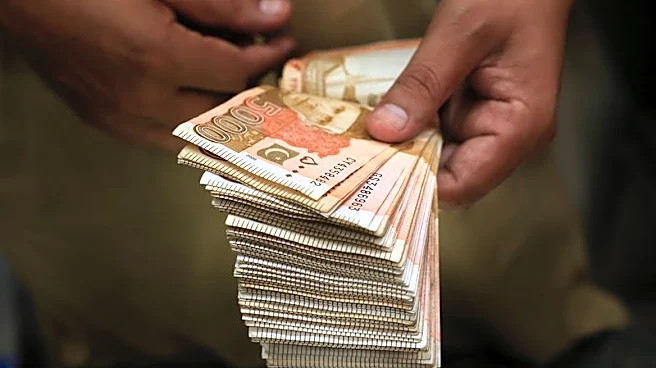
the practices of countries that account for nearly 80% of U.S. foreign trade in goods and services. Treasury Secretary Scott Bessent emphasized the impact of unfair currency practices on the U.S. trade deficit and manufacturing employment. The report concluded that no major trading partner manipulated their currency exchange rates to gain unfair trade advantages. However, ten economies, including China, Japan, and Germany, remain on a 'Monitoring List' for their currency practices and macroeconomic policies. The report also noted China's lack of transparency in its exchange rate policies, although it was not designated as a currency manipulator.
Why It's Important?
The Treasury's report is significant as it reflects ongoing concerns about currency manipulation and its impact on the U.S. economy, particularly in terms of trade deficits and manufacturing jobs. By monitoring and reporting on these practices, the Treasury aims to support President Trump's America First Trade Policy, which seeks to protect American workers and businesses from unfair foreign competition. The inclusion of major economies on the Monitoring List indicates areas where the U.S. government will focus its diplomatic and economic efforts to ensure fair trade practices. This report can influence future trade negotiations and policies, potentially affecting international economic relations and the global market.
What's Next?
The Treasury Department will continue to monitor the currency practices of major trading partners, with a focus on those on the Monitoring List. Future reports may include intensified evaluations if significant developments occur. The U.S. may engage in diplomatic discussions or take policy actions if evidence of currency manipulation arises. The ongoing scrutiny of China's exchange rate policies suggests that any future interventions by China could lead to its designation as a currency manipulator, which would have significant implications for U.S.-China trade relations.