




What's Happening?
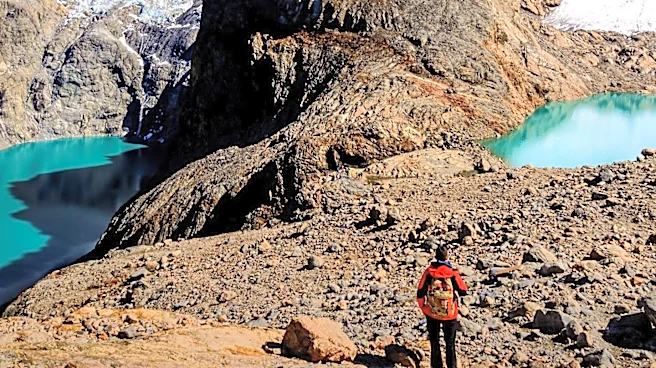
Patagonia, a vast region in southern South America, is renowned for its dramatic natural beauty, encompassing jagged mountain peaks, glacial lakes, and expansive open scenery. Key attractions include national parks like Torres del Paine in Chile, a UNESCO
Biosphere Reserve known for its lakes, glaciers, and wildlife such as guanacos and condors. In Argentina, the Perito Moreno Glacier and Los Glaciares National Park are significant draws. The hiking season in Patagonia typically spans from October through April. January and February are considered peak months, offering the longest daylight hours, though trails can be busiest during this time. Shoulder seasons, such as October to November and March to April, provide a quieter experience with fewer visitors and unique seasonal highlights like spring wildflowers or autumn foliage. The region's weather is famously unpredictable, with conditions capable of changing rapidly, even within a single day, necessitating preparation for various climates.
Why It's Important?
The allure of Patagonia as a premier adventure travel destination significantly impacts the tourism industries of both Chile and Argentina. The region's unique geological formations and diverse ecosystems attract a global audience, contributing substantially to local economies through visitor spending on accommodation, tours, and local goods. The emphasis on specific hiking seasons and the recommendation for shoulder months highlight the importance of sustainable tourism practices to manage visitor flow and preserve the delicate natural environment. The mention of UNESCO Biosphere Reserve status for Torres del Paine underscores international efforts in conservation and the global recognition of Patagonia's ecological value. For travelers, understanding the best times to visit and the variable weather conditions is crucial for planning safe and enjoyable trips, influencing travel advisories and the demand for specialized gear and guided tours.
What's Next?
Travelers planning a trip to Patagonia should consider the optimal timing for their desired activities. While January and February offer extended daylight for hiking, those seeking fewer crowds might opt for the shoulder seasons of October-November or March-April. Continued development of tourism infrastructure, such as accommodations and guided tour options, is likely to support the growing interest in the region. Conservation efforts will remain a priority, especially in protected areas like Torres del Paine, to balance tourism with ecological preservation. Visitors are advised to monitor weather forecasts closely and pack versatile clothing to adapt to the region's rapidly changing conditions. The potential for combining a Patagonian trip with other South American destinations, such as the Atacama Desert, suggests a trend towards multi-destination itineraries that maximize the diverse experiences available in the continent.
Beyond the Headlines
Beyond its immediate appeal as a tourist destination, Patagonia represents a critical area for climate change research due to its extensive glaciers and unique ecosystems. The health of these glaciers, such as Perito Moreno, serves as a natural indicator of global climate patterns. The region's biodiversity, including species like guanacos and condors, faces ongoing challenges from habitat preservation and human encroachment, highlighting broader environmental concerns. The concept of 'four seasons in one day' in Patagonia's weather not only impacts travel logistics but also symbolizes the dynamic and often harsh natural forces that shape the landscape and its inhabitants. The increasing popularity of adventure travel to such remote and pristine locations also raises ethical questions about responsible tourism and minimizing environmental footprints, pushing for more sustainable and eco-conscious travel practices.