


What's Happening?
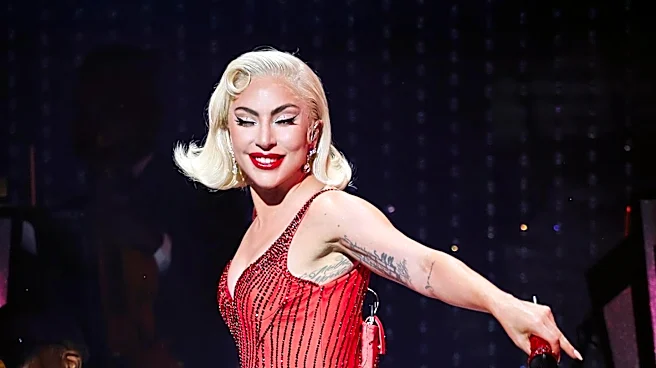
Lady Gaga incorporated two distinct surprise song sections into her Mayhem Ball tour, according to recent reports. One segment featured her performing at the piano, while the other played as she and her dancers concluded their bows after the encore. This
practice aligns with a broader trend in pop music concerts where artists are increasingly including unannounced songs or covers in their setlists. Other notable artists adopting this approach include Phoebe Bridgers, Olivia Rodrigo, Noah Kahan, Harry Styles, and Dua Lipa, who often dedicates covers to specific cities. The phenomenon, which has intensified in recent years, traces its roots to artists like Taylor Swift, who has varied her setlists since her 'Speak Now' tour. This trend has transformed concert experiences, with fans often tracking and comparing setlists across different tour stops, particularly focusing on these surprise elements. The inclusion of such segments aims to create unique moments for attendees and generate online buzz.
Why It's Important?
The growing prevalence of surprise song segments in major pop tours, exemplified by Lady Gaga's Mayhem Ball, signifies a shift in concert dynamics and fan engagement strategies within the U.S. music industry. This trend moves beyond a standard, fixed setlist, introducing an element of scarcity and unique value to each performance. For artists, it offers a way to keep tours fresh, explore their discography, and generate significant social media engagement, as surprise song moments often go viral. This can lead to increased streaming numbers for the featured songs, as observed with artists like Taylor Swift, whose surprise songs saw a notable streaming bump. For fans, it creates an added layer of anticipation and a sense of exclusivity, making each concert feel more personalized. However, it also introduces a potential for disappointment if fans do not hear their desired 'surprise' track, leading to online discussions and comparisons about which tour stops received the 'best' songs. This evolving concert format impacts how tours are marketed, how fan communities interact, and ultimately, the perceived value of a live music experience.
What's Next?
The trend of incorporating surprise songs into pop concerts, as seen with Lady Gaga and numerous other artists, is likely to continue evolving and becoming a standard expectation for major tours. Artists may further innovate how these surprise elements are presented, potentially integrating fan voting mechanisms or more elaborate reveal methods, similar to what 5 Seconds of Summer has done with a 'Deal or No Deal'-style briefcase reveal. The impact on fan culture will likely deepen, with more sophisticated fan-created trackers and online communities dedicated to predicting and documenting these unique setlist variations. This could also lead to increased pressure on artists to constantly innovate their surprise segments to maintain audience interest and virality. The music industry may also explore how to monetize these unique moments, perhaps through exclusive content or special releases tied to specific surprise performances. As this practice becomes more common, the challenge for artists will be to maintain genuine spontaneity and prevent the 'surprise' from becoming a predictable, manufactured element.
Beyond the Headlines
The widespread adoption of surprise song segments in pop concerts, as demonstrated by Lady Gaga's Mayhem Ball, reflects deeper shifts in the relationship between artists and their audiences in the digital age. This trend highlights a move towards 'gamified' entertainment experiences, where elements of chance and exclusivity enhance fan engagement. It also underscores the power of social media in shaping concert culture; the virality of surprise songs often drives online discourse and extends the concert experience far beyond the physical venue. Ethically, it raises questions about the authenticity of 'spontaneity' when such elements become a calculated part of tour planning. While it aims to create unique moments, the pressure to deliver a 'winning' surprise song can inadvertently foster a competitive environment among fanbases, potentially detracting from the overall artistic experience. This evolution also speaks to the increasing demand for personalized and interactive experiences in live entertainment, pushing artists to find new ways to connect with their audience in an era of constant digital content consumption.