





What's Happening?
The second-hand fashion market is experiencing significant growth, with Vinted emerging as Europe's leading platform for pre-loved clothing and lifestyle items. The company, founded in Lithuania in 2008, has expanded its operations across Europe, connecting
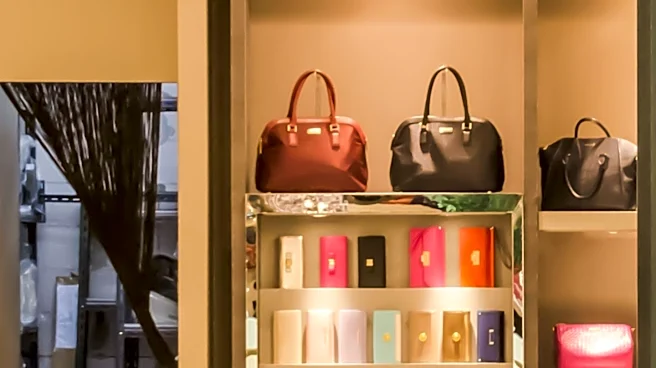
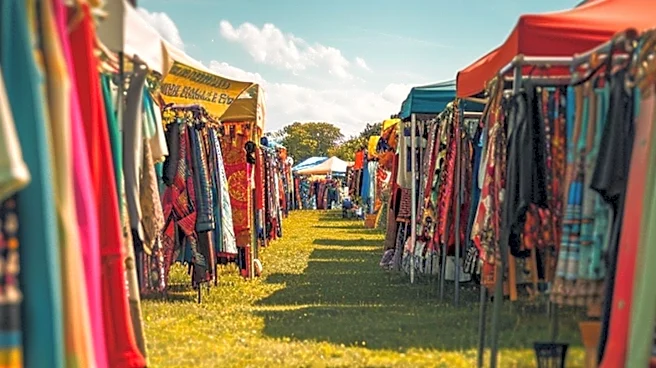
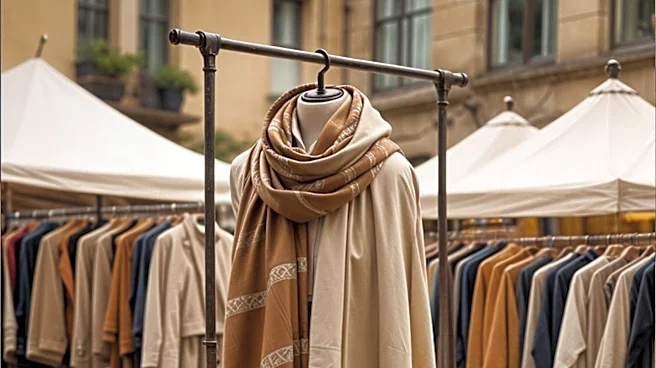
millions of members in over 20 markets. Vinted's mission is to make second-hand the first choice for consumers, offering a wide range of categories beyond just clothing. The platform has also developed Vinted Go, which provides an extensive network of over 500,000 pick-up and drop-off points, and Vinted Pay, a secure payment system integrated into its app. This growth is supported by numerous consumer stories highlighting successful finds, such as designer items and even wedding dresses, at significantly reduced prices from thrift stores and resale outlets. The trend is particularly strong for formalwear due to its infrequent use and high resale value.
Why It's Important?
The rise of the second-hand fashion market, spearheaded by platforms like Vinted, signifies a notable shift in consumer behavior and has several important implications for the U.S. retail industry and environmental sustainability. For consumers, it offers an affordable and sustainable alternative to fast fashion, allowing access to high-quality or designer items at a fraction of their original cost. This trend can empower consumers to make more environmentally conscious choices by extending the lifecycle of clothing and reducing textile waste. For traditional U.S. retailers, this growth presents both a challenge and an opportunity. It challenges the conventional model of constant new production and consumption, potentially impacting sales of new garments. However, it also opens avenues for brands to integrate circular economy practices, such as offering their own resale programs or partnering with existing platforms, to tap into this growing market and enhance their sustainability credentials. The emphasis on formalwear in the second-hand market also suggests a potential for specialized resale platforms to thrive, catering to specific niches within the broader fashion industry.
What's Next?
The continued expansion of the second-hand fashion market is expected to drive further innovation in resale platforms and services. Companies like Vinted may look to expand their reach into new markets, including potentially the U.S., or enhance their existing services to improve user experience and logistical efficiency. This could involve more sophisticated authentication processes for high-value items, improved shipping solutions, and personalized recommendations. Traditional U.S. fashion brands and retailers are likely to increasingly explore strategies to integrate second-hand models into their business operations, either through direct resale initiatives or collaborations with established platforms. This could lead to a more circular fashion economy, where the lifecycle of garments is extended, and waste is minimized. Additionally, consumer awareness campaigns, such as Oxfam's 'Second Hand September,' are likely to continue promoting the benefits of buying pre-loved items, further normalizing and accelerating the adoption of second-hand fashion as a primary choice.
Beyond the Headlines
The burgeoning second-hand fashion movement extends beyond mere economic transactions, touching upon significant cultural and ethical dimensions. It challenges the societal perception of 'new' as inherently superior, fostering an appreciation for items with a history and promoting a more mindful approach to consumption. Ethically, it addresses concerns about the environmental impact of fast fashion, including excessive resource consumption, pollution from manufacturing, and textile waste in landfills. By embracing second-hand, consumers actively participate in reducing their carbon footprint and supporting a more sustainable industry. Culturally, it encourages creativity and individuality, as shoppers curate unique wardrobes that stand apart from mass-produced trends. The stories of finding valuable or sentimental items, like a wedding dress for $5, highlight the emotional connection and personal value derived from these unique finds, transforming shopping into a treasure hunt rather than a mere purchase. This shift could lead to a broader re-evaluation of consumer values, prioritizing sustainability and uniqueness over constant novelty.