





What's Happening?
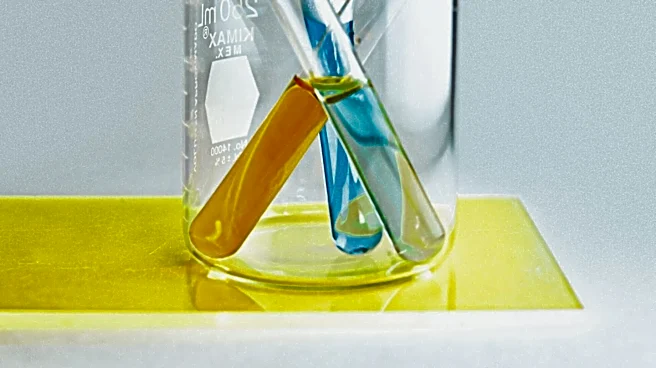
Methylene blue, a drug with a long history in medicine, is being explored for its potential in longevity biohacking. Originally synthesized as a textile dye, it has been used in clinical medicine for over a century, notably for treating malaria. Recent
interest focuses on its ability to address mitochondrial dysfunction, a key factor in cellular aging. Methylene blue acts as a redox cycling agent, facilitating electron transport in mitochondria, which can enhance ATP production and reduce oxidative stress. However, its use is not without risks. It can cause serotonin syndrome when combined with certain medications like SSRIs and SNRIs, and its purity is crucial, as laboratory-grade versions may contain harmful contaminants. The drug's cognitive benefits are dose-dependent, with excessive amounts potentially leading to adverse effects.
Why It's Important?
The exploration of methylene blue in longevity biohacking highlights a growing interest in targeting mitochondrial dysfunction to combat aging. This approach could have significant implications for public health, potentially delaying the onset of age-related diseases and improving quality of life. However, the risks associated with its use, particularly the potential for serotonin syndrome and the need for pharmaceutical-grade purity, underscore the importance of medical supervision. The drug's ability to enhance cognitive function and energy metabolism could benefit individuals experiencing cognitive decline, but the lack of long-term human trial data means its efficacy and safety remain uncertain. As research continues, methylene blue could become a valuable tool in the broader strategy of longevity interventions.
What's Next?
Further research is needed to validate methylene blue's potential benefits in longevity. Ongoing controlled trials aim to provide more definitive evidence of its effects on aging and cognitive function. The development of comprehensive longevity protocols that include methylene blue, alongside other interventions like metabolic optimization and cellular renewal programs, could offer a more holistic approach to aging. As the scientific community continues to explore its applications, regulatory frameworks and clinical guidelines will be essential to ensure safe and effective use. The potential for methylene blue to address mitochondrial dysfunction in conditions like long COVID and Alzheimer's disease also warrants further investigation.