








What's Happening?
Financial experts are highlighting the phenomenon of 'lifestyle inflation,' also known as 'lifestyle creep,' where personal spending increases in tandem with rising income. This trend often leads individuals to feel no wealthier despite earning more,
as expenses that were once considered optional gradually become integrated into their regular spending habits. For instance, a person receiving a significant raise might upgrade their housing, vehicle, or dining habits, leading to increased monthly outlays. While these decisions may seem reasonable given the higher income, they can prevent individuals from accumulating savings or achieving other financial goals. The core issue is that the 'financial breathing room' often remains unchanged, even with a larger paycheck, due to the proportional increase in recurring expenses.
Why It's Important?
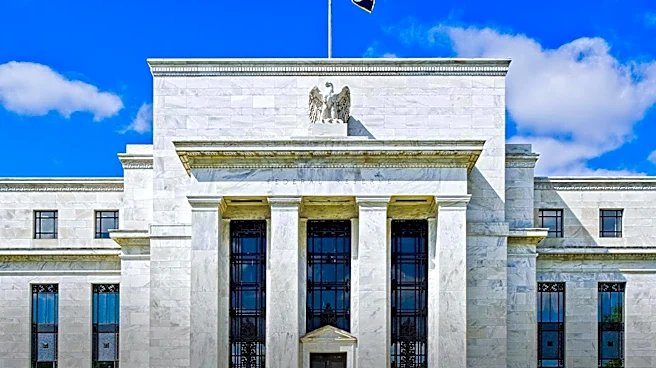
Lifestyle inflation significantly impacts individuals' long-term financial security and wealth-building potential in the U.S. economy. While a higher income might suggest greater financial stability, unchecked lifestyle creep can erode this advantage, leaving individuals vulnerable to economic shifts or unexpected expenses. The Federal Reserve's 2025 report on the Economic Well-Being of U.S. Households indicated that a substantial portion of adults lack sufficient emergency savings, underscoring the fragility that lifestyle inflation can exacerbate. This trend can hinder individuals from investing, paying down debt, or saving for retirement, ultimately limiting their financial flexibility and resilience. The ability to maintain a lower 'lifestyle floor'—the amount needed to cover essential living costs—is crucial for navigating career changes, job loss, or other unforeseen circumstances, offering more options and reducing financial stress.
What's Next?
To counteract lifestyle inflation, financial experts recommend proactive planning when income increases. A key strategy involves allocating a portion of any raise towards savings, investments, or debt repayment before new spending habits are established. For example, individuals could direct a percentage of their increased take-home pay to retirement accounts, emergency funds, or high-interest debt. This intentional allocation helps ensure that a raise contributes to long-term financial goals rather than being absorbed by new discretionary spending. The goal is to create a 'freedom gap'—the difference between income and required spending—which provides greater financial security and choice. By prioritizing financial objectives, individuals can leverage increased earnings to build wealth and enhance their overall financial well-being.
Beyond the Headlines
The psychological aspect of 'hedonic adaptation' plays a significant role in lifestyle inflation, where individuals quickly adjust to new circumstances, causing once-exciting purchases to become ordinary. This tendency can make it challenging to resist increasing spending as income grows, as the initial satisfaction from new acquisitions fades. The societal pressure to maintain a certain standard of living, often influenced by peers or media, further contributes to this cycle. Understanding these underlying psychological and social dynamics is crucial for individuals to make conscious choices about their spending. The true measure of financial success, as highlighted by experts, lies not just in earning more, but in the freedom and security that comes from strategic financial management, allowing individuals to align their spending with their values and long-term aspirations rather than simply keeping pace with their rising income.