






What's Happening?
Leg-focused beauty treatments, largely rooted in the century-old concept of lymphatic drainage, are experiencing a surge in popularity across the U.S. wellness industry. Lymphatic drainage, which involves massage to manipulate and move excess fluids from
the body, aims to reduce swelling, bolster immunity, and improve overall vigor. The Vodder technique, developed in the 1930s, is a manual lymphatic drainage method relying on rhythmic motions to encourage lymph flow. This practice is now appearing in various forms, from high-end spa treatments to more accessible massage franchises and even dermatology offices. Social media platforms like TikTok and Instagram are amplifying this trend, with wellness influencers showcasing lymphatic drainage and other leg-focused techniques for a sculpted appearance.
Why It's Important?
This trend signifies a significant shift in the U.S. beauty and wellness market, moving towards specialized body treatments that combine aesthetic goals with underlying health principles. The integration of lymphatic drainage, a medically recognized technique for conditions like lymphedema, into beauty routines elevates its perceived value and broadens its application. This expansion creates new market opportunities for spas, massage therapists, dermatologists, and product manufacturers. It also highlights a growing consumer demand for treatments that offer both cosmetic enhancement and tangible health benefits, potentially influencing research and development in non-invasive body contouring and skin health technologies. The increased visibility on social media also democratizes access to information about these treatments, though it also necessitates careful discernment regarding credible practitioners and realistic outcomes.
What's Next?
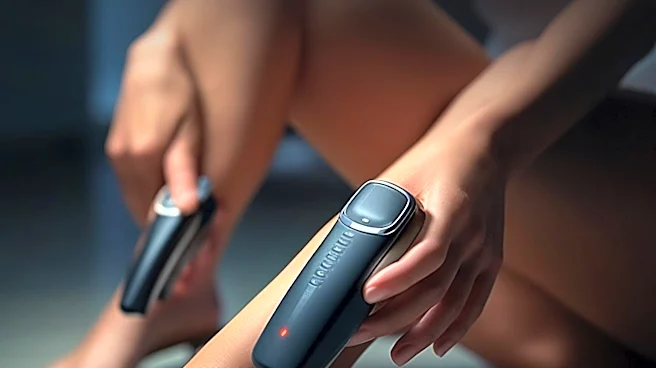
The continued rise of leg-focused beauty treatments suggests further innovation in non-invasive procedures and products. We can expect to see more specialized spas and clinics offering advanced techniques, potentially incorporating technologies like radiofrequency microneedling, collagen-stimulating injectables, and advanced lasers for spider veins. The influence of social media will likely continue to drive consumer interest, leading to more accessible options, including at-home devices and self-care routines. However, this growth also calls for increased regulation and consumer education to ensure safety and efficacy, particularly as the line between medical treatment and cosmetic enhancement blurs. The medical community may also see an increase in patients seeking these treatments for underlying conditions, requiring a collaborative approach between wellness practitioners and healthcare providers.
Beyond the Headlines
The emphasis on 'perfect legs' in contemporary beauty standards, fueled by fashion trends and social media, reveals deeper societal pressures regarding body image. While some treatments offer genuine health benefits, such as addressing chronic swelling or venous issues, others cater primarily to aesthetic desires. This raises ethical considerations about promoting unrealistic beauty ideals and the potential for individuals to pursue unnecessary or costly procedures. The discussion around conditions like lipedema, brought to light by public figures, underscores the importance of distinguishing between cosmetic concerns and serious medical conditions. This trend highlights the complex interplay between health, beauty, and societal expectations, prompting a re-evaluation of what constitutes 'wellness' and how it is marketed.