




What's Happening?
Delta Air Lines CEO Ed Bastian is facing significant criticism, including from SpaceX CEO Elon Musk, for his decision to select Amazon's Project Kuiper (referred to as Amazon Leo in the source) for Delta's in-flight Wi-Fi services instead of Starlink.
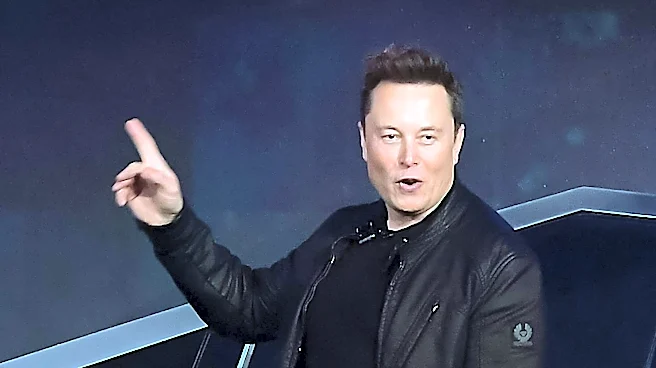
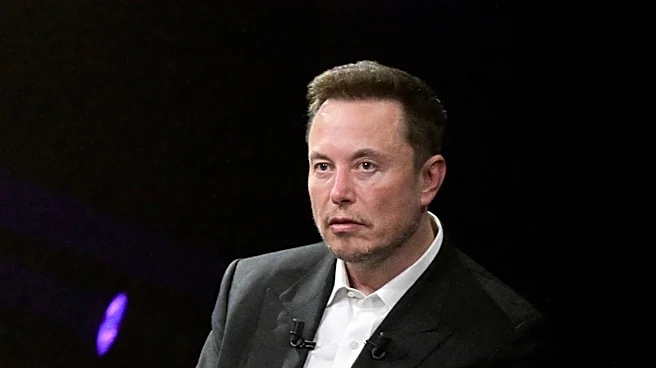
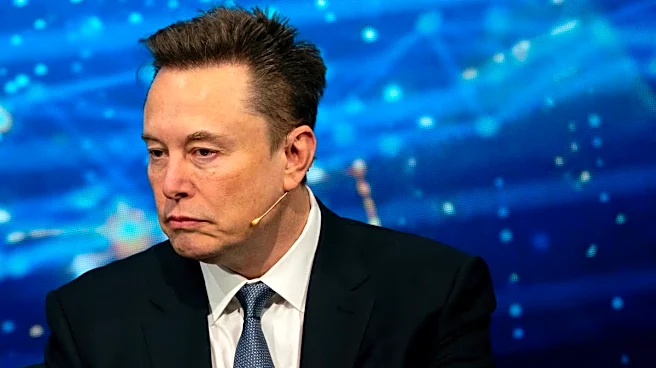
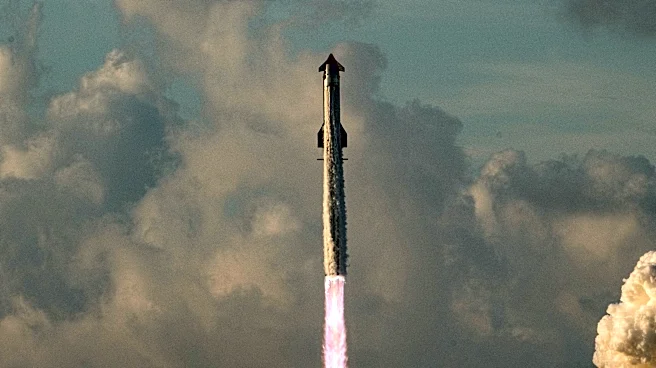
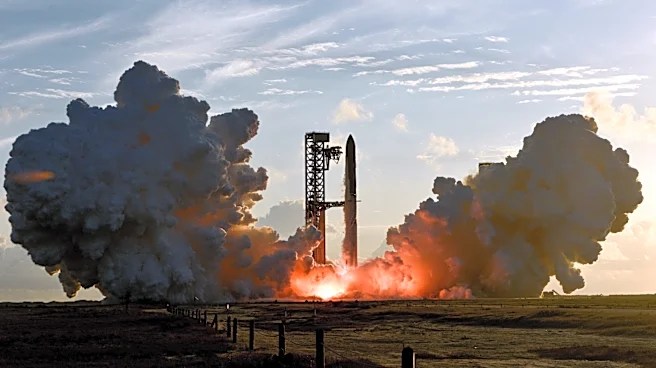
Musk publicly stated that Bastian 'will lose his job' over this choice, and has mocked Delta's current internet connectivity. Bastian defended the decision in a May interview with Bloomberg News, citing that Amazon Leo offered improved bandwidth at a significantly lower price point than Starlink. This conflict has intensified competition among airlines, as in-flight internet access has become a crucial amenity for high-spending and loyal customers. Other major U.S. carriers, including United Airlines and American Airlines, are moving forward with Starlink installations, with United aiming to equip its entire fleet by the end of 2027 and American planning installations across over 500 narrowbody aircraft starting in early 2027. Amazon's Project Kuiper, while ambitious with plans for over 7,000 satellites, currently has only about 400 in orbit, and its aviation product has not been tested at Starlink's scale. In contrast, SpaceX has over 11,000 Starlink satellites in orbit and 12 million active users.
Why It's Important?
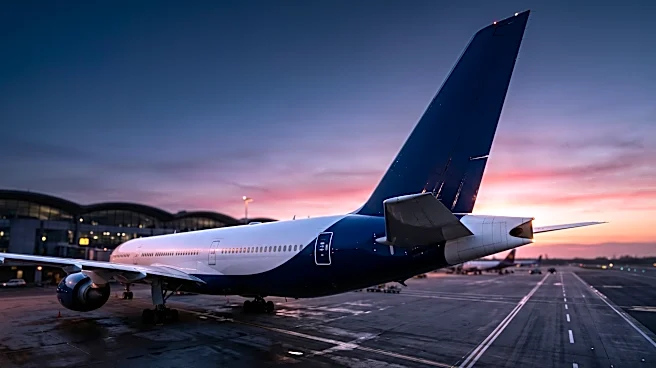
This dispute highlights the growing importance of high-quality in-flight internet as a competitive differentiator in the U.S. airline industry. Airlines are increasingly recognizing that reliable and fast Wi-Fi is no longer a luxury but a necessity for attracting and retaining high-value customers. Delta's decision to opt for Amazon's nascent Project Kuiper, which is still in development and has a smaller satellite constellation compared to Starlink, could potentially put it at a disadvantage against rivals like United and American, which are rapidly deploying Starlink. The availability of fast, low-latency internet allows passengers to stream movies, participate in video calls, and play online games, directly impacting customer satisfaction and loyalty. If Amazon's service lags in performance or deployment, Delta risks losing market share among passengers who prioritize connectivity. The public nature of this feud, fueled by Elon Musk's comments, also draws significant attention to the issue, potentially influencing passenger perceptions and booking decisions based on Wi-Fi offerings.
What's Next?
The immediate future will likely see continued public discourse and competitive maneuvering within the airline industry regarding in-flight Wi-Fi. United Airlines and American Airlines are already capitalizing on the situation by promoting their Starlink-equipped flights and offering status matches to Delta SkyMiles and American AAdvantage members, aiming to poach dissatisfied Delta customers. Delta's rollout of Amazon's Project Kuiper is scheduled to begin in 2028, with JetBlue starting in 2027. The performance and reliability of Amazon's service once deployed will be critical in determining whether Delta's strategic choice was sound. Delays in Amazon's satellite launches, such as those experienced by United Launch Alliance and Blue Origin, could further impact Delta's timeline and competitive standing. The success or failure of Project Kuiper in the aviation sector will also have broader implications for Amazon's ambitions in satellite internet and its ability to compete with established players like Starlink.
Beyond the Headlines
Beyond the immediate competition for in-flight Wi-Fi, this situation underscores a broader trend of technology giants entering and disrupting traditional industries. Amazon's entry into satellite internet with Project Kuiper, directly challenging SpaceX's Starlink, signifies a new frontier in the battle for global connectivity. The airline industry's embrace of advanced satellite internet also reflects a fundamental shift in consumer expectations for seamless digital experiences, even at 35,000 feet. This move could accelerate innovation in aerospace and telecommunications, driving down costs and improving service quality across the board. Furthermore, the public clash between prominent CEOs like Ed Bastian and Elon Musk highlights the increasing influence of individual leaders and social media in corporate strategy and public perception. The ethical dimension of a CEO's personal preferences potentially influencing major business decisions, as suggested by some interpretations of Bastian's comments, also raises questions about corporate governance and stakeholder interests.