





What's Happening?
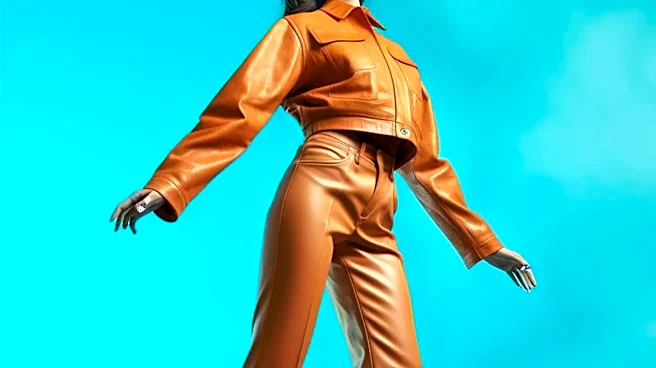
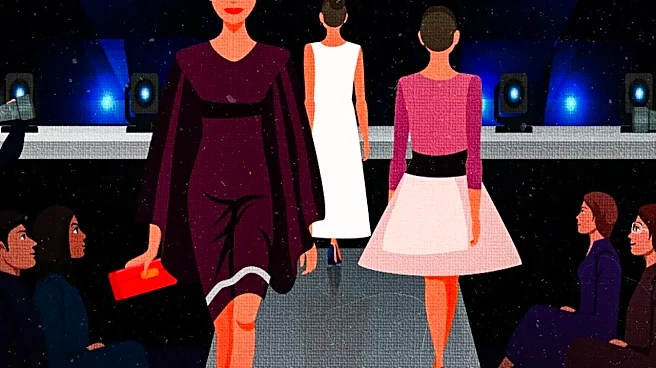
Artificial intelligence is increasingly integrated into the fashion industry, serving as a tool to enhance various aspects from design conceptualization to retail experiences. AI assists designers by generating concepts, exploring design variations, analyzing
trends, and experimenting with colors, patterns, and styles before physical samples are produced. This technology functions as a 'creative assistant,' allowing designers to explore numerous possibilities rapidly. Beyond design, AI is being utilized for trend forecasting by analyzing vast amounts of data, including online searches and social media activity, to predict consumer preferences. In retail, AI powers personalized product recommendations, virtual try-on experiences, and improved customer service. McKinsey's State of Fashion reports indicate that generative AI could significantly boost operating profits in the apparel, fashion, and luxury sectors through automation in design, merchandising, and marketing.
Why It's Important?
The integration of AI into fashion design is important because it redefines the creative process and operational efficiency within the industry. For designers, AI offers an unprecedented ability to accelerate ideation and exploration, potentially leading to more innovative and diverse collections. This shift allows human designers to focus more on critical creative decisions, craftsmanship, and cultural understanding, which AI cannot replicate. For businesses, AI-driven trend forecasting and inventory optimization can reduce waste from overstocking and improve sales by aligning production more closely with consumer demand. The personalized shopping experiences facilitated by AI are crucial for customer engagement and satisfaction in a competitive market, offering tailored recommendations and virtual try-on options that enhance the online retail experience. This technological advancement promises to make the fashion industry more responsive, efficient, and consumer-centric.
What's Next?
The future of fashion will likely see a deeper integration of AI as a collaborative tool rather than a replacement for human designers. Designers who effectively leverage AI will gain a competitive advantage, using it to explore ideas faster and more comprehensively. Businesses will continue to refine AI applications for better demand forecasting, inventory management, and personalized marketing strategies. Consumers can expect increasingly tailored online shopping experiences, with AI-powered assistants guiding them through product selections and virtual try-on technologies becoming more sophisticated. The industry will also need to address the potential for creative homogenization if too many brands rely on similar AI systems, emphasizing the continued importance of unique brand identity and human creative direction. The focus will be on combining technology with genuine human creativity to create a more efficient and innovative fashion ecosystem.
Beyond the Headlines
The ethical and philosophical implications of AI in fashion extend beyond efficiency and profit. While AI can augment creativity, it raises questions about the definition of artistry and craftsmanship in an era where machines can generate designs. There's a potential risk of devaluing human skill if AI-generated illustrations are prioritized over those created by human artists, as some luxury brands are reportedly doing. The long-term impact on employment within creative roles is also a consideration, as AI takes over more technical and repetitive tasks. Furthermore, the reliance on AI for trend analysis could inadvertently lead to a more uniform global aesthetic, potentially diminishing cultural diversity in fashion. The challenge lies in harnessing AI's capabilities to foster innovation and personalization while preserving the unique human elements of creativity, cultural expression, and emotional connection that are fundamental to fashion.