
What's Happening?
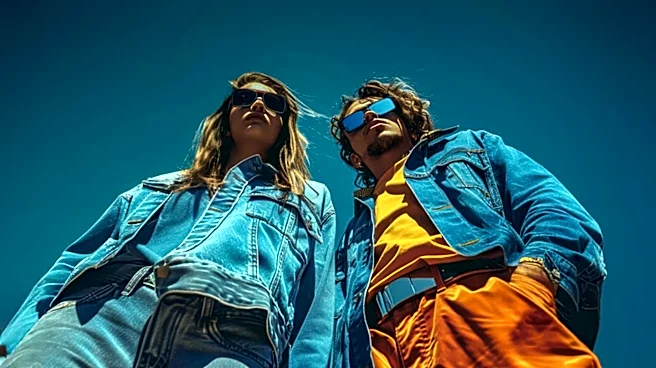
Fashion in 2027 is poised to move away from minimalist and quiet luxury aesthetics, embracing more expressive, decorative, and unexpected styles. This shift is evident across several emerging trends. Denim is becoming more elaborate, featuring new fits,
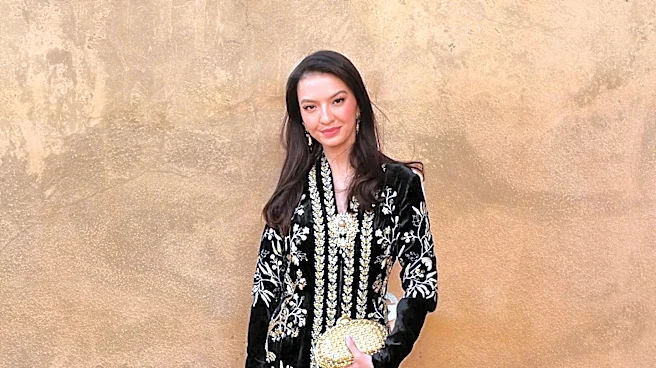
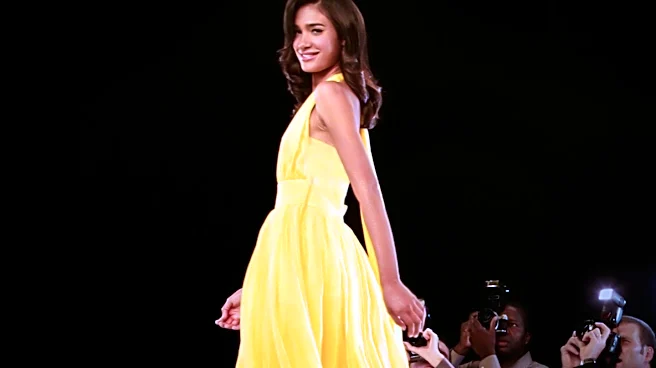
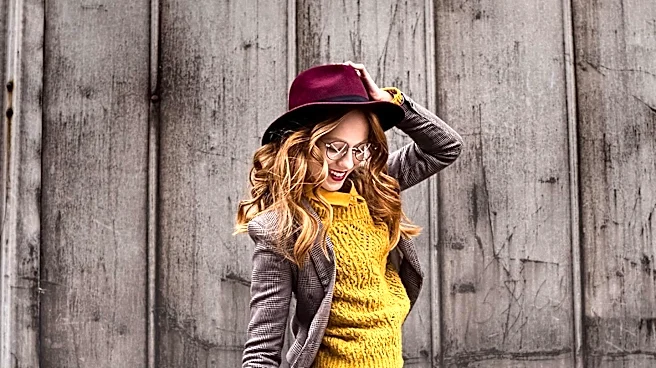
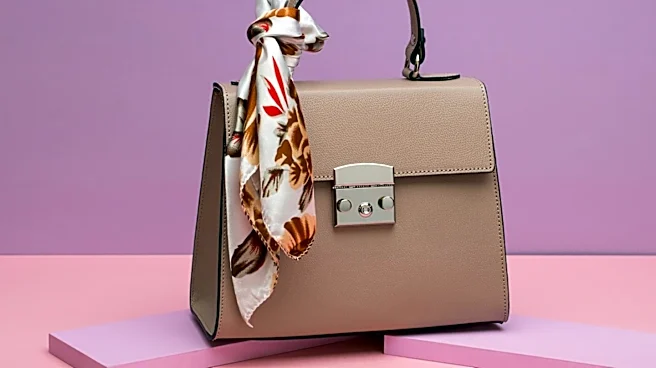
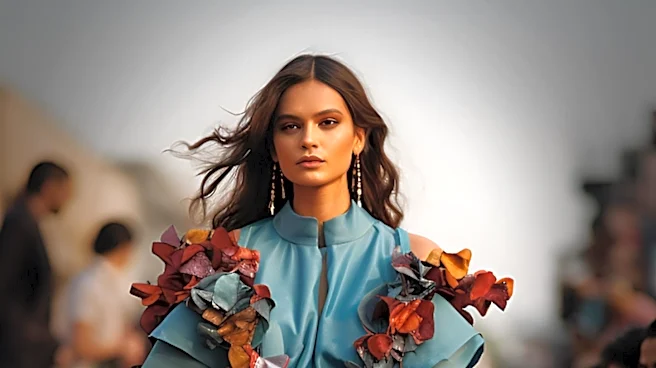
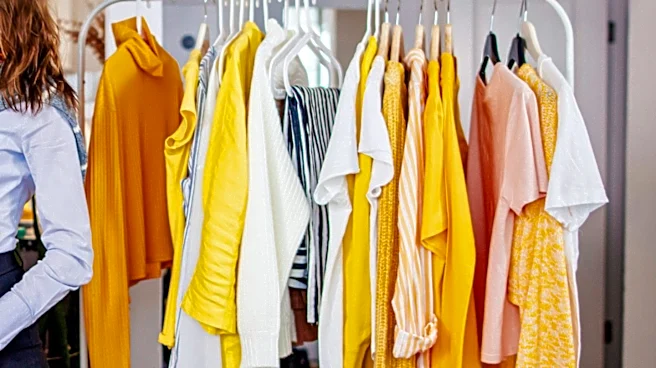
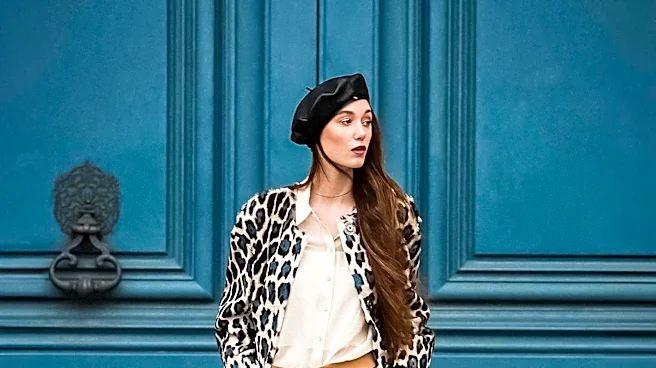
unpredictable colors, interesting washes, and embellishments. Waistlines are transforming into a focal point, with designers and shoppers drawing attention through cinching, wrapping, layering, and exaggerated shaping. Daytime glamour is also on the rise, blurring the lines between occasionwear and everyday attire by incorporating elements like sequins, silk, and lace into ordinary outfits. Additionally, there's a growing embrace of bold color and pattern play, moving beyond neutral wardrobes to include clashing prints and vibrant combinations. Sporty staples are being paired with softer, more polished elements, creating a 'romantic-meets-rugged' aesthetic. Proportions are being intentionally disrupted, with silhouettes that challenge traditional styling advice, such as visually shortened legs and volume at the hips. Finally, a 2010s revival is underway, with Gen Z re-embracing mall brands, embellished denim, and statement accessories from that era.
Why It's Important?
These emerging fashion trends for 2027 indicate a significant shift in consumer preferences and design direction within the U.S. fashion industry. The move towards more expressive and decorative styles suggests a desire for individuality and a departure from the understated looks that have dominated in recent years. This will impact designers, manufacturers, and retailers, who will need to adapt their collections to meet these evolving demands. The emphasis on bold patterns, disrupted proportions, and the re-emergence of 2010s styles could lead to new product development, marketing strategies, and collaborations. For consumers, it offers a fresh landscape for personal expression and an opportunity to experiment with more adventurous fashion choices, potentially influencing purchasing decisions and the overall retail market.
What's Next?
As these trends solidify, consumers can expect to see a wider array of expressive and decorative clothing and accessories in stores. Retailers will likely stock more embellished denim, garments with accentuated waistlines, and pieces featuring bold prints and colors. The integration of glamorous elements into everyday wear will become more common, and the market for second-hand 2010s fashion items may see a boost. Fashion media and influencers will play a crucial role in popularizing these styles, offering styling tips and showcasing how to incorporate these trends into personal wardrobes. Designers will continue to push boundaries with proportions and fabric combinations, further defining the aesthetic of 2027. The industry will also likely explore sustainable ways to produce these more elaborate designs, balancing trend-driven fashion with environmental considerations.
Beyond the Headlines
The shift towards more expressive and unconventional fashion in 2027 can be interpreted as a cultural response to a period of minimalism and uncertainty. After years of 'clean-girl minimalism' and comfort-first dressing, there appears to be a collective desire for joy, creativity, and a more playful approach to self-expression through clothing. The re-emergence of 2010s styles, often perceived as 'tacky' by previous generations, highlights the cyclical nature of fashion and how younger generations reinterpret and reclaim past trends. This movement also challenges traditional notions of 'good taste,' encouraging a more subjective and individualistic approach to style. It suggests a broader societal embrace of authenticity and a rejection of rigid fashion rules, allowing for greater personal freedom in how individuals present themselves to the world.