




What's Happening?
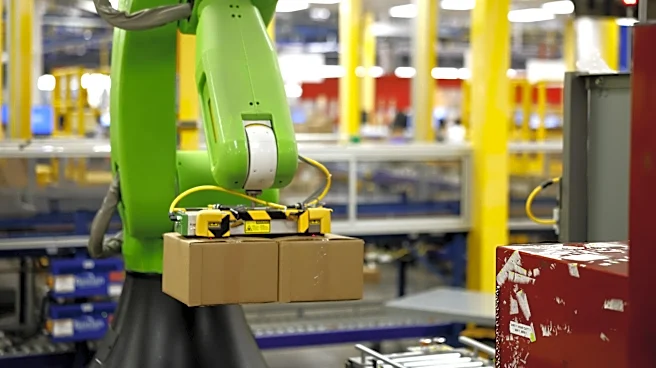
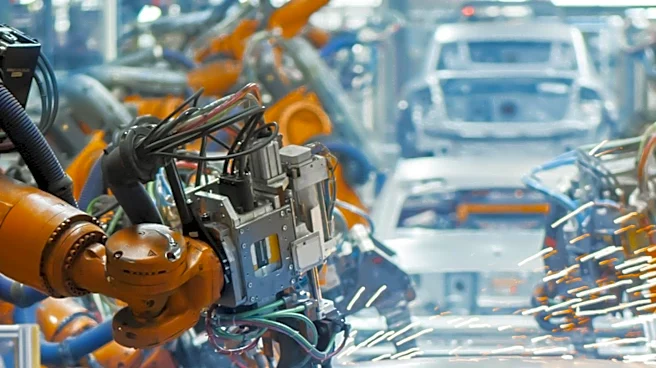
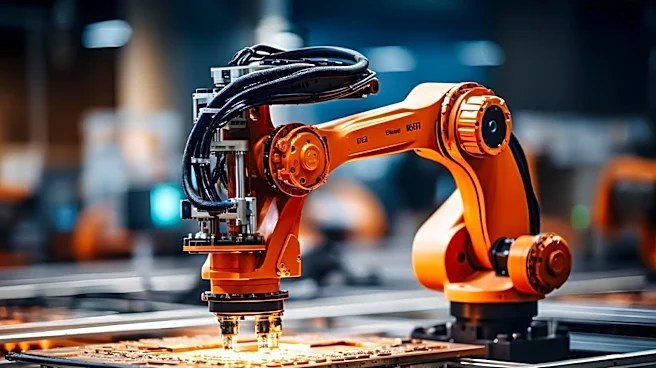
Procter & Gamble (P&G) is significantly expanding its use of automated manufacturing lines, including 'dark-shift' operations that run without human workers, as part of a multi-year program called Supply 3.0. This initiative aims to reduce P&G's global
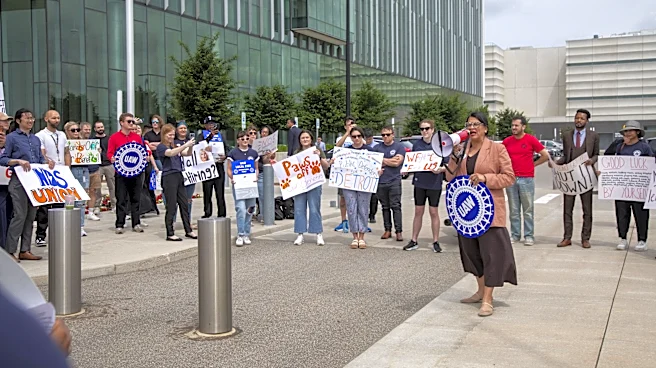
product supply workforce, including contractors, by 20-30% by 2030. The company has already implemented unattended operations at over 15 sites worldwide and plans further adoption by 2027. P&G's chief product supply officer, Luc Reynaert, stated that robotics, automation, and digitalization could boost productivity by up to 20% by 2030. This move is driven by a corporate goal to generate up to $10 billion in productivity savings between the 2027 and 2030 financial years, in response to rising costs for raw materials, energy, and freight. Shawn Fain, president of the United Auto Workers (UAW) in the United States, has described the replacement of factory workers by robots as a 'profound threat.'
Why It's Important?
This expansion of automation by a major consumer goods company like P&G signals a significant shift in the U.S. manufacturing landscape, potentially leading to substantial job losses for American workers. While P&G aims for productivity gains and cost savings, the reduction of its global product supply workforce by up to 30% will directly impact thousands of employees, including those in the U.S. The UAW's president, Shawn Fain, has voiced concerns about this trend, highlighting the broader implications for industrial employment and the future of the American workforce. The move could exacerbate anxieties about job security in manufacturing sectors already facing pressures from technological advancements. Economists are also questioning whether the investment in automation and AI is truly delivering the anticipated productivity gains or simply reducing headcount, which could have long-term economic consequences for labor markets.
What's Next?
P&G plans to continue the rollout of its Supply 3.0 program, with further adoption of unattended operations scheduled for 2027 and the workforce reduction program extending through 2030. This will likely lead to ongoing discussions and potential conflicts between corporations seeking efficiency through automation and labor unions advocating for job protection and worker retraining. The debate over the true productivity benefits of AI and automation versus the social cost of job displacement is expected to intensify. Companies may face increased pressure to provide retraining and redeployment opportunities for affected employees, while unions like the UAW will likely continue to push for policies that protect workers from the negative impacts of technological advancements. The long-term impact on the U.S. manufacturing workforce and the broader economy will depend on how these competing interests are managed.
Beyond the Headlines
The widespread adoption of 'dark-shift' manufacturing by companies like P&G raises profound ethical and societal questions about the future of work. While automation can improve efficiency and reduce costs, the potential for mass job displacement could lead to significant social unrest and economic inequality. The shift also highlights the evolving skill requirements in manufacturing, moving away from manual labor towards expertise in engineering, digital systems, and equipment maintenance. This necessitates a reevaluation of educational and vocational training programs to prepare the workforce for these new demands. The concerns raised by UAW President Shawn Fain underscore the tension between corporate profitability and the well-being of the working class, potentially fueling broader debates about the role of technology in society and the need for policies that ensure a just transition for workers in an increasingly automated world.