




What's Happening?
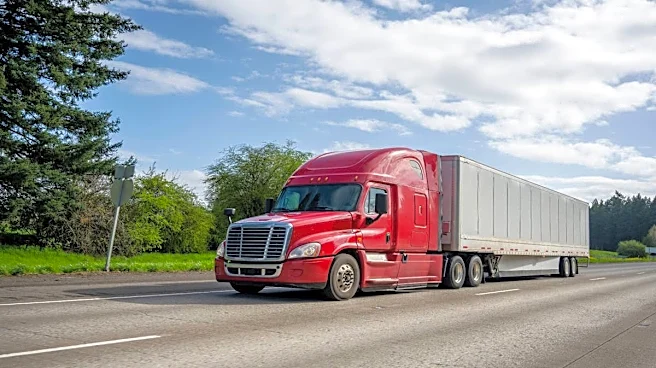
Smith System has introduced its comprehensive Driver Risk Management (DRM) program, a closed-loop approach designed to improve driver behavior and reduce crashes in commercial fleets. The program is built around the 'Smith5Keys' and integrates training,
monitoring, and analytics into a unified system. According to Derek Dunaway, CEO of Smith System, while technology can observe behavior, it doesn't change it; effective change requires coaching. The DRM program aims to bridge the gap between data-driven insights from telematics and in-cab cameras, and the actual modification of driver habits. Despite significant investments in safety technology by fleets, motor vehicle crashes remain a leading cause of workplace fatalities, costing U.S. employers an estimated $72.2 billion annually. The company states that over 90% of crashes are due to driver decisions, highlighting that driver risk is primarily a behavioral issue, not a hardware problem. The DRM program seeks to address this by providing a common language for safe driving that connects observed risk signals to targeted coaching.
Why It's Important?
This initiative is important for the U.S. trucking and logistics industries, which face substantial financial and human costs due to preventable accidents. The current disconnect between safety technology and actual behavior change has led to stagnant improvements in crash rates and associated expenses. By offering a fully managed program that translates data into actionable coaching based on the Smith5Keys, Smith System aims to provide a solution that can significantly reduce operational costs and improve safety records for fleets of all sizes. A successful implementation of such a program could lead to a decrease in insurance premiums, lower vehicle repair costs, and a reduction in legal liabilities for trucking companies. Furthermore, by enhancing driver safety, the program could contribute to a safer working environment for commercial drivers, potentially improving driver retention and overall industry reputation. The focus on behavioral change rather than just data collection addresses a critical gap in current fleet safety strategies, offering a more holistic approach to risk management.
What's Next?
The Smith System DRM program is now available to fleets of all sizes, indicating a push for widespread adoption across the U.S. commercial transportation sector. Companies are expected to evaluate and potentially integrate this program into their existing safety protocols. The program's continuous, closed-loop nature suggests ongoing refinement and adaptation based on real-world data and driver performance. Future developments will likely involve further integration with various telematics and monitoring systems to enhance its effectiveness. The company will likely highlight case studies and measurable results, such as the reported 38% reduction in preventable accidents and a 2.9x to 9.5x return on investment observed in an enterprise deployment, to encourage broader uptake. The success of this program could set a new standard for driver risk management, prompting other technology providers and training organizations to develop similar integrated solutions.
Beyond the Headlines
The introduction of the Smith System DRM program underscores a broader shift in how industries are approaching safety—moving beyond mere compliance and data collection to proactive behavioral modification. This reflects a growing recognition that human factors are paramount in preventing accidents, especially in high-risk occupations like commercial driving. The program's emphasis on a 'common language' for safety highlights the importance of clear communication and consistent messaging in training and coaching, which can foster a stronger safety culture within organizations. Ethically, this approach places a greater responsibility on companies to not only identify risky behaviors but also to actively intervene and provide the necessary tools and training for improvement. This could lead to a more accountable and safety-conscious workforce, potentially influencing regulatory bodies to consider mandating similar comprehensive driver risk management programs in the future. The long-term impact could extend to public safety, as safer commercial fleets contribute to fewer accidents on U.S. roads.