




What's Happening?
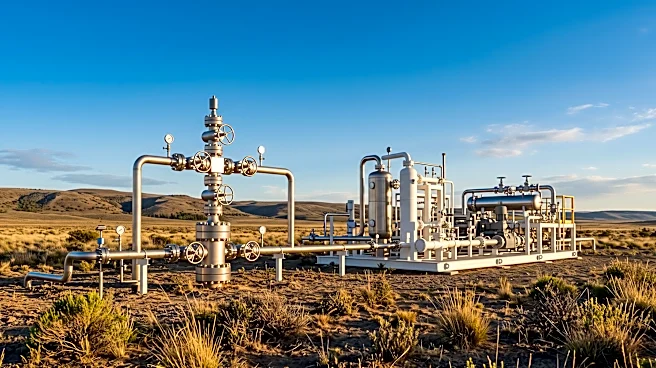
The Argentina-Texas Chamber of Commerce (ATCC) is organizing an Energy Trade Mission to Neuquén, Argentina, in October. This mission aims to connect U.S. energy companies, investors, and technology providers with operators and buyers in Argentina's Vaca
Muerta shale region. The event, scheduled from October 18-22, will run concurrently with AOG Patagonia 2026 and will feature a business-to-business matchmaking program. This program is designed to facilitate individual 15-minute meetings between U.S. and Argentine companies, based on submitted profiles detailing capabilities, certifications, geographic reach, business priorities, and procurement needs. Discussions during these meetings are expected to cover procurement, partnerships, joint ventures, supply-chain integration, and investment opportunities. The ATCC highlights that the continued development of Vaca Muerta is generating demand beyond traditional oilfield services, extending to infrastructure, financing, logistics, industrial equipment, and digital technologies. The broader mission will also address financing for large-scale Vaca Muerta energy projects, international capital, risk-mitigation tools, industrial capabilities, and digital transformation.
Why It's Important?
This trade mission is significant for the U.S. energy sector and its international investment strategies. The Vaca Muerta shale formation in Argentina represents one of the largest unconventional oil and gas reserves globally, offering substantial opportunities for U.S. companies to expand their operations and technological expertise abroad. Increased U.S. investment and partnership in Vaca Muerta could bolster energy security for both nations, diversify global energy supplies, and create new revenue streams for American businesses. For Argentina, attracting U.S. capital and technology is crucial for the efficient and sustainable development of its shale resources, which can drive economic growth and job creation. The focus on areas beyond traditional oilfield services, such as infrastructure and digital technologies, indicates a broader economic impact, potentially benefiting a wider range of U.S. industries. However, potential challenges include navigating Argentina's economic and regulatory landscape, as well as managing the environmental implications of shale development. The success of these partnerships could set a precedent for future U.S. engagement in Latin American energy markets.
What's Next?
Applications for the ATCC matchmaking program are open until September 30, indicating an immediate window for U.S. companies to participate. Following the mission in October, successful matchmaking efforts are expected to lead to concrete negotiations and agreements on procurement, partnerships, joint ventures, and investments. The discussions on financing large-scale projects and risk-mitigation tools suggest that the mission aims to lay the groundwork for substantial, long-term commitments. The outcomes of these meetings will likely determine the extent of U.S. involvement in the Vaca Muerta region in the coming years. Potential reactions from stakeholders could include increased interest from other international energy players, as well as scrutiny from environmental groups regarding the expansion of shale gas operations. The mission's success could also influence future trade policies and diplomatic relations between the U.S. and Argentina, particularly in the energy sector.
Beyond the Headlines
The ATCC's trade mission to Vaca Muerta extends beyond mere business transactions, touching upon deeper geopolitical and economic implications. The U.S.'s engagement in Argentina's energy sector can be seen as part of a broader strategy to strengthen economic ties in the Western Hemisphere and potentially counter the influence of other global powers in the region. Ethically, the development of shale resources raises environmental concerns, and the mission's focus on digital transformation and sustainable practices will be crucial for responsible resource extraction. Legally, any agreements forged will need to navigate both U.S. and Argentine regulatory frameworks, including those related to environmental protection and labor standards. Culturally, increased collaboration could foster greater understanding and exchange between the two nations' business communities. The long-term shift could see Argentina emerge as a more significant player in global energy markets, with U.S. companies playing a pivotal role in its development, thereby influencing regional energy dynamics and potentially impacting global energy prices and supply chains.