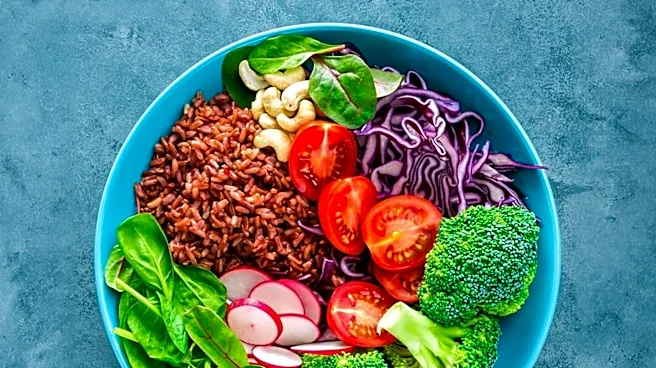







What's Happening?
The low-FODMAP diet is a temporary dietary strategy designed to alleviate symptoms such as bloating and discomfort, particularly for individuals with irritable bowel syndrome (IBS). This approach focuses on limiting foods high in FODMAPs, which are fermentable
carbohydrates that can cause digestive issues in some people. The diet is structured in three distinct phases: elimination, reintroduction, and personalization. During the elimination phase, high-FODMAP foods are restricted for a period of 4-6 weeks to observe if symptoms improve. Following this, the reintroduction phase involves systematically adding back different FODMAP groups one at a time to identify specific personal triggers. The final personalization phase allows individuals to maintain a varied diet, avoiding only those foods that have been identified as problematic. This dietary intervention is supported by research and is recommended by the American Gastroenterological Association as an evidence-based approach for IBS management. Common low-FODMAP foods include rice, oats in moderation, firm bananas, carrots, spinach, and lactose-free dairy, while high-FODMAP foods often include onion, garlic, wheat, beans, apples, stone fruit, and regular milk.
Why It's Important?
The low-FODMAP diet offers a structured and evidence-based method for individuals in the U.S. suffering from IBS to identify and manage their digestive symptoms. Its importance lies in providing a clear pathway to symptom relief, which can significantly improve the quality of life for those affected by chronic gastrointestinal distress. By systematically identifying trigger foods, individuals can avoid unnecessary long-term dietary restrictions, ensuring better nutritional adequacy and dietary diversity. This approach empowers patients to understand their bodies better and make informed food choices, reducing reliance on broad, often ineffective, dietary exclusions. The diet's endorsement by major medical organizations like the American Gastroenterological Association underscores its credibility and effectiveness, making it a valuable tool in clinical practice for gastroenterologists and dietitians across the U.S. Furthermore, its application in specialized contexts, such as pediatric cancer care, highlights its versatility and potential to manage chemotherapy-induced gastrointestinal distress, albeit with extreme caution to protect growth and caloric intake in vulnerable populations.
What's Next?
Individuals considering the low-FODMAP diet are advised to consult with a registered dietitian or healthcare professional. This professional guidance is crucial for navigating the diet's phases effectively, ensuring nutritional completeness, and accurately identifying personal triggers. The next steps typically involve a structured implementation of the elimination phase, followed by careful reintroduction under supervision. As individuals progress, they will work towards a personalized dietary plan that minimizes symptoms while maximizing food variety. Ongoing research may further refine food lists and serving sizes, potentially leading to more precise recommendations. Additionally, increased awareness and education among healthcare providers and the public will likely lead to broader adoption and more effective application of this dietary strategy for IBS management across the U.S. The focus will remain on transitioning from the temporary elimination phase to a sustainable, personalized eating pattern.
Beyond the Headlines
Beyond its direct application for IBS, the low-FODMAP diet highlights a broader shift in understanding the intricate relationship between diet, gut health, and overall well-being. This approach underscores the concept of personalized nutrition, where dietary recommendations are tailored to individual physiological responses rather than generic guidelines. It also brings to light the significant impact of specific carbohydrate types on gut microbiota and digestive function, moving beyond simpler notions of 'good' or 'bad' foods. The diet's temporary nature challenges the common perception of restrictive diets as long-term solutions, emphasizing instead a diagnostic and educational process. This paradigm encourages a more mindful approach to eating, fostering a deeper connection between food intake and bodily sensations. Furthermore, the careful application of this diet in sensitive populations, such as pediatric cancer patients, raises ethical considerations regarding nutritional adequacy and growth, underscoring the need for highly specialized medical oversight in such cases.