




What's Happening?
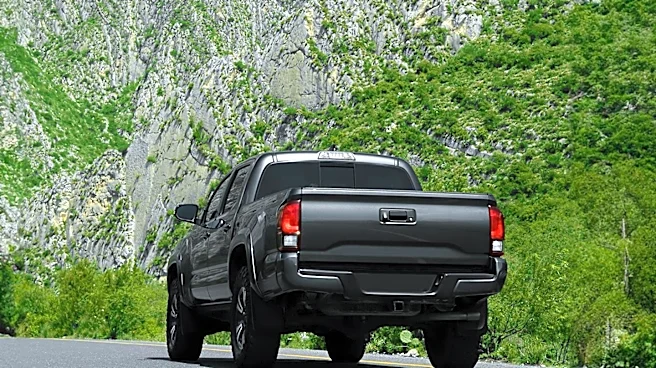
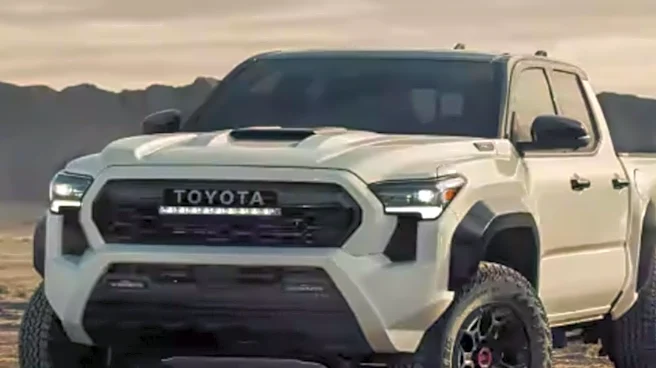
Toyota Motor Corp. has announced the relocation of its Tacoma truck production from a plant in Mexico to its facility in San Antonio, Texas. This move is part of a $3.6 billion investment aimed at expanding the Texas plant, which will include the addition
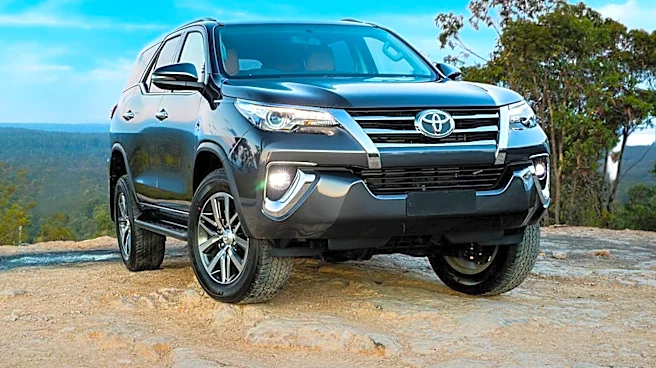
of a second assembly line. The expansion is expected to create approximately 2,000 new jobs by 2030. This decision comes amid stalled negotiations between the U.S. and Mexico over a North American free trade agreement. The San Antonio plant currently manufactures full-size pickups and SUVs, and the new investment will enhance its capacity to meet growing demand for the Tacoma model.
Why It's Important?
The shift of production from Mexico to Texas is significant for several reasons. It highlights Toyota's strategic focus on bolstering its manufacturing capabilities within the United States, which can lead to increased economic activity and job creation in the region. This move also reflects broader geopolitical and economic considerations, as companies navigate trade agreements and seek to mitigate risks associated with international production. By investing in U.S. facilities, Toyota is positioning itself to better serve the North American market while potentially benefiting from favorable trade policies and incentives. The expansion could also influence other automakers to reevaluate their production strategies in light of changing trade dynamics.
What's Next?
As Toyota implements its expansion plans, the company will likely focus on workforce development and training to support the new jobs created in San Antonio. The transition of production from Mexico to Texas will require careful coordination to ensure minimal disruption to supply chains and production schedules. Additionally, the expansion may prompt discussions among policymakers and industry leaders about the future of automotive manufacturing in the U.S., particularly in the context of trade agreements and economic policies. Toyota's investment could serve as a catalyst for further investments in the region, potentially attracting other manufacturers and suppliers to Texas.