







What's Happening?
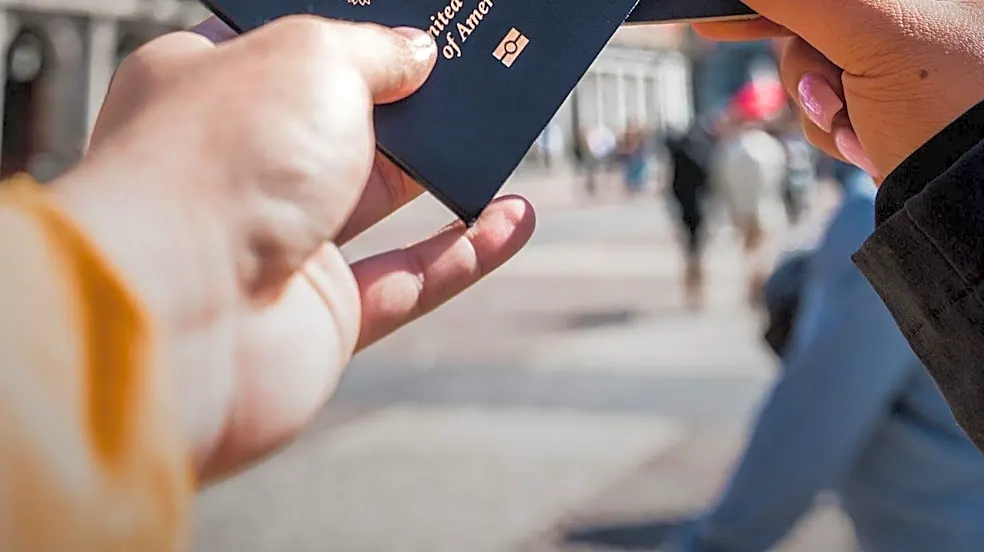
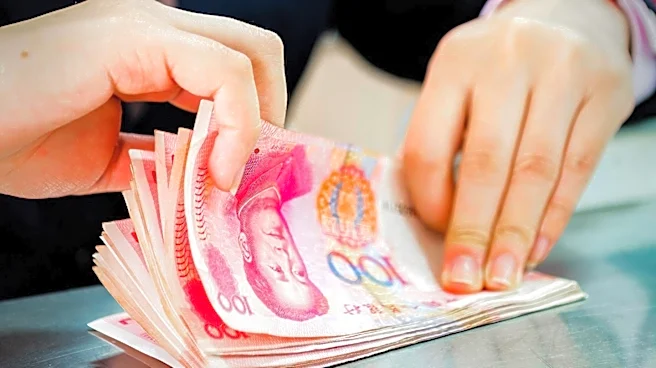
U.S. travelers planning a trip to China need to prepare for a mix of cash and digital payment methods. While QR code payments via apps like Alipay and WeChat Pay are highly prevalent, having sufficient Chinese Yuan (cash) is still recommended, especially
for small shops, local markets, or in case of digital payment system malfunctions. The suggested cash reserves for a solo traveler range from 500–800 yuan for a 4-day trip, 800–1,200 yuan for 6 days, and 1,200–2,000 yuan for 8 days. These figures are guidelines for cash reserves, not the total travel budget. Common expenses include food, transportation (subway, bus, taxi), tourist attraction entrance fees, and shopping. Travelers are advised to exchange for small bills, store cash in multiple locations, and prepare backup payment methods like credit or debit cards, checking international usage and fees beforehand. Setting aside an emergency fund of 10-20% of the planned budget is also recommended.
Why It's Important?
This information is crucial for U.S. travelers to China, as it addresses the significant difference in payment ecosystems compared to the U.S. where credit cards and cash are more universally accepted. The dominance of QR code payments in China means that U.S. visitors must adapt to avoid inconvenience or being unable to complete transactions. Understanding the need for both digital payment app setup (Alipay, WeChat Pay) and a strategic amount of cash ensures a smoother travel experience. This guidance helps prevent potential financial hurdles, such as being unable to pay for goods or services, which could lead to frustration and impact the overall trip quality. For U.S. financial institutions, this highlights the ongoing challenge of international interoperability and the need to educate customers on diverse global payment practices. It also underscores the importance of robust international banking services and clear communication regarding foreign transaction fees.
What's Next?
U.S. travelers to China should prioritize setting up and testing Alipay and WeChat Pay accounts with compatible cards before their departure. They should also plan to exchange a reasonable amount of Chinese Yuan into small denominations upon arrival or before leaving the U.S. It is advisable to research the specific payment methods accepted at planned destinations within China, as payment practices can vary by region and establishment. Travelers should also inform their banks about their travel plans to prevent credit or debit card issues and inquire about international transaction fees. Continuous monitoring of travel advisories and local payment trends will also be beneficial, as China's digital payment landscape can evolve.
Beyond the Headlines
The reliance on digital payments in China, as highlighted by these guidelines, reflects a broader global shift towards cashless societies, with significant implications for privacy, financial inclusion, and technological infrastructure. For U.S. travelers, navigating this system offers a glimpse into a future where physical currency may become less central. This also raises questions about data security and the extent to which personal financial information is collected and used in different countries. The recommendation to carry cash as a backup underscores the vulnerabilities of purely digital systems, such as internet outages or app malfunctions. Furthermore, the need for specific app setups for international visitors points to potential barriers for tourism and the ongoing efforts by countries to integrate foreign payment systems into their domestic digital economies, balancing convenience with national financial regulations and data control.