



What's Happening?
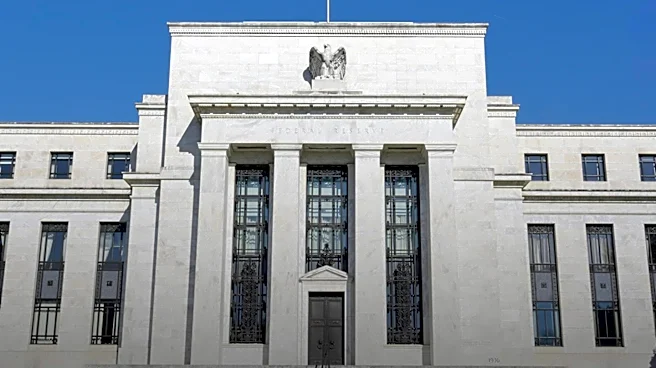
US Federal Reserve Vice Chair Philip N Jefferson has stated that the trajectory of inflation will be the most crucial factor in determining future interest rate decisions. Speaking at the University of California, San Diego Economic Roundtable, Jefferson emphasized
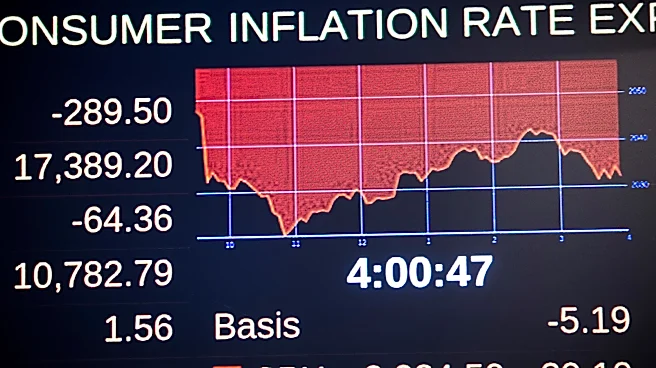
that price pressures remain elevated despite signs of stability in the American economy and labor market. The annual personal consumption expenditures (PCE) inflation rate reached 3.6 percent in September, with core PCE inflation, excluding food and energy, at 3.1 percent. These figures remain well above the Federal Reserve's 2 percent target. Jefferson expressed concern that higher energy prices could lead to a broader, persistent rise in inflation, impacting sectors like airfares and transportation, while strong demand for new technologies also contributes to price increases for goods such as memory chips. He noted that October's inflation data aligns with these persistent price pressures. Despite these inflation concerns, the labor market has stabilized, with the unemployment rate at 4.1 percent in October, a level Jefferson considers consistent with maximum employment. The US economy has also shown momentum, with GDP expanding at an annualized rate of 3.4 percent in the third quarter.
Why It's Important?
The Federal Reserve's focus on inflation as the primary determinant for monetary policy has significant implications for American households and businesses. Persistent inflation above the 2 percent target means that the cost of living continues to rise, eroding purchasing power for consumers. For businesses, higher input costs, particularly from energy and technology components, can squeeze profit margins or lead to increased prices for goods and services, perpetuating the inflationary cycle. The potential for continued interest rate adjustments directly impacts borrowing costs for mortgages, auto loans, and business investments, making credit more expensive. This environment could slow economic growth if businesses defer expansion plans and consumers reduce spending due to higher debt servicing costs. The Fed's cautious stance, prioritizing inflation control even amidst a stable labor market and economic growth, indicates a commitment to long-term price stability, which is crucial for sustained economic health but may entail short-term economic tightening.
What's Next?
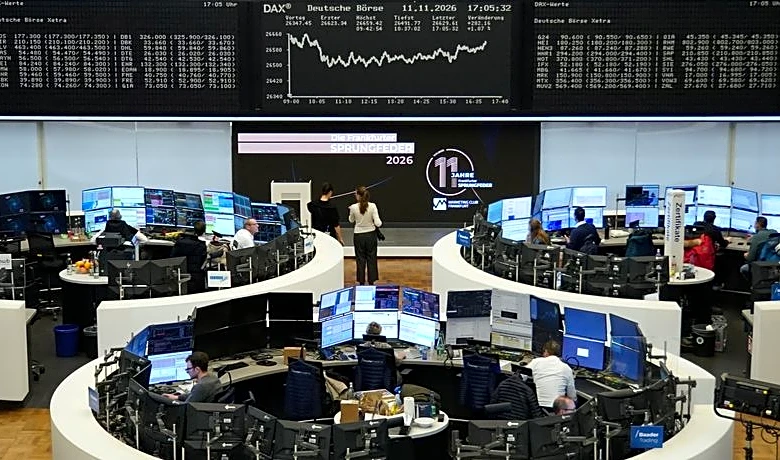
Future policy adjustments by the Federal Reserve will be determined by a careful examination of incoming data, the evolving economic outlook, and the balance of risks, with inflation trends being the most important signal. Given that inflation data for October remains consistent with price pressures staying well above the Fed’s target, and projections from the Cleveland Fed's real-time model indicate PCE rates could reach 3.77 percent in October and 3.82 percent in November, further interest rate hikes are a strong possibility. Futures markets are already pricing in a quarter-point hike at the Federal Open Market Committee's (FOMC) December 8-9 meeting. Policymakers will face a procedural challenge as the November CPI report will not be available until December 10, after the FOMC vote. This means decisions may be made without the latest consumer price data. The Fed's continued vigilance on inflation suggests that any signs of sustained price moderation would be necessary before a shift in monetary policy stance is considered.
Beyond the Headlines
The Federal Reserve's current approach highlights a critical tension between managing inflation and supporting economic growth. While the economy shows momentum and the labor market is stable, the persistent inflation suggests underlying structural issues or strong demand that monetary policy alone may struggle to fully address without broader economic impacts. The emphasis on energy prices and demand for new technologies points to supply-side constraints and evolving consumption patterns as key drivers of inflation, rather than solely demand-driven factors. This situation could lead to a prolonged period of higher interest rates, potentially recalibrating investment strategies across various sectors. Furthermore, the Fed's focus on PCE inflation, which measures what consumers are actually paying for goods and services, provides a more comprehensive view of inflationary pressures compared to other metrics, underscoring the direct impact on household budgets and living standards. The long-term implications could include a re-evaluation of global supply chains and energy policies to mitigate future inflationary shocks.