





What's Happening?
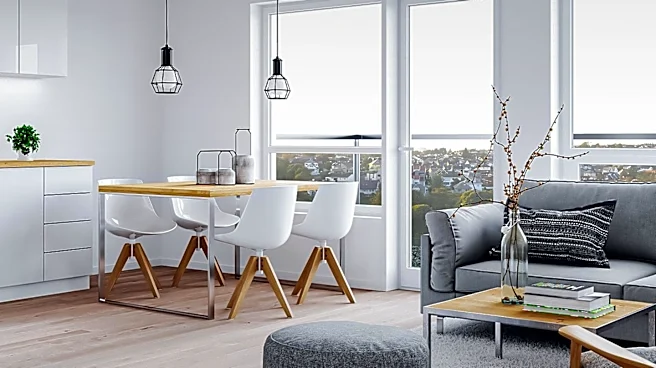
Scandinavian minimalism focuses on creating living spaces that are calm, functional, and welcoming through the use of simple forms, natural materials, and thoughtful space utilization. This design philosophy prioritizes an uncluttered calm, favoring light
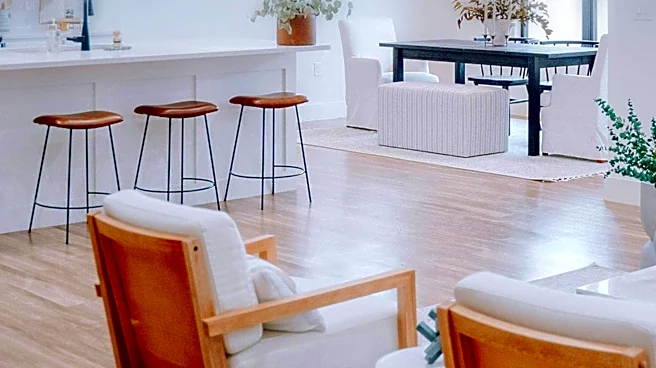
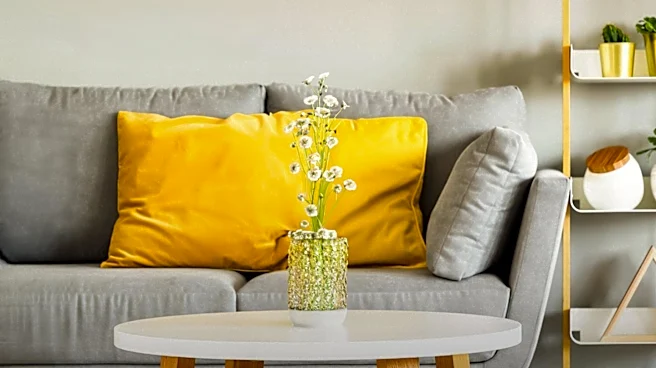
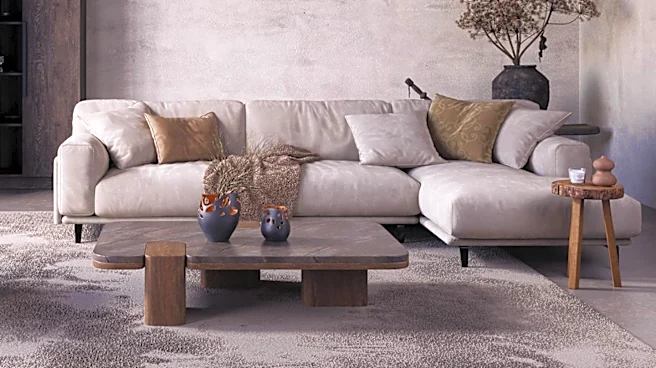
woods, soft neutral color palettes, and abundant natural light. Key elements include light-fabric sofas, light-wood flooring, minimal coffee tables, and textured wool rugs. The style is particularly well-suited for compact urban dwellings, aiming to provide warmth without visual heaviness. While often confused with Nordic design, Scandinavian interiors are characterized by their emphasis on simplicity and refinement, typically employing neutral color schemes like white, beige, and soft grey to create bright, open environments. Every item in a Scandinavian minimalist space is intended to serve a purpose, contributing to a clean aesthetic.
Why It's Important?
The growing popularity of Scandinavian minimalism in the U.S. reflects a broader societal shift towards decluttering and intentional living, impacting consumer choices in home furnishings and interior design. This design trend offers a practical and aesthetically pleasing solution for urban residents dealing with smaller living spaces, promoting functionality and a sense of calm amidst busy lifestyles. For the U.S. furniture and home decor industries, this translates into increased demand for products that align with minimalist principles, such as light-colored woods, simple designs, and natural textiles. Businesses that adapt their offerings to include these elements stand to gain market share, while those focused on more ornate or maximalist styles may see reduced interest. The emphasis on natural materials also has implications for sustainable sourcing and manufacturing practices within the industry.
What's Next?
The continued influence of Scandinavian minimalism is likely to drive further innovation in furniture design and material science, with a focus on sustainable and durable options. Manufacturers may explore new ways to incorporate light woods and natural fibers into their products, potentially leading to advancements in eco-friendly production methods. Retailers are expected to expand their collections to feature more minimalist and functional pieces, catering to consumers seeking to create serene and efficient home environments. Interior designers will continue to integrate these principles into their projects, offering clients solutions that combine aesthetic appeal with practical utility. Educational resources and design platforms will likely highlight Scandinavian minimalist techniques, further embedding this style into mainstream U.S. home design.
Beyond the Headlines
Beyond its aesthetic appeal, Scandinavian minimalism embodies a cultural philosophy that prioritizes well-being and a balanced lifestyle. The emphasis on simplicity and functionality can reduce consumerism by encouraging thoughtful purchases and discouraging excessive accumulation of possessions. This approach can lead to a more mindful consumption pattern, where quality and purpose outweigh quantity. The creation of calm and uncluttered home environments can also have psychological benefits, reducing stress and promoting mental clarity. As U.S. society increasingly grapples with issues of overconsumption and mental health, the underlying principles of Scandinavian minimalism offer a compelling model for creating living spaces that support both individual well-being and environmental sustainability.