




What's Happening?
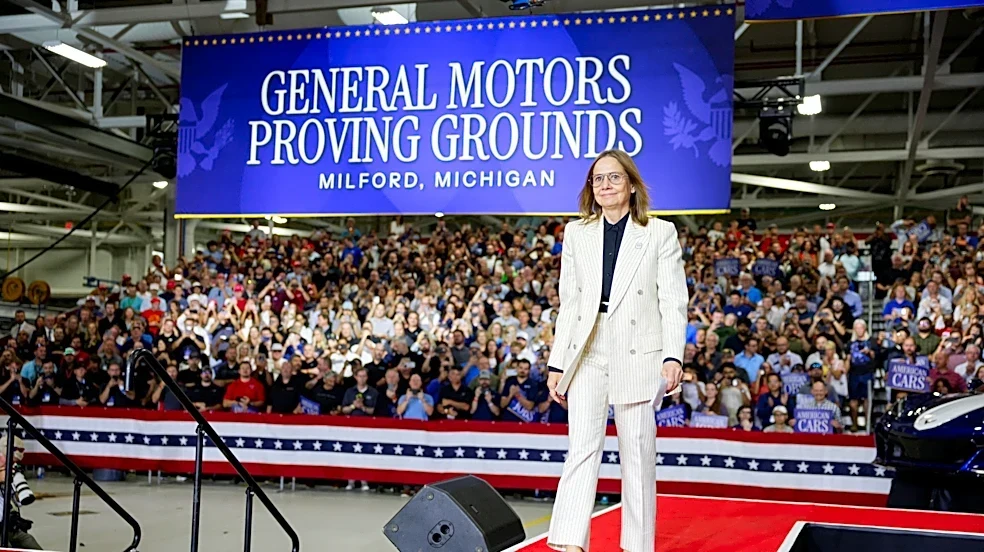
General Motors (GM) has outlined an ambitious technological roadmap, integrating artificial intelligence (AI) across its product development and vehicle capabilities. The company plans to introduce enhanced OnStar AI assistant capabilities starting with
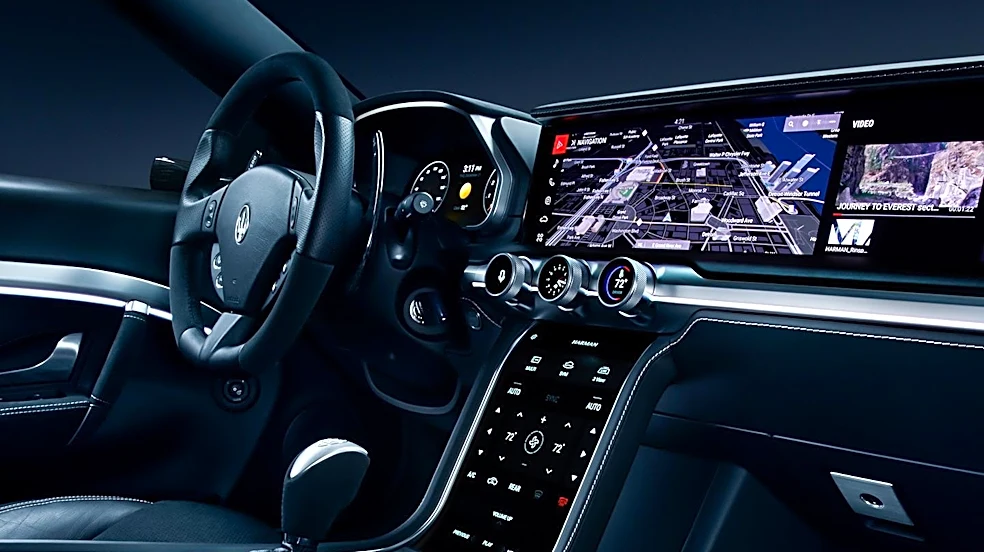
the 2027 Cadillac Lyriq, which will then roll out to other models and can be retrofitted to some existing GM cars. This AI assistant aims to transform the car into an intelligent partner, integrating calendars and learning from user interactions. Furthermore, GM intends to launch autonomous driving features, beginning with the 2028 Cadillac Escalade iQ/iQL, with a vision for vehicles to eventually drive themselves anywhere, potentially without a driver in 'mission mode.' The company also announced that AI will enable it to halve new-vehicle development time, reducing it from four to five years down to just two years from concept to production, by utilizing virtual modeling and concurrent processes. This strategy also includes a new central compute platform, debuting in the 2028 Escalade iQ/iQL, which will eventually expand to all models.
Why It's Important?
GM's comprehensive technology strategy signifies a major shift in the automotive industry, emphasizing software-defined vehicles and AI-driven development. For the U.S. automotive market, this could lead to faster innovation cycles, bringing new models and features to consumers more rapidly. The enhanced OnStar AI assistant aims to deepen customer engagement and loyalty by offering personalized in-car experiences, potentially setting a new standard for vehicle-user interaction. The rollout of advanced autonomous driving capabilities, starting with luxury models and expanding across the lineup, could redefine personal mobility and transportation safety, although regulatory and public acceptance challenges remain. The ability to cut development time in half could give GM a significant competitive advantage, allowing it to respond more quickly to market trends and technological advancements, impacting its market share and profitability against both traditional rivals and emerging tech-focused automotive companies.
What's Next?
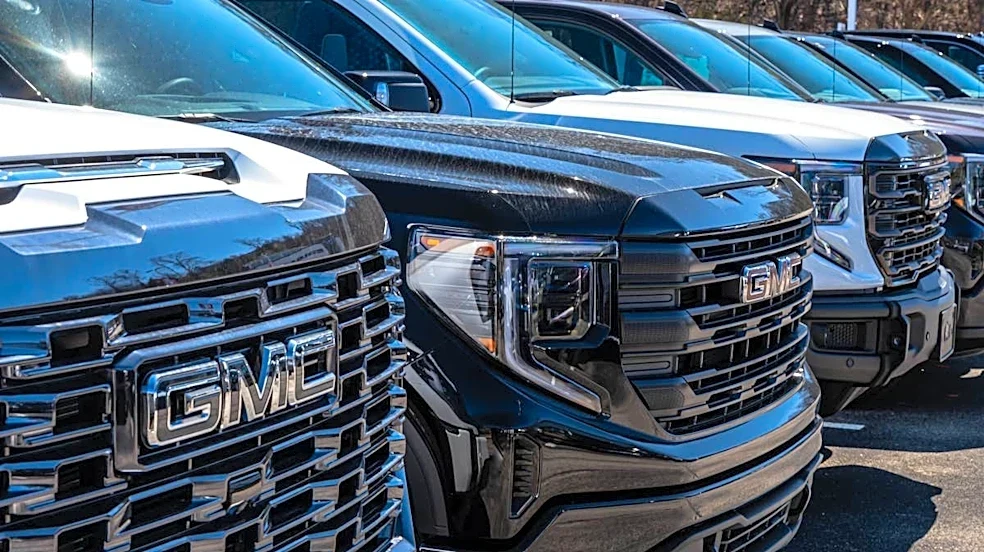
Over the next few years, GM will progressively roll out its new AI-powered OnStar features, starting with the 2027 Cadillac Lyriq, followed by other models like the Chevy Silverado and GMC Sierra. The central compute platform will debut in the 2028 Cadillac Escalade iQ/iQL, with subsequent integration into other full-size SUVs and light-duty pickups. The autonomous driving system will initially be available on highways and then expand to other roads. GM's product development teams will be implementing the new AI-driven processes to achieve the targeted two-year development cycle for new vehicles. The company will also focus on expanding its fourth-generation EV architecture, featuring new LMR batteries and more efficient designs. Stakeholders, including consumers, investors, and competitors, will closely monitor the successful implementation and performance of these advanced technologies.
Beyond the Headlines
GM's aggressive push into AI and autonomous driving extends beyond mere product features; it represents a fundamental re-imagining of the automotive value chain. The shift to a central compute platform and over-the-air updates transforms vehicles from static hardware into evolving software platforms, enabling continuous improvements and new revenue streams through subscription services. This also raises significant ethical and legal questions surrounding data privacy, as enhanced OnStar AI will collect more personal data, despite GM's assurances against selling it. The long-term implications include a potential redefinition of vehicle ownership, where cars become intelligent, connected nodes in a broader digital ecosystem. Furthermore, the accelerated development cycles could intensify competition, forcing other automakers to adopt similar AI-driven strategies or risk falling behind in the race for technological leadership and market relevance.