






What's Happening?
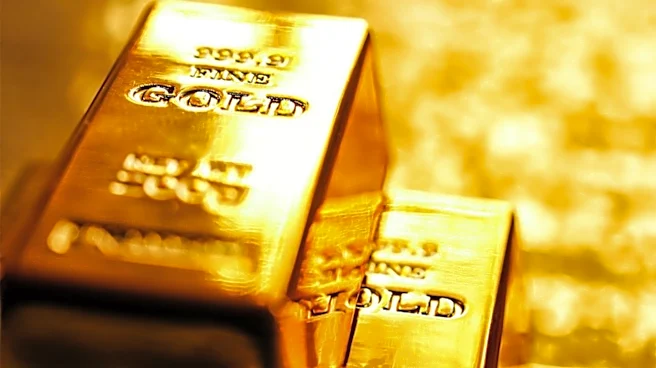
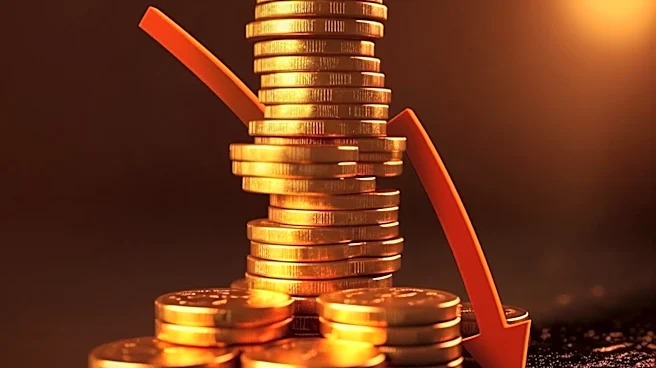
Gold prices have experienced a 29% correction from their all-time high of $5,589 per ounce in January 2026, primarily due to a stronger US dollar and shifting macroeconomic conditions. The price of gold recently fell below the $4,000 mark, finding support
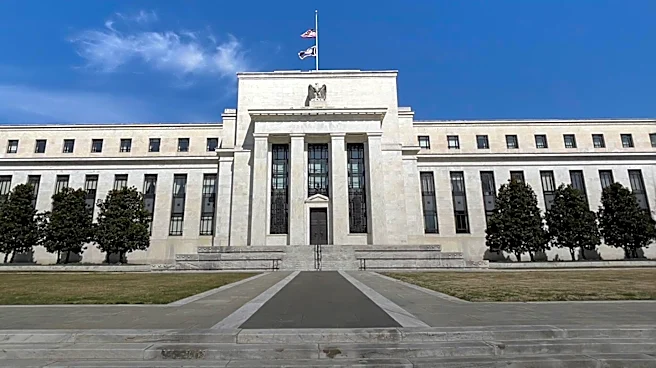
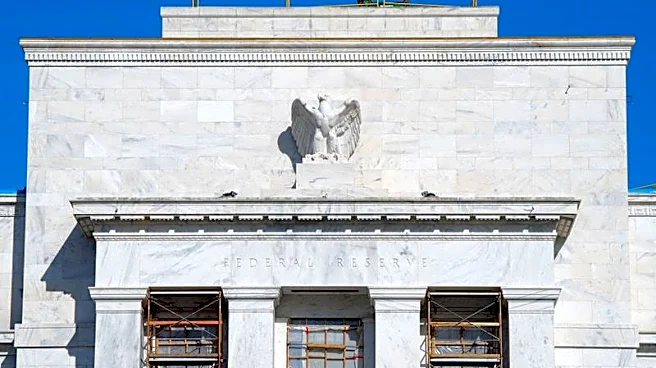
in the $3,960–$3,970 range. The Federal Reserve's hawkish stance, driven by rising inflation, has contributed to the decline, as higher interest rates make gold less attractive compared to yielding assets. Despite the correction, central banks continue to buy gold as a hedge against currency devaluation and global debt.
Why It's Important?
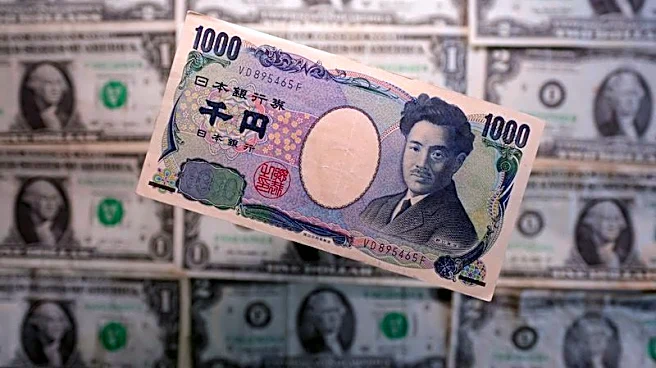
The significant drop in gold prices reflects broader economic trends, including the impact of monetary policy on non-yielding assets. As the US dollar strengthens, gold becomes more expensive for holders of other currencies, reducing demand. The ongoing central bank purchases indicate a continued belief in gold's long-term value as a safe-haven asset. This situation highlights the complex interplay between currency strength, inflation expectations, and asset allocation strategies in global markets.
What's Next?
Market participants will closely watch the Federal Reserve's actions and any changes in inflation dynamics, as these will influence gold's attractiveness as an investment. The potential for further interest rate hikes could continue to pressure gold prices, while geopolitical developments may also impact safe-haven demand. Investors will need to assess the balance between short-term market conditions and long-term strategic considerations when evaluating gold investments.