




What's Happening?
Real estate professionals across the U.S. are increasingly identifying outdoor living spaces as a top feature that significantly influences home sales. According to real estate experts, these spaces rank closely behind upgraded kitchens in terms of buyer
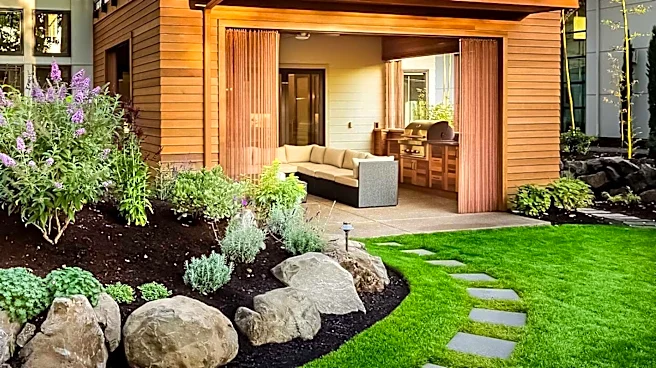
appeal. The demand for outdoor living areas is particularly pronounced in warmer regions, such as California and Florida, where the integration of indoor and outdoor environments is more common. Features like patios, updated decks, hot tubs, landscaping, outdoor kitchens, and covered sitting areas are highly sought after. These elements are seen as extensions of the home's living area, providing spaces for relaxation, entertainment, and a connection to nature. The versatility of these spaces, allowing for year-round use and various activities, contributes to their high value in the current housing market.
Why It's Important?
The rising importance of outdoor living spaces reflects a broader shift in consumer preferences and lifestyle priorities within the U.S. housing market. Buyers are increasingly looking for homes that offer more than just interior comfort; they desire properties that provide a holistic living experience, including opportunities for outdoor recreation and relaxation. This trend impacts home valuation, as properties with well-designed and functional outdoor spaces can command higher prices and sell more quickly. For homeowners, investing in these areas can yield significant returns, making them a strategic upgrade for those looking to sell. The emphasis on outdoor living also influences design and construction trends, with a greater focus on creating seamless transitions between indoor and outdoor environments and incorporating features that enhance usability and aesthetic appeal.
What's Next?
The trend of prioritizing outdoor living spaces is expected to continue shaping the U.S. real estate market. Homebuyers will likely maintain their demand for properties that offer well-appointed outdoor areas, pushing developers and sellers to further innovate in this segment. We may see an increase in the integration of smart home technology into outdoor spaces, such as automated lighting, climate control, and entertainment systems. Additionally, there could be a greater focus on sustainable and eco-friendly outdoor designs, incorporating native plants, water-efficient landscaping, and durable, environmentally conscious materials. Real estate agents will continue to highlight these features in listings, and home improvement companies will likely see sustained demand for services related to outdoor renovations and enhancements.
Beyond the Headlines
The growing emphasis on outdoor living spaces extends beyond mere aesthetics and property value, touching upon deeper societal and cultural shifts. It reflects a desire for increased well-being, a connection to nature, and a more balanced lifestyle, especially in the wake of recent global events that have highlighted the importance of home as a sanctuary. These spaces offer psychological benefits, providing areas for stress relief, mental rejuvenation, and physical activity. They also foster social connections, serving as gathering places for family and friends. The trend underscores a broader appreciation for the environment and a move towards creating more functional and enjoyable home environments that cater to diverse needs and preferences, ultimately redefining the concept of 'home' to include its exterior dimensions as integral to daily life.