



What's Happening?
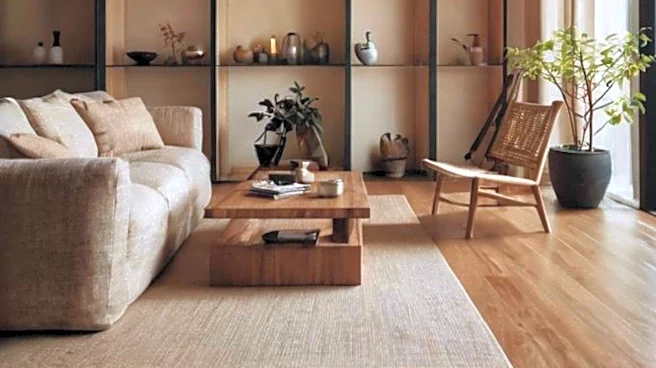
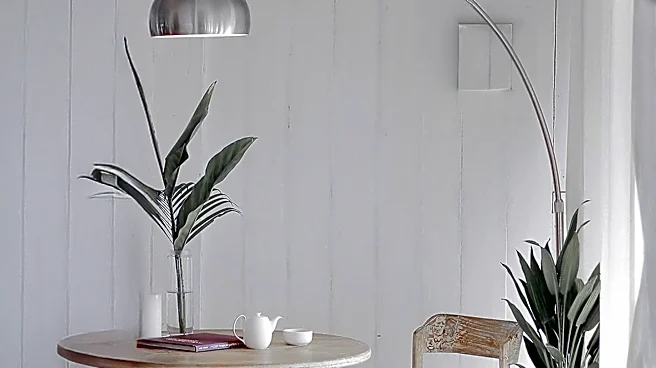
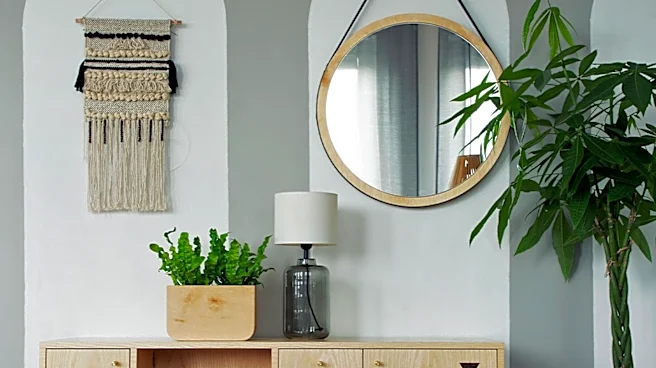
Japandi style, a fusion of Japanese minimalism and Scandinavian comfort, is gaining prominence in interior design. This aesthetic emphasizes calm, simple lines, and a muted color palette, including warm off-white, greige, and taupe, complemented by natural
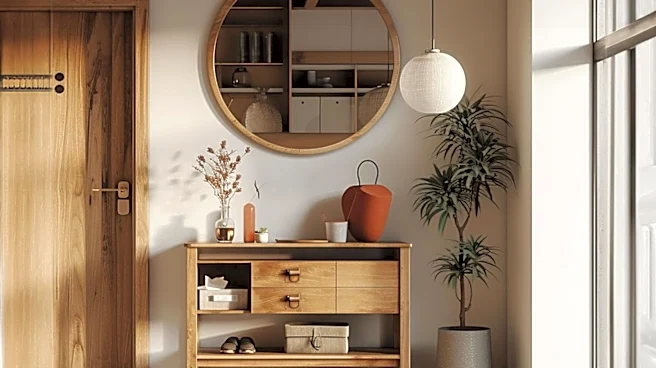
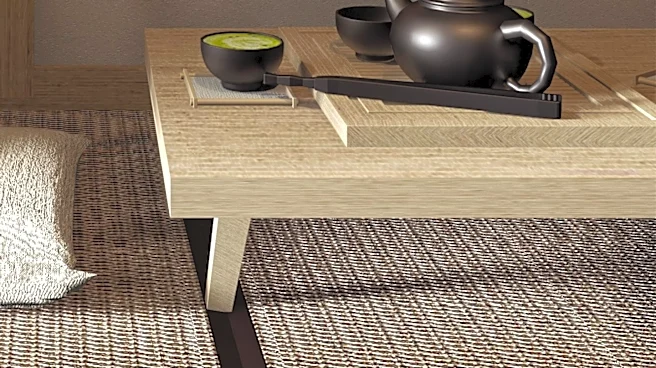
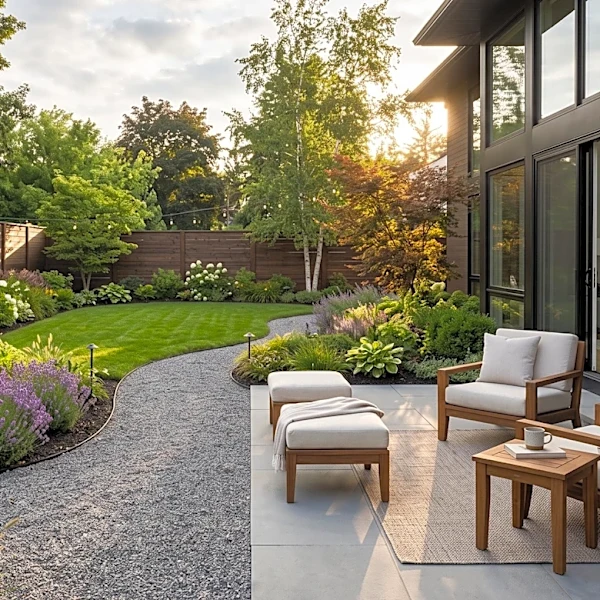
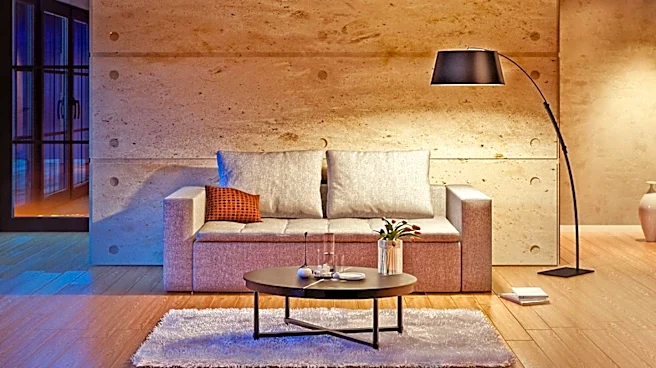
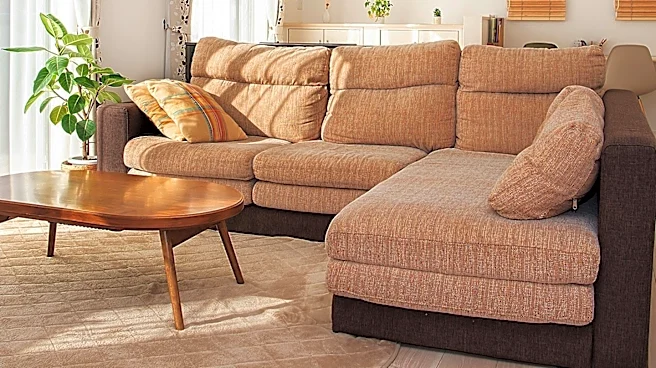
wood tones. Key features include flat or slim-frame Shaker cabinet doors with minimal display, prioritizing closed cabinets to maintain an uncluttered look. The design philosophy centers on natural materials, low-profile furniture, and creating a serene, organized atmosphere. It draws from Japanese principles of craftsmanship and natural materials, combined with Scandinavian elements of comfort and functionality. This hybrid style is particularly appealing to those who appreciate minimalism but desire a warmer, more inviting space.
Why It's Important?
The rise of Japandi style reflects a broader shift in consumer preferences towards more sustainable, functional, and calming living environments. In the U.S., where fast-paced lifestyles often lead to a desire for tranquil home spaces, Japandi offers a compelling solution. Its emphasis on natural materials and uncluttered design aligns with growing environmental consciousness and a move away from excessive consumerism. For the furniture and home decor industries, this trend signifies a demand for pieces that are both aesthetically pleasing and highly functional, favoring quality over quantity. Architects and interior designers are increasingly incorporating Japandi elements to create spaces that promote well-being and a sense of peace, impacting residential and commercial design trends across the nation.
What's Next?
As Japandi style continues to gain traction, expect to see an increased availability of furniture and decor items that embody its principles in U.S. retail markets. Manufacturers are likely to expand their lines to include more low-slung furniture, natural wood pieces, and textiles in muted, earthy tones. Design publications and home improvement shows will likely feature more Japandi-inspired interiors, further popularizing the aesthetic. We may also see a greater integration of smart home technology that seamlessly blends into this minimalist design, maintaining functionality without disrupting the serene visual appeal. The style's adaptability suggests it could influence not only residential but also commercial spaces, such as offices and hospitality venues, seeking to create calming and productive environments.
Beyond the Headlines
Beyond its aesthetic appeal, Japandi style embodies a deeper cultural and philosophical convergence. It represents a synthesis of Eastern and Western design philosophies, promoting a lifestyle of intentionality and appreciation for simplicity. The Japanese concept of 'wabi-sabi,' which finds beauty in imperfection and natural aging, subtly influences Japandi, encouraging the use of handmade items and materials that develop character over time. This approach contrasts with the often-disposable nature of modern consumer goods, fostering a more mindful relationship with one's possessions and living space. The style's focus on natural light and open spaces can also contribute to improved mental well-being, offering a sanctuary from external stressors and promoting a sense of harmony within the home.