








What's Happening?
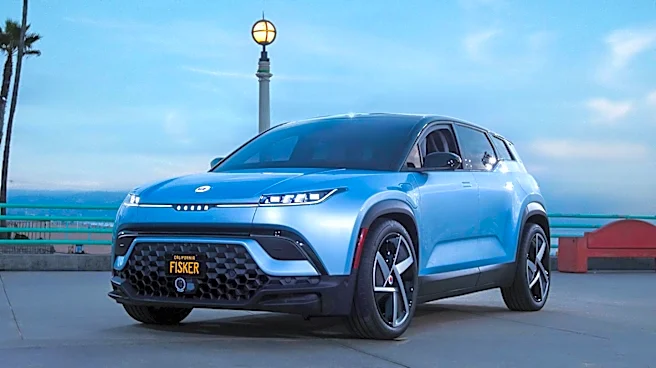
Fisker Inc., the electric car manufacturer, has accumulated a debt of 425 million kroner (approximately $60 million USD) following its bankruptcy in Norway. The company's Norwegian subsidiary ceased operations in 2024 after selling only about 400 cars.
The final settlement from the bankruptcy estate, as reported by Norwegian TV2, indicates that the curator, Egil Hatling, has only managed to recover less than nine million kroner for creditors. This amount was raised by selling a remaining stock of 70 vehicles, with 15 of these designated solely for spare parts. The majority of the debt, over 310 million kroner, is owed to the factory in Austria, Magna Steyr, which produced the vehicles. The bankruptcy proceedings are expected to conclude by the fall of 2026.
Why It's Important?
The bankruptcy of Fisker Inc. in Norway highlights the significant challenges and financial risks associated with launching new electric vehicle companies in a competitive market. The substantial debt and minimal recovery for creditors underscore the difficulties faced by startups attempting to rival established players like Tesla. This event could deter future investment in nascent EV manufacturers, particularly those with ambitious production goals but limited market penetration. For consumers, the failure of Fisker Inc. has already led to issues such as the loss of internet connectivity for over 7,000 Fisker Ocean owners, demonstrating the long-term implications for product support and functionality when a company collapses. The situation also raises questions about the viability of outsourcing production, as a large portion of the debt is owed to the manufacturing partner.
What's Next?
The bankruptcy proceedings for Fisker Inc.'s Norwegian subsidiary are anticipated to be finalized by the fall of 2026. During this period, the curator will continue efforts to recover assets and settle debts, though current recoveries are significantly less than the total owed. The investigation into potential illegalities or criminal acts leading up to the bankruptcy concluded that no circumstances warranted a complaint from the estate. The long-term impact on the electric vehicle market will likely involve increased scrutiny of new entrants and a greater emphasis on financial stability and sustainable business models. For the remaining Fisker Ocean owners, the future of their vehicles' functionality and support remains uncertain, particularly regarding internet connectivity and potential software updates.
Beyond the Headlines
The collapse of Fisker Inc. extends beyond immediate financial losses, touching upon broader themes of innovation, market disruption, and consumer trust in the electric vehicle sector. The company's ambitious plans to challenge Tesla ultimately succumbed to economic realities, illustrating the immense capital and operational expertise required to succeed in automotive manufacturing. This event could lead to a more cautious approach from investors towards high-risk, high-reward ventures in the EV space, potentially consolidating the market around a few dominant players. Furthermore, the loss of internet connectivity for existing vehicle owners highlights the growing reliance on connected services in modern cars and the vulnerability of these features when a company fails, prompting discussions about consumer protection and long-term service guarantees in an increasingly digital automotive landscape.