






What's Happening?
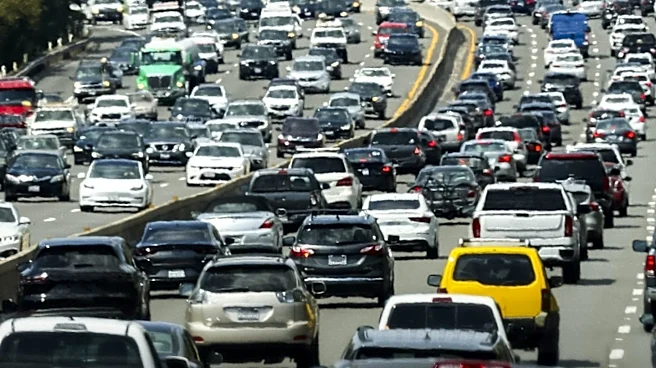
California faces a significant challenge in managing its electricity distribution infrastructure, with the cost of traditional upgrades estimated between $6 to $20 billion. The rise of electric vehicles (EVs) and increased electrification have shifted
grid constraints to local distribution feeders, particularly in residential areas. Feeder-first virtual power plants (VPPs) offer a solution by targeting specific neighborhoods to manage load and prevent equipment failures. This approach contrasts with traditional demand response models, which focus on system-wide peak demand. The concept has shown promise in programs like Con Edison's Brooklyn-Queens Demand Management, which achieved significant cost savings.
Why It's Important?
The adoption of feeder-first VPPs could revolutionize how electricity distribution is managed, offering a cost-effective alternative to traditional infrastructure upgrades. This approach not only addresses the immediate challenges posed by EVs and electrification but also aligns with broader goals of grid modernization and sustainability. By reducing the need for costly infrastructure investments, VPPs can help utilities manage growing demand while minimizing environmental impact. The success of such programs could influence energy policies and investment strategies across the U.S., promoting more resilient and efficient energy systems.
What's Next?
The implementation of feeder-first VPPs will require supportive policies, technological advancements, and new business models. Stakeholders, including utilities, regulators, and investors, will need to collaborate to develop frameworks that incentivize the deployment of VPPs. As California continues to lead in renewable energy and grid innovation, the outcomes of these efforts could serve as a model for other states facing similar distribution challenges. The ongoing evaluation of VPPs' effectiveness and scalability will be crucial in determining their role in the future energy landscape.