



What's Happening?
Athleisure, a clothing style that merges athletic wear with leisure and loungewear, is increasingly focusing on strategic layering for autumn. This approach allows individuals to adapt their outfits to fluctuating temperatures throughout the day, transitioning
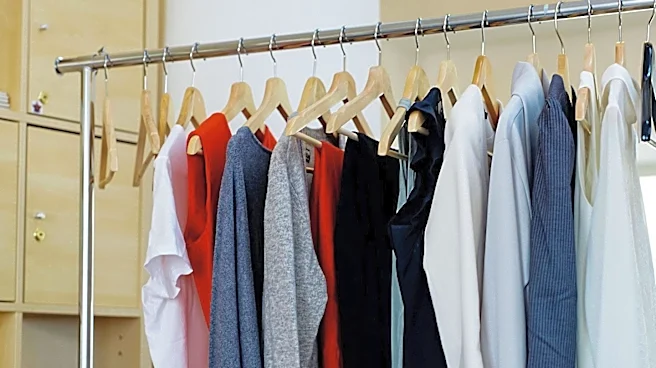
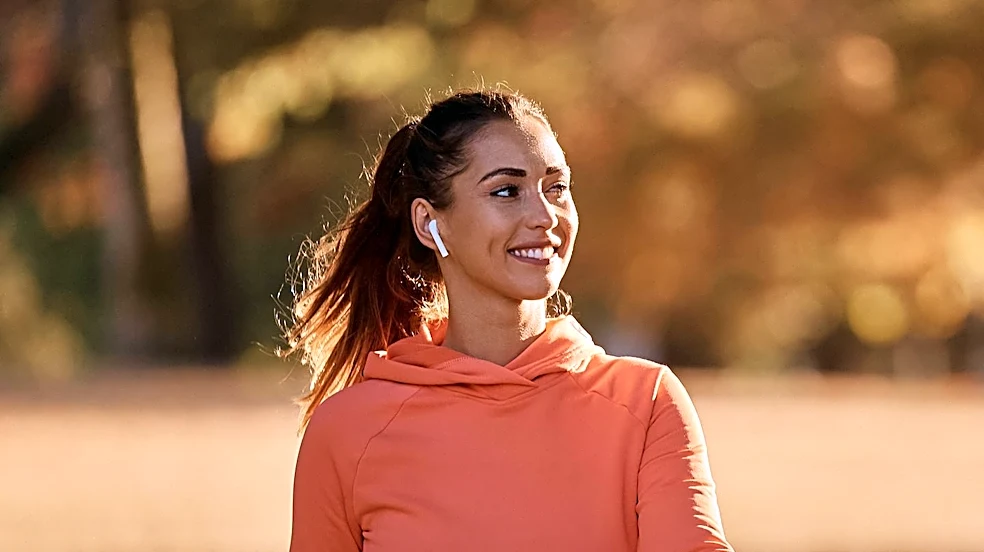
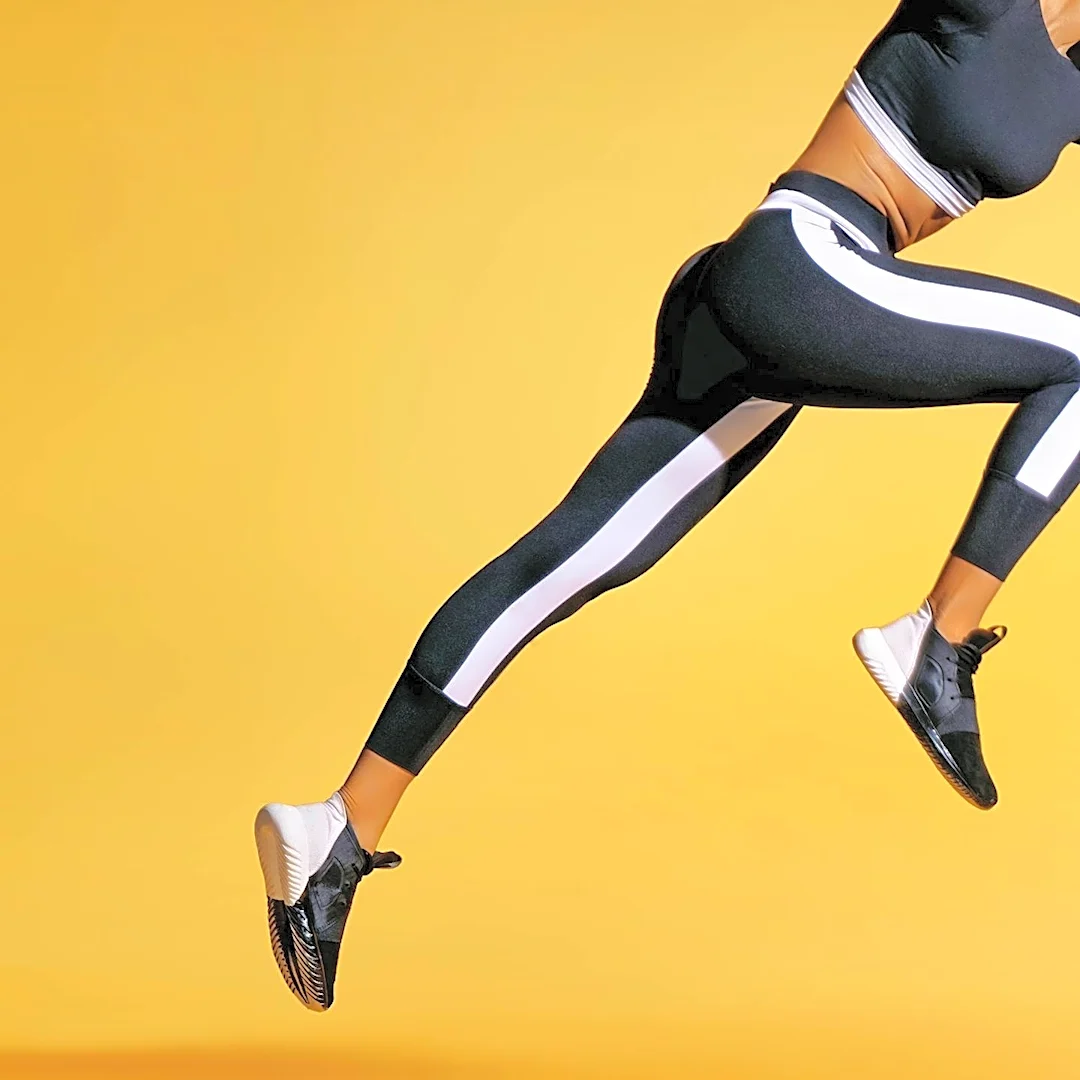
seamlessly from workouts to daily activities like coffee runs, errands, or walks. The layering strategy typically involves four components: a supportive base layer such as a sports bra and leggings, followed by a light top, a warm layer like a sweatshirt or hoodie, and finally, a weather-appropriate jacket. This method prioritizes comfort and versatility, enabling wearers to easily add or remove layers as conditions change. Brands like ATIA highlight the importance of complementary pieces in terms of length and silhouette to ensure a polished look, with matching or tonal base layers and neutral outer layers offering maximum versatility. The goal is to create outfits that are both functional for movement and stylish enough for various social settings.
Why It's Important?
The emphasis on layering in athleisure reflects a broader consumer demand for versatile and comfortable clothing that can adapt to diverse daily schedules and environmental conditions. This trend is significant for the U.S. apparel industry as it drives innovation in fabric technology and garment design, focusing on materials that offer flexibility, breathability, and warmth without sacrificing style. For consumers, it means greater utility from their wardrobe, reducing the need for multiple outfit changes throughout the day and promoting a more sustainable approach to fashion. Businesses in the athleisure sector stand to gain by offering modular clothing lines that encourage consumers to purchase multiple coordinating pieces. This focus on adaptability also caters to the growing number of individuals with active lifestyles who seek clothing that supports both their fitness routines and their casual social engagements, impacting retail strategies and product development across the fashion market.
What's Next?
The athleisure market is expected to continue its growth trajectory, with an ongoing focus on functional design and material innovation. Future developments may include advanced fabric technologies that offer enhanced temperature regulation, moisture-wicking properties, and sustainable production methods. Brands will likely further refine their layering systems, introducing more interchangeable pieces and expanding color palettes to offer greater customization. We can anticipate an increase in collaborations between athleisure brands and technology companies to integrate smart features into clothing, such as embedded sensors for health monitoring. Retailers will also likely adapt their merchandising strategies to showcase layered athleisure outfits, providing consumers with inspiration and guidance on how to build versatile wardrobes. This evolution will continue to blur the lines between activewear and everyday fashion, solidifying athleisure's position as a dominant force in the U.S. apparel market.
Beyond the Headlines
The evolution of athleisure, particularly its emphasis on layering, points to a deeper cultural shift towards practicality and comfort in everyday life. This trend challenges traditional fashion norms that often prioritized aesthetics over functionality, reflecting a consumer base that values well-being and ease. The rise of athleisure also has implications for workplace dress codes, as more flexible and comfortable attire becomes acceptable in various professional settings. Ethically, the demand for versatile and durable athleisure wear could encourage brands to invest in higher-quality, longer-lasting garments, potentially counteracting the fast fashion cycle. However, it also raises questions about the environmental impact of producing specialized performance fabrics. The long-term shift could lead to a more integrated approach to clothing design, where garments are conceived not just for specific activities but for a holistic, adaptable lifestyle, influencing everything from urban planning (e.g., walkable cities) to personal identity expression.