





What's Happening?
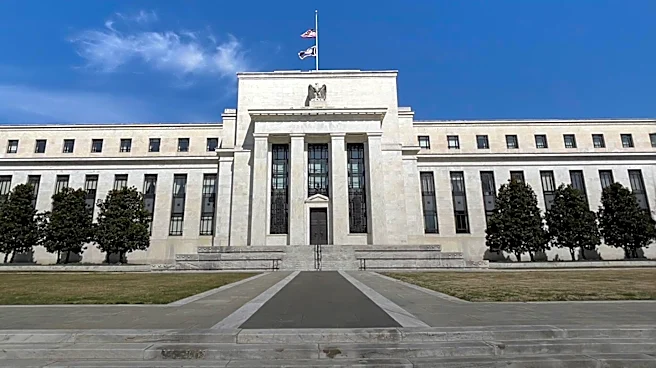
U.S. Treasury yields have continued to rise following the Federal Reserve's decision to maintain interest rates at their current levels. The 30-year Treasury bond yield reached its highest point since 2007, while the 10-year and 2-year Treasury yields also
saw significant increases. The Fed's decision, made in a 9-3 vote, reflects ongoing economic expansion despite uncertainties related to the Middle East conflict. Analysts from Deutsche Bank anticipate potential rate hikes later in the year, suggesting a 25-basis-point increase in both September and December.
Why It's Important?
The rise in Treasury yields indicates investor reactions to the Federal Reserve's decision and expectations for future monetary policy. Higher yields can impact borrowing costs for the government and influence interest rates for mortgages and loans, affecting consumer spending and the housing market. The Fed's cautious approach highlights the delicate balance between supporting economic growth and controlling inflation. The ongoing geopolitical tensions and their impact on energy prices add complexity to the Fed's policy decisions, with potential implications for financial markets and economic stability.
What's Next?
Investors and analysts will be closely monitoring upcoming economic data, including jobless claims and inflation indicators, for insights into the Fed's future actions. The potential for rate hikes later in the year remains a key focus, as the Fed seeks to manage inflationary pressures while supporting economic growth. The evolving geopolitical situation and its impact on energy prices will continue to influence the Fed's policy considerations. Market participants will be looking for signals from the Fed regarding its approach to achieving price stability and economic resilience.