






What's Happening?
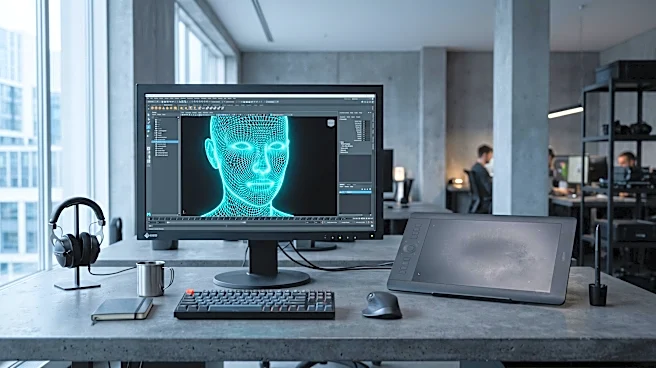
Artists are being advised on how to achieve professional quality in fine art printing for their reproductions. The process begins with creating a high-quality digital file of the artwork, either by taking a picture or scanning it, ensuring high resolution
to prevent softness when enlarged. Common file formats accepted by most print services include JPG, PNG, PDF, and TIFF. Artists should also choose the right paper and surface, as these alter the artwork's texture; options include archival matte paper for paintings, canvas for a classic gallery look, and photo paper for rich contrast in photography. Premium paper brands like Hahnemühle, Moab, and Epson are recommended for long-lasting results. Crucially, attention to color is vital, as screens and paper can render colors differently. Artists are encouraged to order sample prints to compare against the original in daylight before committing to a full print run, as many printers offer this service at little to no cost.
Why It's Important?
This guidance is important for U.S. artists seeking to professionalize their work and expand their reach through high-quality reproductions. In an increasingly digital art market, the ability to produce accurate and visually appealing prints is essential for commercial success and maintaining artistic integrity. For artists, understanding the nuances of file preparation, material selection, and color management can significantly impact the perceived value and marketability of their reproductions. This knowledge empowers them to make informed decisions, avoid common pitfalls, and ensure that their printed art faithfully represents their original creations. The emphasis on sample prints also highlights a practical, cost-effective step that can save artists from costly mistakes and enhance customer satisfaction, ultimately contributing to a more robust and professional art economy.
What's Next?
Artists are encouraged to frame and package their prints with care to ensure they reach buyers in pristine condition. This final step in the reproduction process is as crucial as the initial digital file preparation and printing. The guide implicitly suggests that artists should continuously educate themselves on best practices in printing technology and materials to stay competitive. As printing technologies evolve, artists will need to adapt their workflows and choices to leverage new advancements. Furthermore, building strong relationships with reputable print services that understand the specific needs of fine art reproduction will be key. This ongoing engagement with quality control and professional presentation will help artists maintain a high standard for their work and build a strong reputation in the art market.
Beyond the Headlines
The detailed advice on fine art printing touches upon deeper implications for the art world, particularly concerning authenticity, accessibility, and the democratization of art. By enabling artists to produce high-quality reproductions, it makes art more accessible to a wider audience who might not be able to afford original pieces. This also raises questions about the distinction between original art and reproductions, and how artists can maintain the value of both. The technical aspects of color management and material selection underscore the blend of artistic vision with scientific precision required in modern art production. Ultimately, this guide contributes to a more professionalized and sustainable ecosystem for artists, allowing them to diversify their income streams while preserving the integrity and reach of their creative output in the digital age.