




What's Happening?
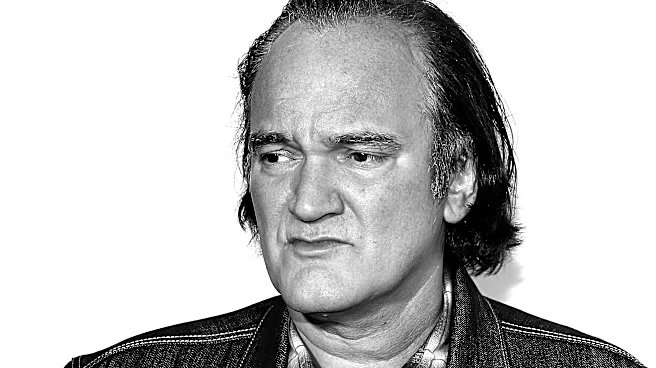
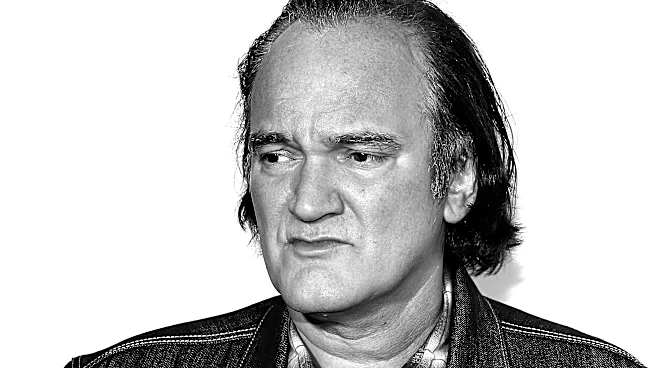
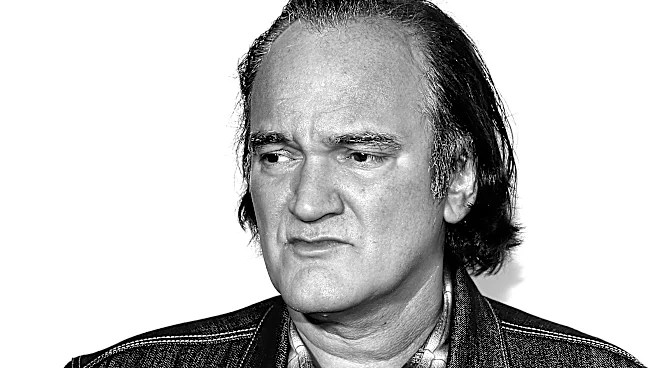
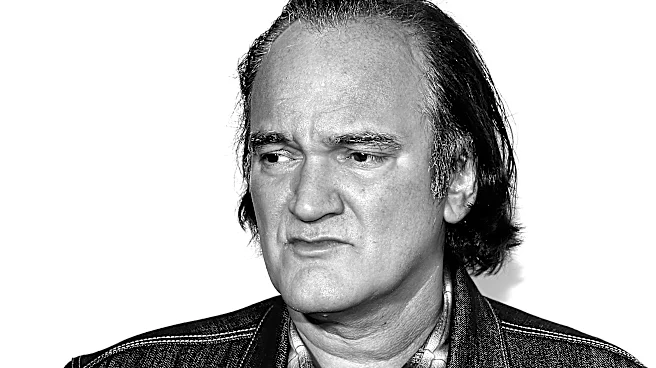
Director Quentin Tarantino has disclosed details regarding the firing of two A-list actresses, Isabelle Huppert and Mélanie Laurent, from his 2009 film 'Inglourious Basterds' before production began. According to a new book by Jay Glennie, 'The Making
of Quentin Tarantino’s Inglourious Basterds,' Tarantino fired Isabelle Huppert, 73, because she 'didn't show up' for a table read, citing contract issues and her absence as reasons. Huppert was initially cast as Madame Ada Mimieux and was replaced by Maggie Cheung, though Cheung's scenes were ultimately cut from the final film. Mélanie Laurent, 43, who eventually starred as Shosanna Dreyfus, was also initially fired after a 'terrible' table read. However, Laurent successfully convinced Tarantino to rehire her after pleading her case and agreeing to three days of rehearsals. Tarantino emphasized his commitment to casting the right actors for his films, stating he owes nothing to actors who do not meet his expectations for the production.
Why It's Important?
This revelation offers a rare glimpse into the demanding and often ruthless nature of Hollywood film production, particularly from a director known for his distinctive vision like Quentin Tarantino. It underscores the significant power dynamics between acclaimed directors and actors, even those considered 'A-list.' The incident with Mélanie Laurent highlights the resilience and determination required for actors to secure and retain roles in a highly competitive industry, demonstrating that initial setbacks can be overcome through persistence. Conversely, Isabelle Huppert's firing illustrates the strict adherence to professional conduct expected on set, where even established stars are not exempt from consequences for failing to meet basic commitments like a table read. This insight into Tarantino's casting process also reveals his uncompromising approach to filmmaking, prioritizing the integrity of his artistic vision over established reputations, which can influence how other directors might approach talent management and pre-production phases.
What's Next?
The disclosures from Jay Glennie's book are likely to generate further discussion within the film industry and among fans regarding Tarantino's directorial methods and the pressures faced by actors. While the events occurred over a decade ago, they provide a historical context for understanding the behind-the-scenes realities of major film productions. There may be renewed interest in the careers of Isabelle Huppert and Mélanie Laurent, with audiences potentially re-evaluating their performances in 'Inglourious Basterds' and other films in light of these revelations. The book itself is expected to become a significant resource for film enthusiasts and scholars interested in Tarantino's work, offering an unfiltered look into the creative and logistical challenges of bringing his cinematic visions to life. This could also prompt other filmmakers to share similar anecdotes, contributing to a broader conversation about power, professionalism, and artistic integrity in Hollywood.
Beyond the Headlines
Beyond the immediate news of casting decisions, this story touches on deeper themes within the entertainment industry, such as the subjective nature of artistic collaboration and the high stakes involved in film production. Tarantino's candidness about firing actors, even those with significant standing, reflects a philosophy where the film's ultimate quality supersedes individual star power or contractual obligations. This raises questions about the balance between creative control and talent relations in Hollywood. The contrasting outcomes for Huppert and Laurent also highlight the varying degrees of agency actors possess, with Laurent's successful re-audition demonstrating the potential for actors to advocate for themselves and their roles. Furthermore, the incident underscores the often-unseen labor and emotional investment that goes into securing and performing a role, revealing that even for A-list talent, the path to a final film can be fraught with challenges and unexpected turns.