








What's Happening?
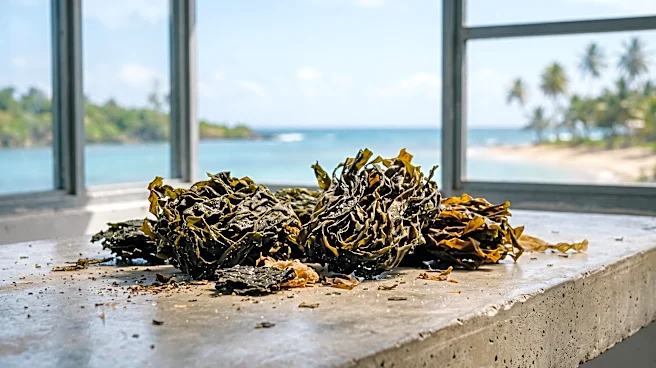
The UN Trade & Development (UNCTAD) is organizing an invitation-only validation webinar focused on the 'Transforming Indonesia's Seaweed Sector' project. This initiative, supported by the Joint SDG Fund under the United Nations Expertise on Demand program,
aims to bolster Indonesia's seaweed by-product sector and enhance value addition within its seaweed economy. The webinar will serve to validate key findings and recommendations derived from two project outputs: a value chain and trade diagnostic, and a policy and regulatory study. Discussions will center on economically viable and environmentally sustainable methods for producing higher-value seaweed-derived products such as biopolymers, bioplastics, bio-packaging, biostimulants, and fertilizers. The project also seeks to improve income, resilience, and market participation for coastal communities, with a particular focus on women. Participants will include public institutions, seaweed product producers, processors, technology providers, researchers, investors, buyers, and development partners. The consultation will be conducted in English and Bahasa Indonesia, with auto-translated captioning available.
Why It's Important?
This initiative is important as it addresses sustainable economic development and environmental stewardship in a key agricultural sector. By focusing on higher-value seaweed products, Indonesia can move beyond raw material export, creating more sophisticated industries and increasing economic returns. The emphasis on improving income and market participation for coastal communities, especially women, highlights a commitment to inclusive growth and poverty reduction. The development of biopolymers, bioplastics, and bio-packaging offers environmentally friendly alternatives to traditional materials, aligning with global sustainability goals and potentially reducing plastic pollution. For the U.S., advancements in sustainable bioproducts in other nations can influence global supply chains, research and development trends, and potentially foster international collaborations in green technologies. The project's success could also serve as a model for other developing nations looking to leverage their natural resources sustainably.
What's Next?
Following the validation webinar, the project is expected to move forward with implementing the validated findings and recommendations. This will likely involve further engagement with public institutions and private sector stakeholders to integrate the diagnostic and policy study outcomes into actionable strategies. The focus will be on developing and scaling up the production of higher-value seaweed-derived products. This could lead to new investments in processing technologies, capacity building for local communities, and the establishment of new market linkages. The project's success could also pave the way for similar initiatives in other countries with significant seaweed resources, potentially expanding the global market for sustainable bioproducts. Continued monitoring of the project's impact on income generation, environmental sustainability, and market participation will be crucial for assessing its long-term effectiveness.
Beyond the Headlines
The 'Transforming Indonesia's Seaweed Sector' project represents a broader global trend towards bio-economy and sustainable resource management. Beyond the immediate economic benefits for Indonesia, this initiative underscores the potential of marine resources to address pressing environmental challenges, such as plastic pollution and the need for sustainable agriculture. The development of biostimulants and fertilizers from seaweed could reduce reliance on synthetic chemicals, promoting healthier ecosystems and food systems. Furthermore, the project's focus on empowering coastal communities and women highlights the intersection of economic development, social equity, and environmental protection. This holistic approach is critical for achieving the United Nations Sustainable Development Goals, demonstrating how targeted interventions in specific sectors can yield wide-ranging positive impacts. The lessons learned from Indonesia's experience could inform policy and investment decisions in other regions, fostering a more sustainable and equitable global economy.