





What's Happening?
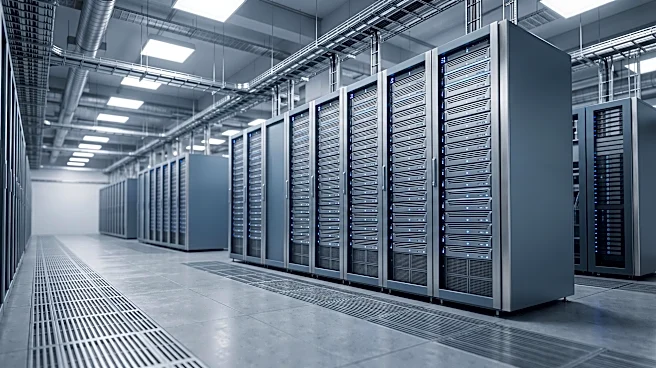
The world is currently experiencing an 'AI gold rush,' characterized by significant investments in artificial intelligence infrastructure. This boom is driven by massive expenditures on data centers, graphics processing units (GPUs), and energy networks.
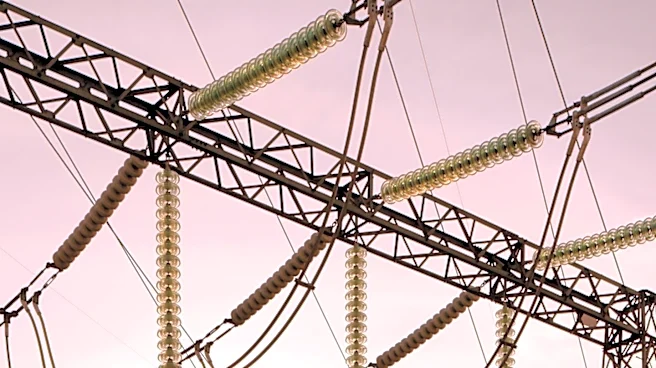
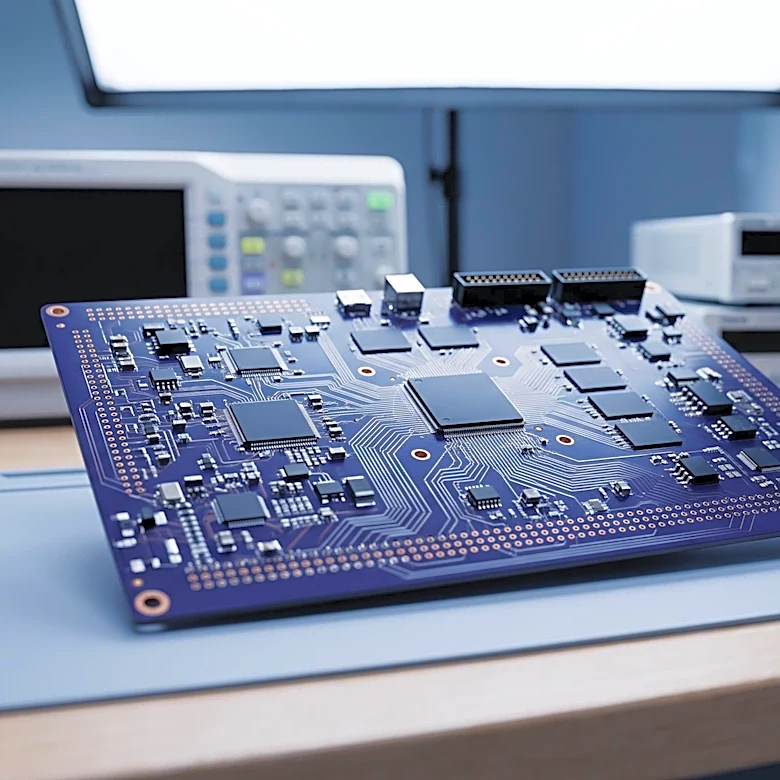
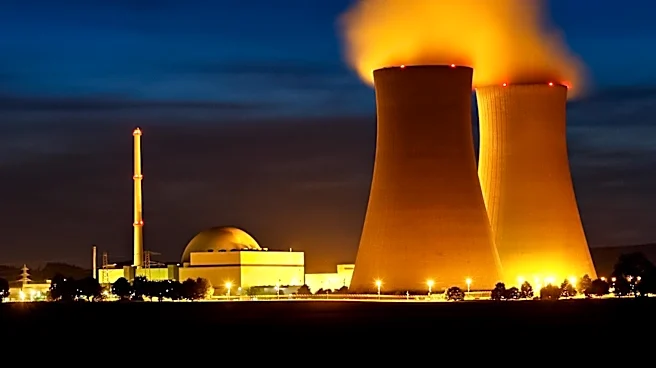
Similar to historical gold rushes, this period is creating both winners and losers. Companies and nations investing in the 'picks and shovels' of AI infrastructure—such as chips, semiconductor equipment, cloud/AI computing, networking, storage, cooling devices, and massive electricity generation—are positioned to benefit. AI is a substantial consumer of electricity, making power generation grids, transmission, and sources like nuclear, hydro, and natural gas strategically important. The rush is marked by rapid information spread, an element of surprise, and impatient economic actors, mirroring past gold rushes like the California Gold Rush of 1848. Those who provide essential equipment and services, rather than just seeking immediate AI applications, are likely to achieve sustainable success.
Why It's Important?
This AI gold rush has profound implications for U.S. industries and the global economy. Companies that are at the forefront of building AI models and infrastructure, supplying semiconductors, cloud services, hardware, and related data, are emerging as the primary beneficiaries. This creates a competitive landscape where early investors in AI infrastructure gain a significant advantage, while those who delay risk falling behind in national competitiveness and market share. The increased demand for electricity due to AI operations highlights the critical role of energy infrastructure, potentially driving investments in nuclear, hydro, and natural gas power generation within the U.S. Furthermore, the economic lessons from historical gold rushes suggest that sustainable success comes from providing foundational support rather than just chasing immediate gains, influencing investment strategies across various sectors. The shift also impacts the labor market, with routine knowledge work facing significant strain as AI automates predictable digital tasks, potentially leading to fewer personnel required for the same output.
What's Next?
The AI gold rush is expected to continue driving substantial investments in technological infrastructure and energy solutions. Companies will likely intensify their focus on developing and deploying advanced AI hardware, software, and data management systems. Governments, including the U.S., are anticipated to increase their strategic investments in AI infrastructure, talent development, and innovation to bolster national competitiveness. The demand for reliable and scalable energy sources will continue to grow, potentially accelerating the development of nuclear and renewable energy projects. Businesses that successfully integrate AI to enhance productivity in sectors like healthcare, agriculture, manufacturing, and financial services will see long-term gains. Conversely, entities that merely 'AI-wash' their products without fundamental changes, or those that over-leverage AI investments without clear productivity gains, may face significant risks. The market will likely see further consolidation among major 'shovel sellers' in the AI ecosystem, while startups face high risks of being outcompeted.
Beyond the Headlines
Beyond the immediate economic gains, the AI gold rush raises deeper implications concerning technological dependency, ethical considerations, and societal transformation. The concentration of AI infrastructure and capabilities among a few major players could lead to significant power imbalances, influencing global technological leadership and economic control. Ethical debates surrounding data privacy, algorithmic bias, and the future of work will intensify as AI becomes more pervasive. The environmental impact of massive energy consumption by AI data centers also presents a long-term challenge, pushing for more sustainable and efficient energy solutions. Culturally, the rapid integration of AI could reshape industries, job roles, and daily life, necessitating new educational paradigms and workforce retraining initiatives. The 'picks and shovels' analogy also highlights the enduring principle that foundational industries often yield more stable and long-term returns, a lesson that could influence future investment philosophies beyond the current AI boom.