





What's Happening?
Luxury living is undergoing a significant transformation, with affluent individuals increasingly valuing experiences over material possessions. This shift is influencing residential design, hospitality, and lifestyle choices, as observed by Inspirata
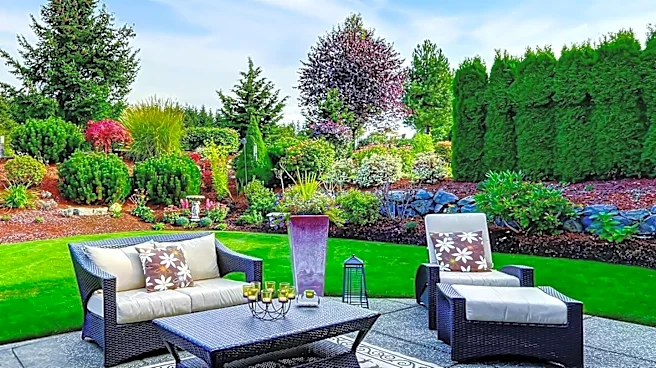
Management. Ultra-high-net-worth individuals are now seeking memorable experiences such as bespoke cultural journeys, philanthropic projects, and private art showings or culinary workshops within their homes. The focus has moved from tangible goods, which previously signified status, to authentic, comfortable, and enriching day-to-day experiences. This trend is leading to the integration of advanced technologies, personalized wellness sanctuaries, and curated living spaces that reflect individual passions and interests, blurring the lines between private and public life within residences.
Why It's Important?
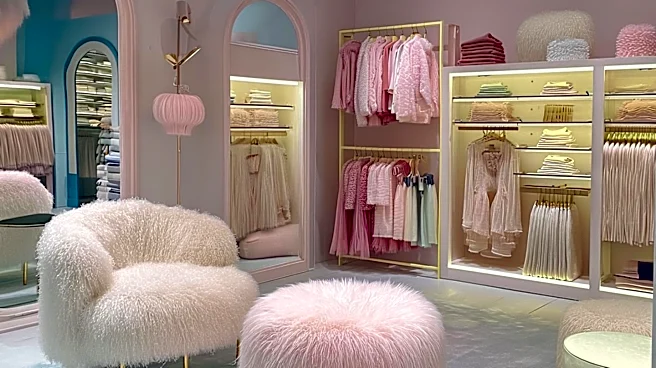
This evolving definition of luxury has broad implications for various U.S. industries, particularly real estate, hospitality, and retail. The demand for homes that serve as curated backdrops for art, wellness, technology, and social interaction is reshaping residential development. Developers and designers are now focusing on creating spaces with custom-built spas, state-of-the-art fitness centers, and immersive entertainment zones, moving beyond traditional luxury amenities. The hospitality sector is also adapting, as affluent consumers seek personalized services and unique experiences that can be replicated within their homes. This shift suggests a potential decline in the perceived value of purely material luxury goods, prompting retailers to consider how to offer more experiential or service-oriented products to cater to this changing consumer preference. Ultimately, this trend highlights a broader societal move towards valuing personal enrichment and well-being over ostentatious displays of wealth.
What's Next?
The trajectory of luxury living suggests a continued emphasis on personalization and experiential offerings. Real estate developers are likely to further integrate wellness facilities, advanced smart home technologies, and adaptable spaces for private events into future luxury properties. The hospitality industry may see an increase in bespoke services and partnerships that bring high-end experiences directly to private residences. Furthermore, the retail sector could pivot towards offering more curated, experience-based products or services, such as exclusive workshops, personalized styling sessions, or unique travel packages, to align with the preferences of affluent consumers. This evolution is expected to drive innovation in design, technology, and service delivery across multiple luxury markets, as businesses strive to meet the demand for more meaningful and personalized experiences.
Beyond the Headlines
The shift from material possessions to experiences in luxury living reflects deeper cultural and psychological changes among the affluent. It suggests a growing desire for authenticity, personal growth, and a more profound connection to one's environment and community. This trend could lead to a re-evaluation of what constitutes 'wealth' and 'success,' moving beyond mere accumulation to encompass well-being, personal fulfillment, and unique life experiences. Ethically, it raises questions about accessibility and equity, as these highly personalized and exclusive experiences remain largely confined to the ultra-wealthy. Culturally, it may influence broader societal aspirations, potentially encouraging a greater appreciation for non-materialistic pursuits and a focus on quality of life over quantity of possessions, albeit within a luxury context. This evolution could also foster a more sustainable approach to consumption, as experiences often have a lower environmental footprint than the continuous acquisition of new goods.