




What's Happening?
Fashion designer Sami Miró has launched a new womenswear brand, 'The Róse by Sami Miró,' exclusively with Pacsun. This collaboration marks Miró's second brand, following her 2016 venture, Sami Miró Vintage, which focused on circular fashion. The new line
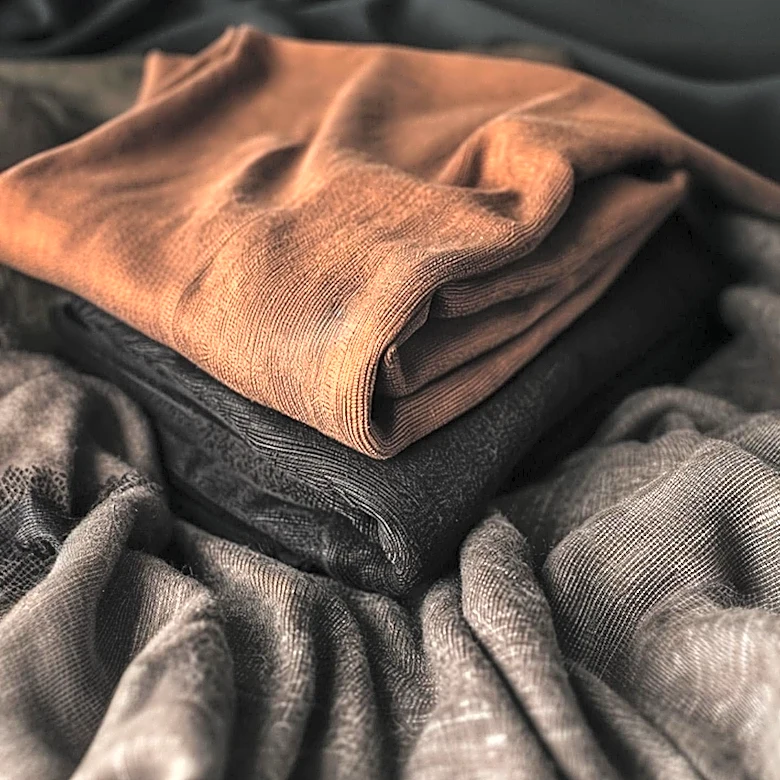
aims to bring Miró's ethical design philosophy and aesthetic to a broader audience at a more accessible price point, ranging from $30 to $100. The collection, dubbed 'chapter one,' features 25 styles made from materials like 100% cotton denim, regenerative options, cotton-rich rib knits, jersey, and fleece staples. Miró emphasized that the brand is designed with longevity in mind, focusing on quality and timelessness rather than fast fashion trends. Pacsun will distribute 'The Róse' across 50 of its top stores in the U.S., including locations in New York, Minnesota, Arizona, California, Pennsylvania, Virginia, New Jersey, Florida, Massachusetts, and Texas, as well as online. This partnership is built on a two-year exclusive distribution and licensing deal, with Miró retaining the intellectual property of the brand.
Why It's Important?
This launch is significant for the U.S. fashion industry as it represents a major step towards integrating circular and sustainable fashion practices into mainstream retail at an accessible price point. Sami Miró's decade-long commitment to ethical clothing, demonstrated through her previous brand, now reaches a wider demographic through Pacsun's extensive network. This move challenges the perception that sustainable fashion must be expensive or niche, potentially influencing other retailers and designers to adopt similar models. For consumers, it offers more ethical and durable clothing options without the premium price tag often associated with sustainable brands. The collaboration also highlights a growing trend where established retailers partner with designers known for their sustainable practices, signaling a shift in industry priorities towards environmental responsibility and conscious consumption. This could lead to increased demand for transparent supply chains and responsibly sourced materials across the U.S. fashion market.
What's Next?
Following the initial launch, 'The Róse by Sami Miró' plans to release eight more collections over the next two years, as part of its exclusive deal with Pacsun. This consistent rollout will further establish the brand's presence in the accessible fashion market and continue to promote circular design principles. The success of this partnership could encourage other major U.S. retailers to explore similar collaborations with sustainable designers, potentially accelerating the adoption of ethical practices across the industry. Consumers can expect to see more brands emphasizing longevity, quality, and responsible sourcing in their offerings. The fashion industry will likely monitor the sales performance and consumer reception of 'The Róse' to gauge the market's appetite for accessible circular fashion, which could influence future investment and strategic decisions in sustainable fashion initiatives.
Beyond the Headlines
The collaboration between Sami Miró and Pacsun extends beyond a simple product launch; it signifies a cultural shift in how younger generations perceive and engage with fashion. Miró's philosophy of 'made to be kept' directly counters the fast fashion model, encouraging consumers to invest in durable, timeless pieces. This initiative could foster a greater appreciation for the craftsmanship and ethical considerations behind clothing, moving away from disposable trends. The brand's focus on detail-driven design over overt branding also promotes individuality and personal style, aligning with a growing desire among consumers for authenticity. Furthermore, by making sustainable fashion accessible, 'The Róse' could empower a new generation of shoppers to make more conscious purchasing decisions, ultimately contributing to a more sustainable and responsible fashion ecosystem in the U.S. The partnership also underscores the evolving role of retailers like Pacsun, which are increasingly becoming platforms for purpose-driven brands.