


What's Happening?
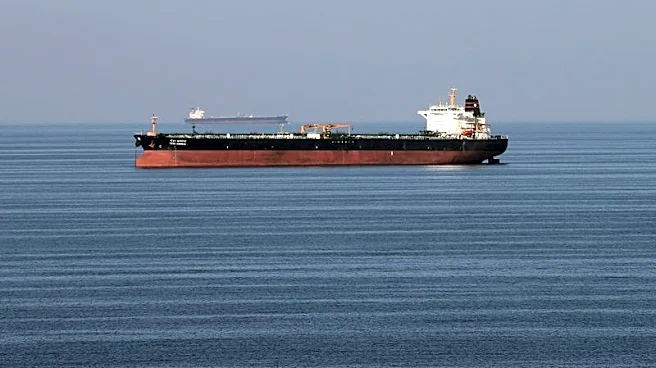
Russian Urals crude oil is now trading at a premium against the dated Brent benchmark for the first time since May, according to trading sources. This shift is primarily driven by a surge in demand from India and China, coupled with tighter export availability
from Russia's Black Sea ports. Indian refiners have increased their purchases due to renewed concerns about Middle East supply security following military tensions with Iran and disruptions in the Strait of Hormuz. Similarly, Chinese demand for Russian oil, including ESPO blend, has risen as buyers seek alternatives to potentially disrupted Middle Eastern supplies. The supply of Urals crude from the Russian Black Sea port of Novorossiysk has been constrained by ongoing drone attacks in southern Russia and the Black Sea region, limiting export availability and supporting prices. Cargoes of Urals oil for October delivery were offered at premiums up to $1 per barrel compared to Brent dated, a significant change from the $1 to $2 per barrel discounts seen for September arrivals.
Why It's Important?
This development signifies a notable shift in the global oil market dynamics, particularly impacting the effectiveness of Western sanctions on Russian oil. While the sanctions aimed to reduce Russia's oil revenues, the increased demand from Asian markets, primarily India and China, has allowed Russia to redirect its exports and maintain a competitive pricing structure. The narrowing discounts and eventual premium for Urals crude indicate that the market is adapting to the new trade flows, potentially mitigating some of the intended economic pressure on Russia. For the U.S. and its allies, this could mean a reduced impact of their sanctions strategy if Russia continues to find robust alternative markets. Furthermore, the ongoing drone attacks on Russian export terminals highlight the geopolitical risks associated with oil supply from the region, which could contribute to global oil price volatility and impact energy security considerations for importing nations.
What's Next?
The trajectory of Russian oil prices will likely depend on several factors, including the sustained demand from India and China, the effectiveness of Russian efforts to mitigate drone attacks on its export infrastructure, and any potential shifts in Middle East supply security. If drone attacks continue to constrain Russian export availability, it could further support Urals crude prices. Conversely, a de-escalation of tensions in the Middle East or a decrease in Asian demand could lead to a return of discounts. Major stakeholders, including Western governments, will be closely monitoring these developments to assess the efficacy of their sanctions and potentially adjust their strategies. Oil market participants will also be watching for any signs of increased shipping costs or insurance premiums for Russian oil, which could further influence its pricing and global availability.
Beyond the Headlines
The shift in Russian oil pricing to a premium against Brent underscores the complex and interconnected nature of global energy markets. It highlights how geopolitical events, such as the conflict in Ukraine and tensions in the Middle East, can have far-reaching consequences on commodity prices and trade flows. This situation also brings into focus the limitations of unilateral or multilateral sanctions when major global consumers are willing to step in and absorb supply. The long-term implications could include a more fragmented global oil market, with distinct pricing mechanisms and trade routes emerging for different regions. It also raises questions about the future of energy security and the potential for new alliances and dependencies to form as countries seek reliable and affordable energy sources, potentially challenging existing geopolitical alignments.