
What's Happening?
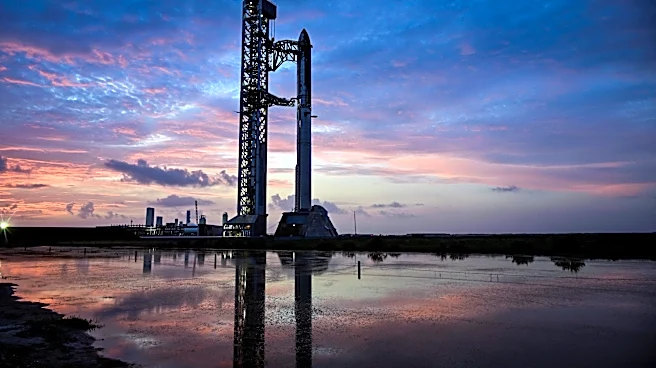
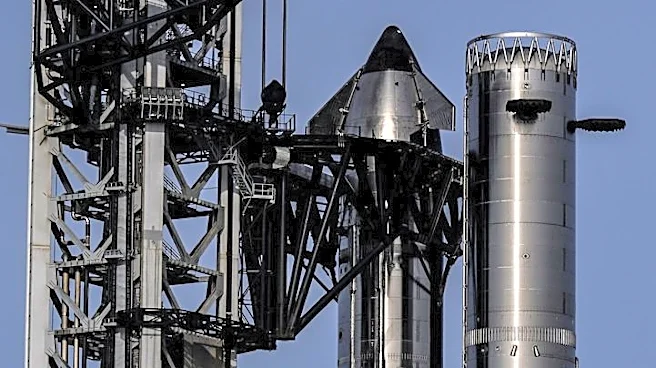
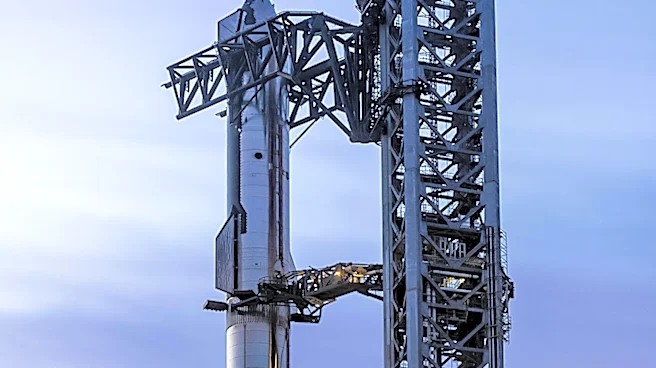
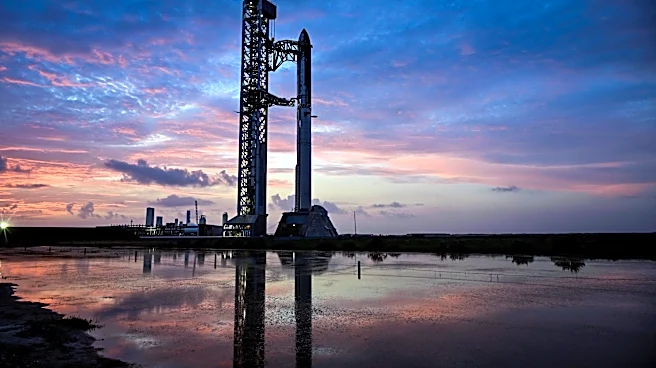
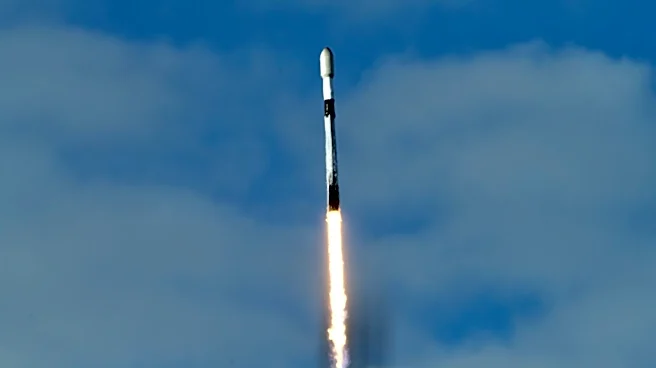
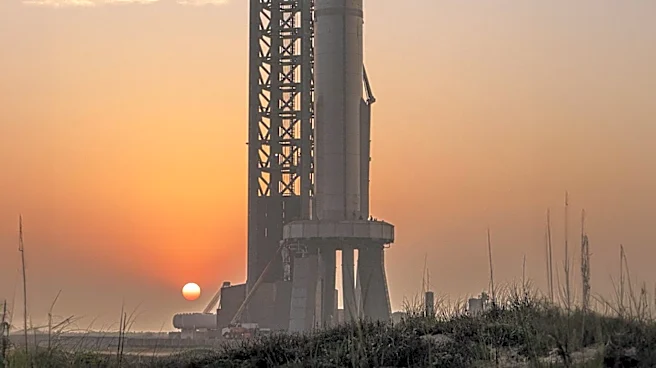
SpaceX launched its Starship rocket on a test flight from its base in Texas, deploying 20 of the most advanced Starlink satellites. The flight, which occurred on July 24, 2026, marked the 13th test of the Starship system
and the second of the new V3 version. While the Starship upper stage completed its mission objectives, including a successful splashdown in the Indian Ocean, the Super Heavy booster failed to relight enough engines for a controlled return, crashing into the Gulf of Mexico. This test follows a previous flight in May that also experienced booster issues. Despite the setback, the deployment of the Starlink satellites was successful, enhancing SpaceX's satellite internet constellation.
Why It's Important?
The deployment of advanced Starlink satellites is a critical step in SpaceX's mission to provide global internet coverage, particularly in remote areas. The success of the Starship's upper stage in achieving its objectives demonstrates progress in the development of reusable space technology. However, the booster failure highlights ongoing challenges in achieving full reusability, which is essential for reducing launch costs. These developments are significant for SpaceX's future plans, including using Starship for lunar missions and potential Mars colonization. The success of these tests could have far-reaching implications for the commercial space industry and global connectivity.
What's Next?
SpaceX will continue to address the technical challenges faced by the Super Heavy booster to ensure reliable reusability. Future tests will focus on improving engine performance and achieving successful booster landings. The company plans to expand the Starlink network further, which could revolutionize internet access worldwide. Additionally, SpaceX's collaboration with NASA for lunar missions will continue, with Starship playing a crucial role in future space exploration efforts. The company also faces environmental and legal challenges related to its launch site, which could impact its operations.