







What's Happening?
FedEx has placed an order for 2,000 new all-electric trucks from the electric vehicle startup Harbinger, a deal valued at over $300 million. This investment is part of FedEx's broader commitment to fully electrify its vehicle fleet by 2040. The company
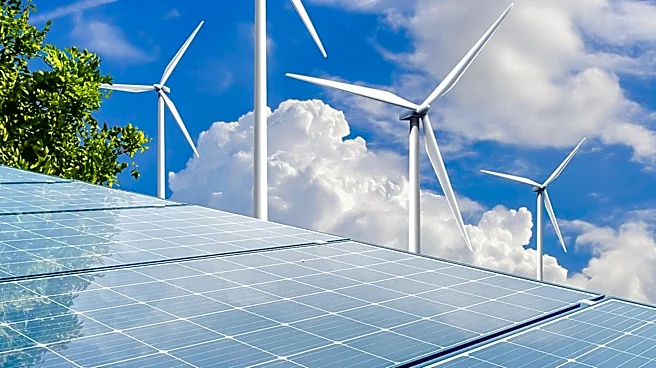
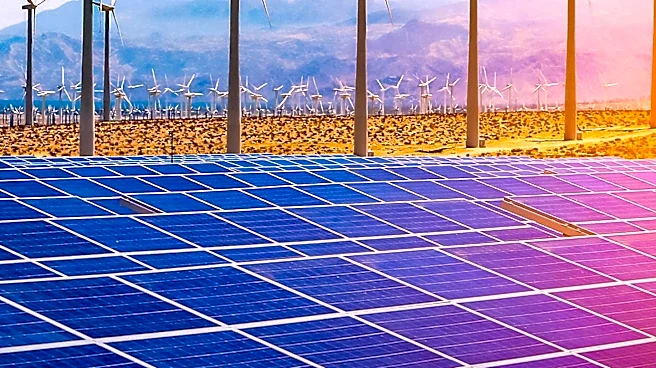
anticipates that these new electric trucks will lead to a reduction of 1.7 million tons in carbon emissions and generate $800 million in fuel cost savings over the lifespan of the vehicles. Environment America Research & Policy Center's Senior Director of the Campaign for 100% Renewable Energy, Johanna Neumann, praised FedEx's move as a demonstration of climate leadership. Neumann also suggested that FedEx could further enhance the environmental benefits by developing a plan to power these trucks using rooftop solar installations on its extensive network of warehouses and sorting facilities. FedEx operates over 5,000 facilities in the United States, including 10 large sorting and handling facilities and 680 FedEx Ground facilities, which collectively offer more than 120 million square feet of rooftop space. Despite this significant potential for solar energy generation, FedEx has not yet publicly announced any goals or plans for installing solar panels on its roofs.
Why It's Important?
This substantial investment by FedEx in electric vehicles signals a significant shift in the logistics and transportation sector towards sustainable practices. As one of the world's largest shipping companies, FedEx's commitment to electrifying its fleet can set a precedent for other major corporations, accelerating the adoption of electric vehicles across the industry. The projected reduction in carbon emissions by 1.7 million tons directly contributes to national climate goals and efforts to combat global warming, showcasing how corporate action can have a measurable environmental impact. Furthermore, the anticipated $800 million in fuel cost savings highlights the economic benefits of transitioning to electric vehicles, potentially encouraging more businesses to make similar investments. The suggestion to integrate rooftop solar power with the electric fleet also underscores the growing trend of companies seeking holistic sustainability solutions, combining renewable energy generation with electric transportation to maximize environmental and economic efficiencies. This move could influence policy discussions around corporate sustainability incentives and infrastructure development for electric vehicle charging and renewable energy integration.
What's Next?
FedEx is expected to integrate the 2,000 new all-electric trucks into its operations as they are delivered by Harbinger. The company will likely continue to evaluate and expand its electric vehicle procurement as it progresses towards its 2040 electrification goal. Following the suggestion from Environment America, there may be increased public and stakeholder pressure on FedEx to develop and announce plans for rooftop solar installations on its vast network of facilities. Such a move would further solidify its position as a leader in corporate sustainability and could inspire other companies with large logistical footprints to explore similar integrated renewable energy and electric vehicle strategies. The success and economic benefits realized by FedEx from this investment could also influence future policy decisions regarding incentives for fleet electrification and corporate renewable energy adoption. The broader electric vehicle manufacturing sector, including startups like Harbinger, stands to benefit from continued large-scale orders from major corporations, driving innovation and production capacity.
Beyond the Headlines
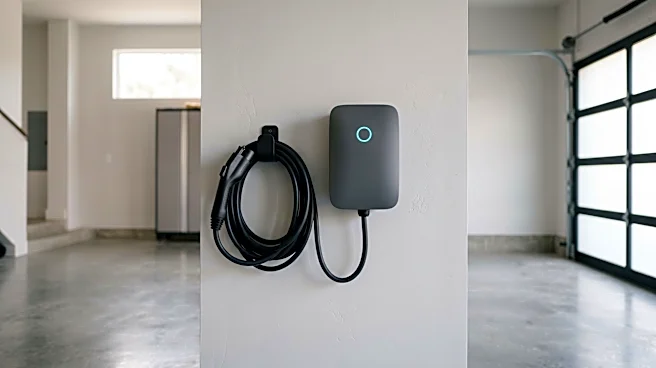
FedEx's investment extends beyond mere fleet modernization; it represents a strategic pivot towards a more resilient and environmentally conscious business model. The integration of electric vehicles, especially if coupled with on-site renewable energy generation, could significantly reduce the company's vulnerability to volatile fossil fuel prices and enhance its energy independence. This move also addresses growing consumer and investor demand for corporate social responsibility and sustainability, potentially boosting brand reputation and market appeal. The scale of FedEx's operations means that its transition to electric vehicles will necessitate significant infrastructure development, including charging stations at its numerous facilities, which could spur innovation and investment in smart grid technologies and energy management systems. Furthermore, the potential for widespread rooftop solar deployment on FedEx facilities could transform underutilized commercial real estate into significant sources of clean energy, contributing to grid stability and local energy independence. This holistic approach could redefine industry standards for sustainable logistics, pushing the entire sector towards a greener future.