



What's Happening?
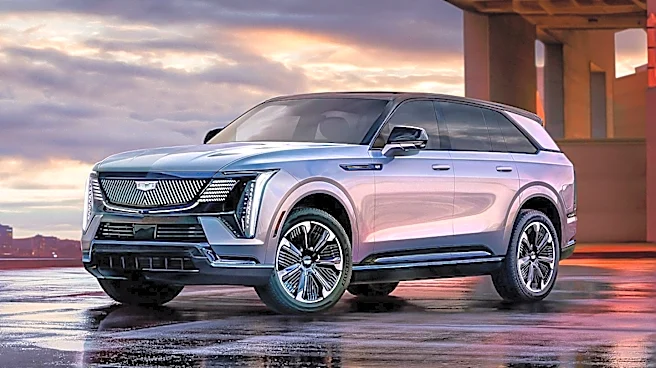
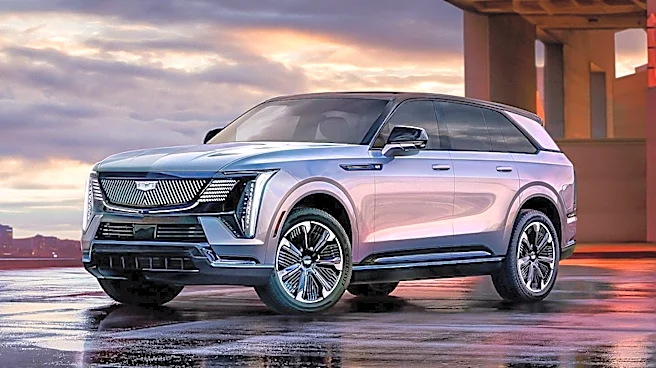
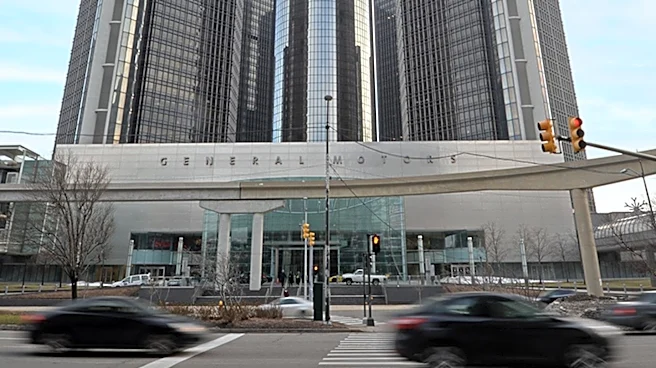
General Motors has announced a recall of certain 2026-2027 Cadillac Vistiq electric vehicles due to a defect in the third-row seatbacks. The defect involves the seatbacks failing to reverse when encountering an obstruction, posing a risk of trapping individuals,
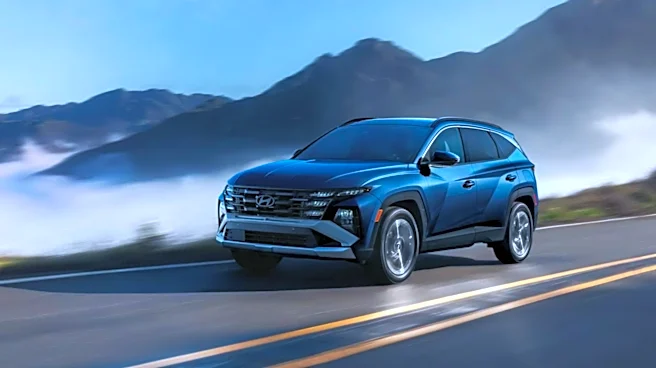
particularly small children. This recall affects over 14,000 vehicles, with the company estimating that 100% of these vehicles have the defect. The issue was identified following a similar recall by Hyundai, which was prompted by the tragic death of a toddler in a power seat incident. General Motors has stated that no injuries have been reported in connection with the Cadillac recall. Owners of the affected vehicles are advised to bring their cars to dealerships, where the third-row folding feature will be disabled until a permanent fix is available. Notification letters are expected to be sent to vehicle owners by August 3.
Why It's Important?
The recall highlights significant safety concerns associated with modern vehicle features, particularly those involving automated systems. The defect in the Cadillac Vistiq's seatback mechanism underscores the potential risks of advanced automotive technologies when they malfunction. This incident also reflects the broader industry challenge of ensuring safety in the face of increasing automation. The recall could impact General Motors' reputation and consumer trust, especially as it follows a similar incident involving Hyundai. The automotive industry may face increased scrutiny from regulators and consumers, prompting manufacturers to enhance safety protocols and testing procedures for new technologies.
What's Next?
General Motors plans to disable the third-row folding feature in affected vehicles until a remedy is available. The company has also instructed dealers to halt delivery orders for the impacted models. As the recall progresses, General Motors will likely work closely with the National Highway Traffic Safety Administration to ensure compliance and address any further safety concerns. The automotive industry may see a push for stricter safety standards and more rigorous testing of automated features to prevent similar incidents in the future.