


What's Happening?
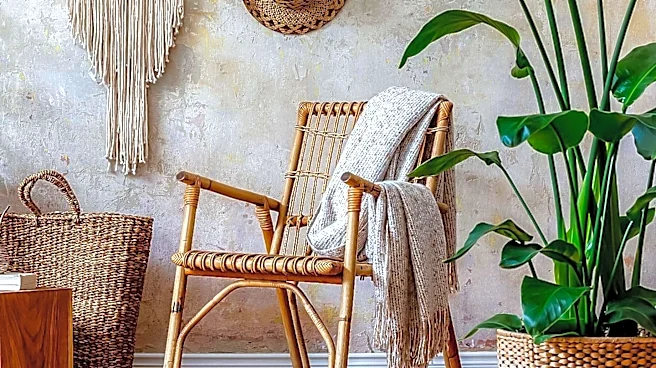
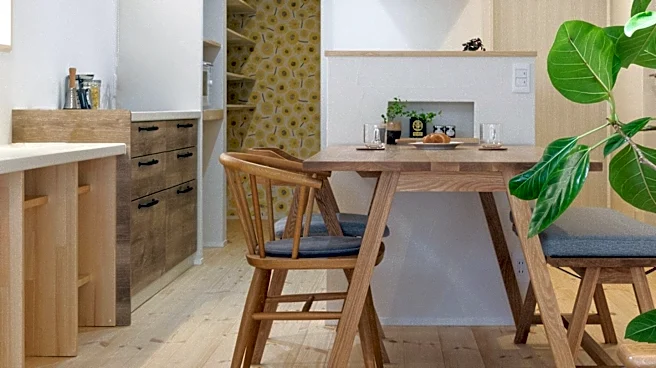
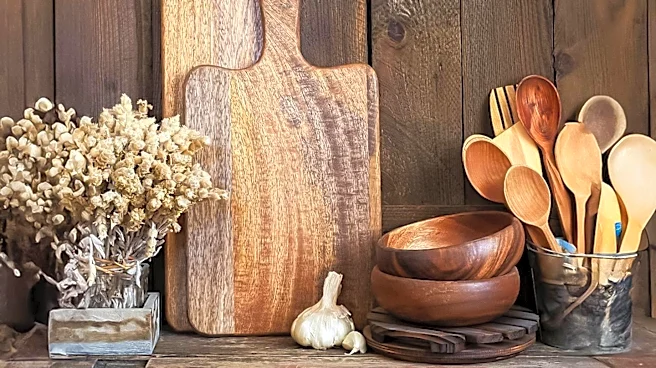
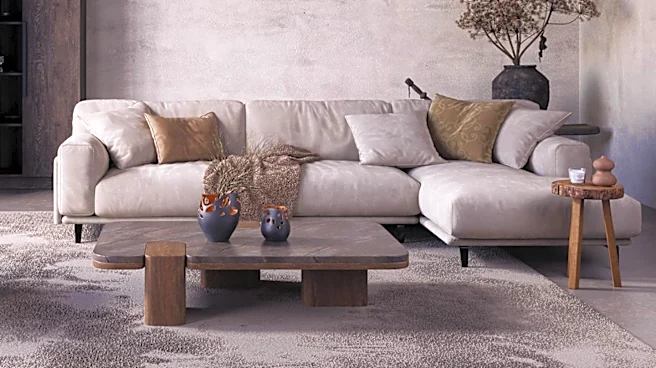
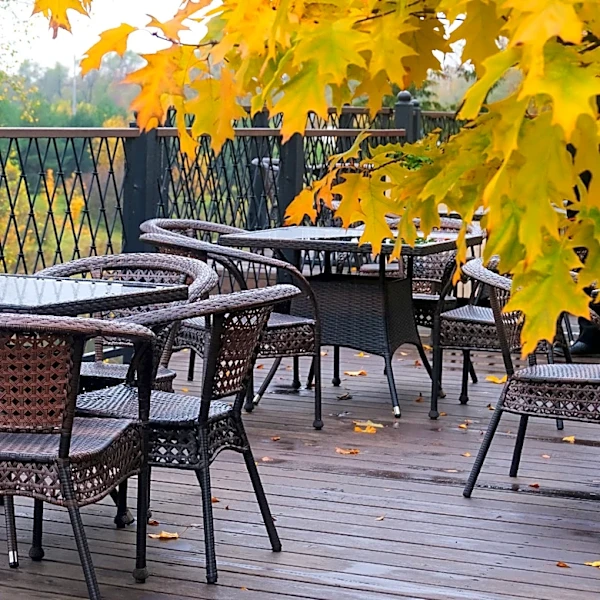
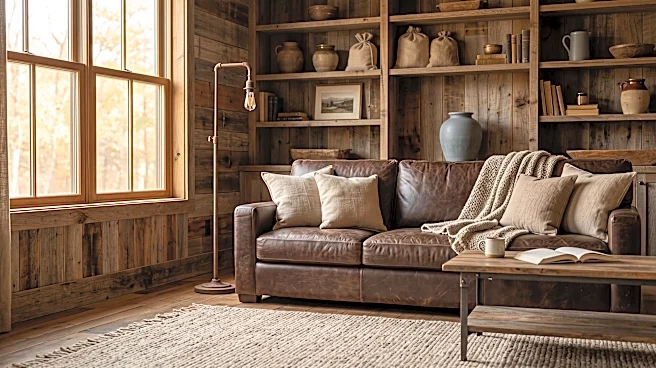
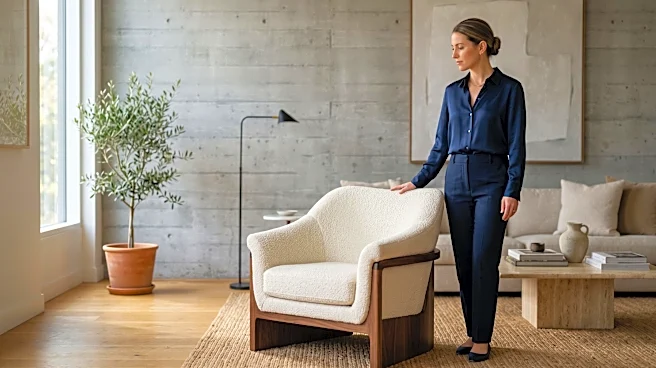
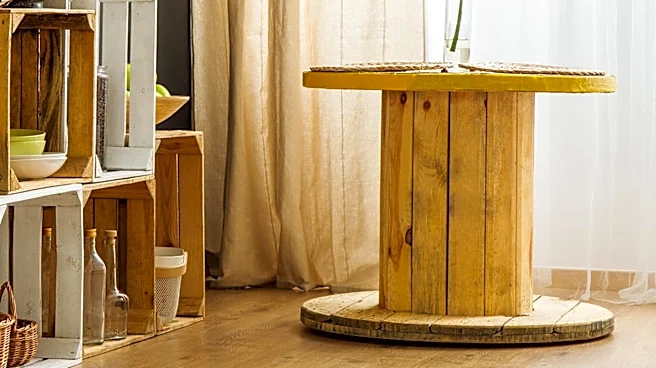
The wabi-sabi style, an aesthetic rooted in embracing simplicity and imperfection, is gaining prominence in home decor. This design philosophy emphasizes the use of natural materials such as wood, bamboo, linen, cotton, and rattan. It features simple
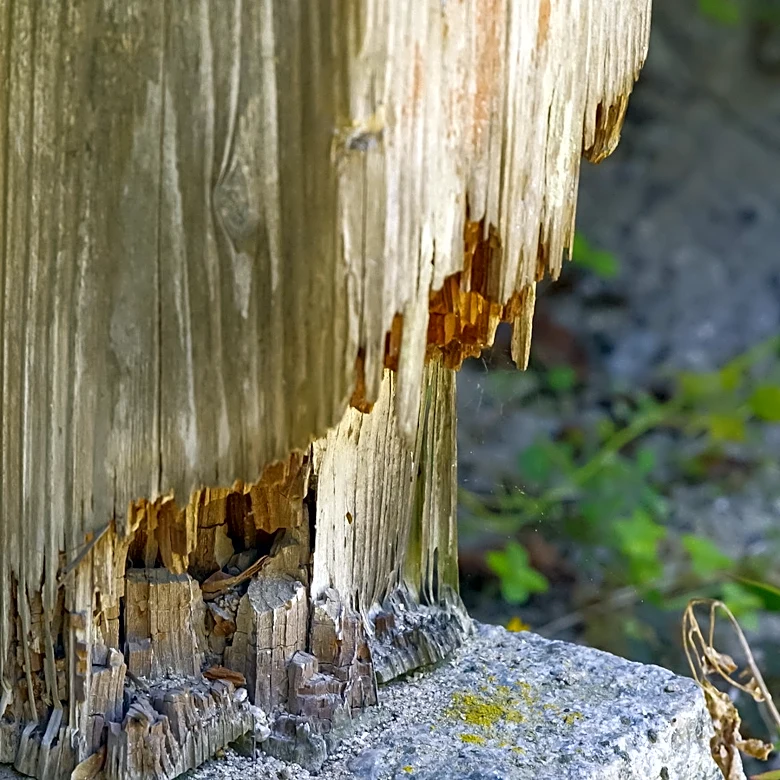
forms, organic shapes, and a limited number of accessories, prioritizing functionality and muted color palettes. Examples of this style are evident in various home items, including a geometric sculpture and a chair mat. The approach is also reflected in traditional Japanese inns, known as ryokans, where natural materials and the changing seasons are integral to the guest experience. The style's core tenets include finding beauty in the slightly imperfect and valuing items that age gracefully, rather than striving for mass-produced smoothness.
Why It's Important?
The growing popularity of wabi-sabi style signifies a broader cultural shift towards valuing authenticity, sustainability, and a more mindful approach to consumption. In an era often dominated by fast fashion and disposable goods, wabi-sabi encourages investing in durable, natural materials that develop character over time. This aesthetic promotes a sense of tranquility and understated elegance, offering an alternative to overly polished or consumer-driven design trends. For U.S. consumers, this could mean a greater demand for handcrafted items, vintage pieces, and furniture made from sustainable resources. Businesses in the home decor, furniture, and textile industries may find opportunities in catering to this demand by offering products that align with wabi-sabi principles, such as items with natural finishes, organic textures, and simple, functional designs. This trend also aligns with increasing environmental consciousness, as it champions the use of eco-friendly materials and a 'less is more' philosophy.
What's Next?
The continued integration of wabi-sabi principles into mainstream U.S. home decor is anticipated. This could lead to an increased availability of products that embody this aesthetic, from furniture and textiles to decorative objects. Designers and retailers are likely to further explore combinations of wabi-sabi with other complementary styles, such as Japandi (a fusion of Japanese and Scandinavian design), which also emphasizes natural materials, muted colors, and functionality. Consumers can expect to see more options for creating serene and minimalist living spaces that celebrate natural imperfections. The focus on longevity and natural aging of materials suggests a potential for growth in markets for artisanal goods and custom-made furniture, as well as a greater emphasis on repair and restoration rather than constant replacement.
Beyond the Headlines
The embrace of wabi-sabi extends beyond mere aesthetics; it reflects a deeper philosophical inclination towards accepting impermanence and imperfection, which can have psychological benefits in a society often pressured by ideals of perfection. This design philosophy encourages a slower pace of life and a greater appreciation for the natural world, fostering a sense of calm and contentment within one's living environment. Ethically, it promotes sustainable consumption by valuing durability and natural materials, potentially reducing waste and the environmental impact of home furnishings. Culturally, it introduces a Japanese concept of beauty that challenges Western notions of flawless design, encouraging a more nuanced understanding of aesthetics. This shift could influence not only how homes are decorated but also how products are manufactured and consumed, emphasizing craftsmanship and the inherent beauty of natural wear and tear.