




What's Happening?
Ankur Lighting highlights the critical role of lighting design in shaping home aesthetics and influencing mood, particularly for festive occasions. The company stresses that lighting extends beyond mere visibility, actively dictating how individuals feel
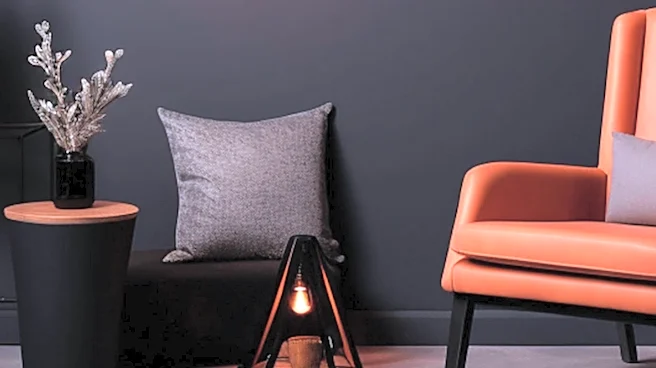
within a space. Key aspects include the color temperature of light, with warm white (2700K-3000K) recommended for creating cozy and inviting environments, especially in living rooms, dining areas, and entryways. In contrast, neutral white (4000K) is suggested for functional spaces like kitchens, and cool white (5000K-6500K) is generally advised against for living areas due to its harshness. Ankur Lighting advocates for a layered approach to home illumination, combining ambient, task, and accent lighting to achieve visual depth and a dynamic aesthetic. The company also promotes upgrading to LED products for their energy efficiency, safety, and ability to maintain cooler indoor temperatures, which is particularly beneficial during gatherings.
Why It's Important?
The emphasis on lighting's psychological impact and its role in home aesthetics is significant for U.S. consumers and the interior design industry. As more people spend time at home, the demand for creating comfortable and inviting living spaces has grown. Ankur Lighting's guidance on color temperature and layered lighting provides practical insights for homeowners looking to enhance their living environments, especially during festive seasons when ambiance is crucial. The recommendation for LED technology underscores a broader trend towards energy efficiency and sustainability in home improvement, benefiting consumers through reduced energy costs and contributing to environmental goals. This approach also influences product development in the lighting industry, driving innovation in fixtures that offer both aesthetic appeal and functional versatility, such as dimmable options and tunable color temperatures, catering to diverse consumer preferences and needs.
What's Next?
Consumers are likely to see continued innovation in smart lighting solutions that offer greater control over color temperature, brightness, and scheduling, allowing for dynamic mood adjustments throughout the day. The market for energy-efficient LED lighting is expected to expand further, with manufacturers focusing on integrating advanced features like smart home compatibility and enhanced design aesthetics. Interior designers and home decorators will increasingly incorporate sophisticated lighting strategies into their projects, moving beyond basic illumination to create immersive and emotionally resonant spaces. Educational initiatives from lighting companies and design professionals will continue to inform consumers about the benefits of layered lighting and appropriate color temperatures for different rooms and activities, fostering a more discerning approach to home lighting choices.
Beyond the Headlines
The focus on lighting's psychological effects touches upon the broader concept of well-being and how environmental factors influence human emotions and productivity. Beyond aesthetics, proper lighting can impact circadian rhythms, sleep quality, and overall mental health. The shift towards warm, inviting light in residential settings reflects a societal desire for comfort and sanctuary in an increasingly fast-paced world. Furthermore, the adoption of LED technology has ethical implications, as it reduces energy consumption and the environmental footprint associated with traditional lighting. This trend aligns with a growing consciousness about sustainable living and responsible consumption. The ability to manipulate mood through lighting also has cultural dimensions, as different cultures may associate specific lighting conditions with various social functions or emotional states, influencing design preferences and market demands.