







What's Happening?
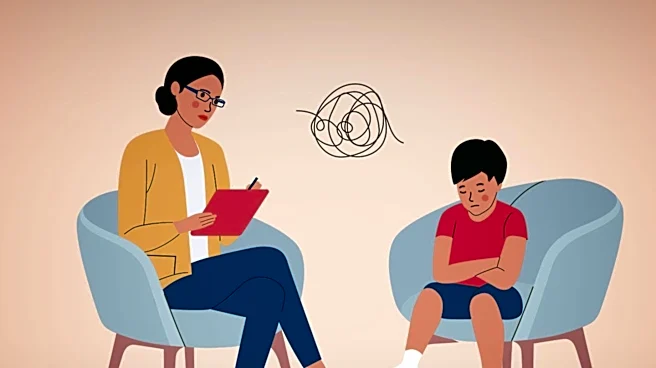
Several prominent therapy apps, including Lasting, Paired, and ReGain, are explicitly stating that their services are not intended to replace traditional face-to-face therapy. Lasting, which markets itself as 'The #1 Marriage Counseling App,' and Paired both
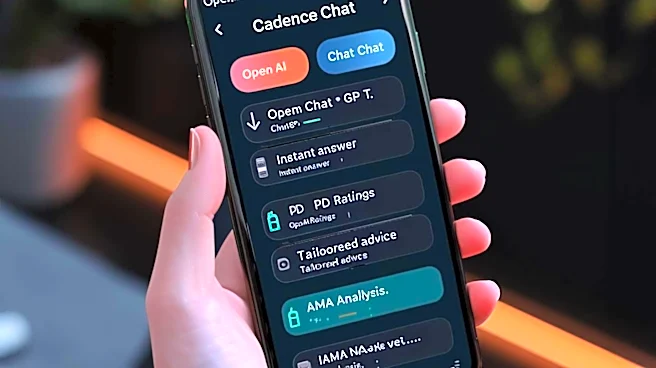
include disclaimers that their materials do not constitute medical, psychological, or mental health advice or diagnosis. Similarly, the VA's free Couples Coach emphasizes it is not a replacement for in-person counseling, and ReGain, despite connecting users with licensed therapists, notes its service isn't a substitute for face-to-face therapy in every case. These apps aim to provide support, guidance, and tools for couples and individuals, with some offering features like chat or voice communication, and others focusing on self-help programs or daily questions. Harmony, for instance, offers a Couples Chat feature that checks messages for heated or contemptuous language before they reach a partner, providing private coaching to the sender. Other apps like CBT Thought Diary - MindPivot utilize cognitive behavioral therapy principles to help users manage anxiety and cognitive distortions through interactive questioning.
Why It's Important?
The clarification from these therapy apps is crucial for managing user expectations and ensuring appropriate mental health care. While these digital tools offer accessible and flexible support, particularly for those who may face barriers to traditional therapy, they are not designed to handle complex clinical conditions, crises, or situations involving domestic violence. The distinction highlights the ongoing debate about the scope and limitations of digital mental health solutions. For individuals, understanding these limitations is vital to making informed decisions about their mental health journey. For the mental health industry, it underscores the need for clear communication regarding the capabilities of technology-based interventions and the continued importance of licensed professionals for comprehensive care. The rise of these apps also reflects a growing demand for mental health support that can be integrated into daily life, offering a supplementary resource for self-improvement and relationship building.
What's Next?
The mental health app landscape is likely to continue evolving with a focus on integrating digital tools with traditional care. Developers may explore stronger links to human support, as suggested by research, to provide a more comprehensive continuum of care. Regulatory bodies may also increase scrutiny on how these apps are marketed and the claims they make, especially concerning their therapeutic efficacy and the qualifications of their 'coaches' or AI. Users can expect to see more explicit disclaimers and clearer guidance on when to seek professional, in-person help. The ongoing development of AI in mental health will also necessitate further research into its long-term benefits and potential risks, particularly regarding the nature of the relationship users form with AI companions and the ethical implications of AI-driven therapeutic interventions.
Beyond the Headlines
The proliferation of therapy apps and their explicit disclaimers about not replacing face-to-face therapy point to a broader societal shift in how mental health support is accessed and perceived. These apps democratize access to mental wellness tools, offering a low-barrier entry point for individuals who might be hesitant to seek traditional therapy due due to stigma, cost, or scheduling conflicts. However, this also raises ethical considerations about the potential for over-reliance on automated or semi-automated solutions for complex human emotional and psychological needs. The emphasis on self-help and coaching, rather than clinical diagnosis and treatment, highlights a growing market for wellness-oriented digital products that exist outside the traditional medical framework. This trend could lead to a redefinition of 'therapy' in the digital age, where a spectrum of support, from self-guided exercises to licensed professional intervention, is available, each with its own set of benefits and limitations.