







What's Happening?
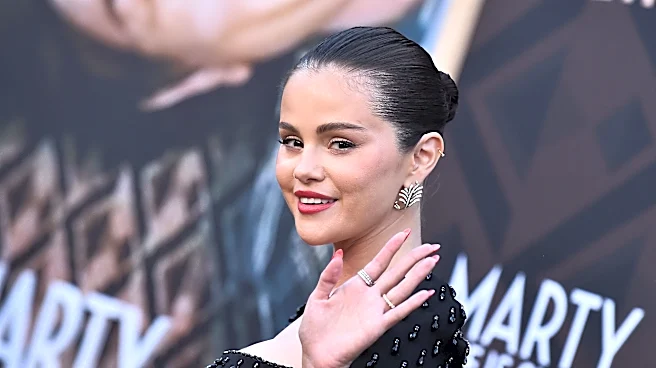
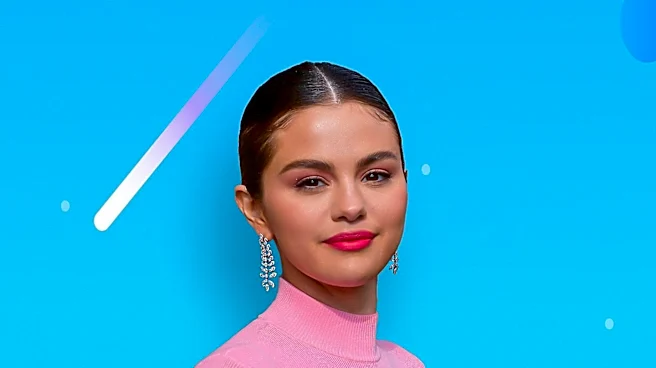
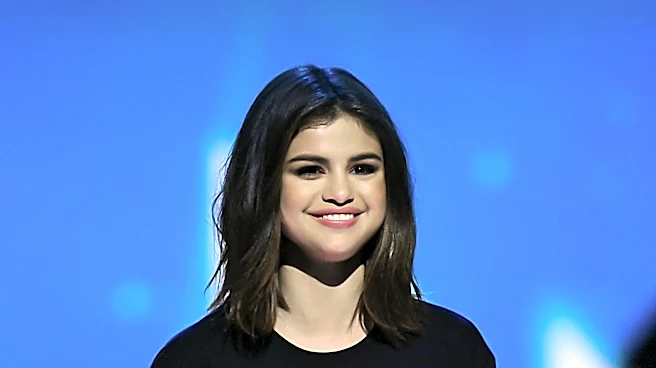
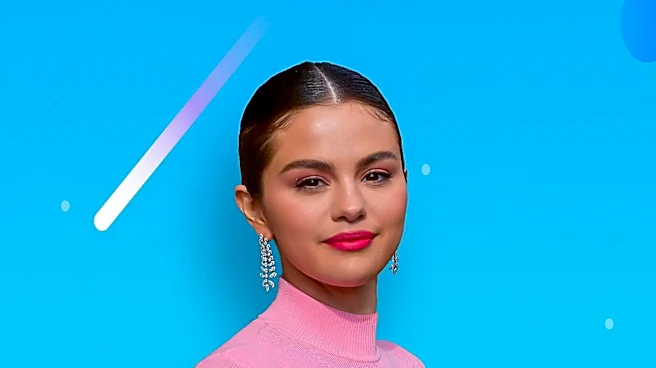
Selena Gomez has filed a motion to dismiss a fraud lawsuit brought against her by investors in the mental health startup Wondermind. The lawsuit, filed by Wondermind SRS 44 LLC and Bespoke Wondermind LLC, alleges that Gomez, her mother Mandy Teefey, and co-founder
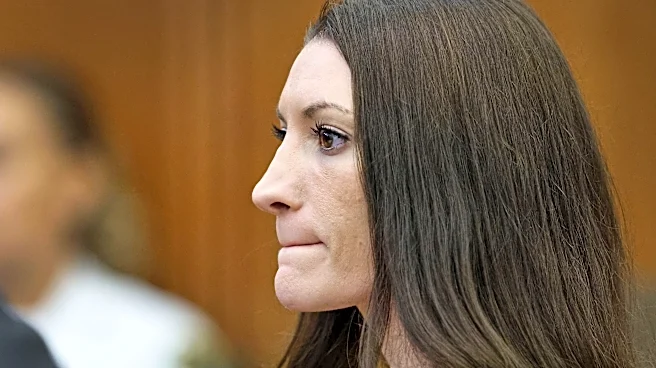
Daniella Pierson misled investors about the company's infrastructure, management, and resources. Investors claim they put approximately $1.2 million into Wondermind, believing Gomez would be intimately involved in marketing and publicity, and that the company subsequently 'quietly collapsed.' Gomez's legal team, led by attorney Mathew S. Rosengart, argues that the accusations are vague, generalized, and contradictory. They assert that Gomez was a minority investor and consultant with the title of 'Chief Impact Officer,' but never agreed to manage the company, with management responsibilities resting with Teefey and Pierson as co-CEOs and board members. Rosengart has characterized the claims against Gomez as 'completely meritless if not frivolous' and is exploring avenues for sanctions against the plaintiffs for including her in the lawsuit.
Why It's Important?
This lawsuit highlights the increasing scrutiny faced by celebrity-backed ventures, particularly in the startup ecosystem. The involvement of high-profile figures like Selena Gomez can significantly influence investor decisions, as her lawyer for the plaintiffs, Jeffrey Neiman, stated, 'Selena wasn't simply associated with the pitch. She was the pitch.' The case could set a precedent for how celebrity endorsements and roles in startups are legally defined and the extent of their liability when a venture faces financial difficulties. For the mental health tech industry, which has seen a surge in investment and public interest, the outcome could impact investor confidence and the due diligence required for celebrity partnerships. It also underscores the importance of clear contractual agreements and transparent communication regarding roles and responsibilities within a company, especially when a public figure's image is central to fundraising efforts. The potential for sanctions against the plaintiffs also signals a growing pushback against what some legal teams perceive as opportunistic lawsuits targeting celebrities.
What's Next?
Selena Gomez's motion to dismiss the lawsuit will now be considered by the court. If the motion is granted, Gomez will be removed from the case, and the legal proceedings would likely continue against her mother, Mandy Teefey, and co-founder Daniella Pierson. If the motion is denied, Gomez would remain a defendant, potentially leading to a prolonged legal battle, including discovery and possibly a trial. Her legal team has indicated they are exploring 'other avenues of relief for Ms. Gomez including sanctions against plaintiffs for improperly including her,' suggesting a potential counter-action if the dismissal is not granted. The investors are seeking the return of their funds, along with additional financial damages for alleged misconduct by the company's management. The outcome of this motion will significantly influence the trajectory of the lawsuit and could impact how celebrity involvement in startups is approached legally in the future.
Beyond the Headlines
Beyond the immediate legal implications, this case touches upon the ethical considerations of celebrity influence in business, particularly in sensitive areas like mental health. While Gomez is known for her advocacy and openness about her own mental health struggles, the lawsuit raises questions about the distinction between genuine support for a cause and a strategic business role. The investors' claim that Gomez's involvement was the primary reason for their investment highlights the power of celebrity branding and the potential for perceived misrepresentation, even if unintentional. This situation could lead to a re-evaluation of how celebrities are positioned within startup structures and the level of transparency required regarding their operational involvement versus their public-facing roles. It also underscores the broader challenge for startups in balancing the allure of celebrity association with the need for robust business fundamentals and clear governance, especially when dealing with significant investor capital.