




What's Happening?
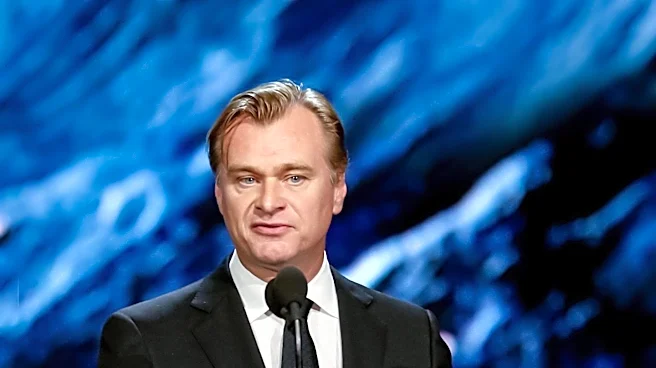
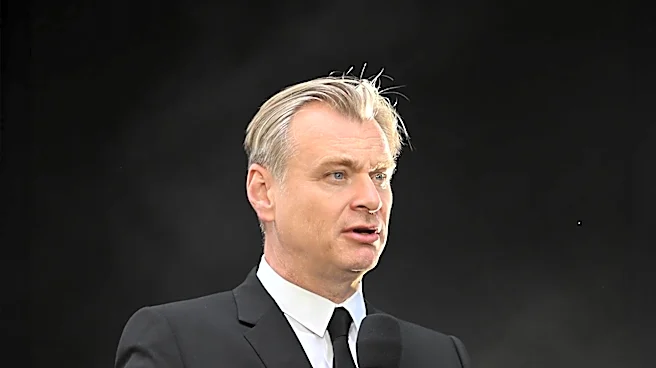
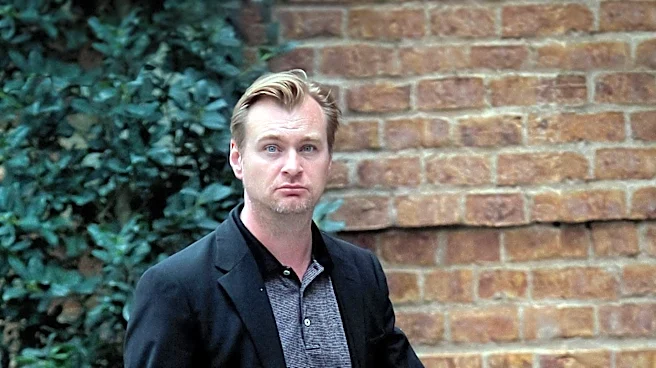
Christopher Nolan's film adaptation of Homer's 'The Odyssey' has become a box office success, projected to earn over $1 billion globally. However, the film has sparked debate due to significant deviations from the original epic poem. Notably, Greek translator
Emily Wilson criticized the absence of gods like Zeus and Poseidon and the film's anti-war message, which she found incoherent. She also expressed concerns over the portrayal of characters such as Penelope and Odysseus' dog, Argos, suggesting that these changes detract from the original themes. Nolan's adaptation introduces a new dynamic between Helen of Troy and Menelaus, depicting a toxic marriage rather than the forgiveness seen in the poem. Additionally, the film's ending diverges from the original, with Odysseus and Penelope sailing into the sunset, a departure from the poem's conclusion where Odysseus remains king.
Why It's Important?
The changes made by Nolan in 'The Odyssey' highlight the challenges and creative liberties involved in adapting classic literature for modern audiences. This adaptation raises questions about fidelity to source material and the balance between artistic interpretation and historical accuracy. The film's success and the ensuing debate underscore the enduring relevance of ancient stories and their adaptability to contemporary themes, such as the critique of war and the exploration of human relationships. The discussions around these changes also reflect broader cultural conversations about how historical narratives are reshaped to resonate with current societal values.
What's Next?
As 'The Odyssey' continues to perform well at the box office, further analysis and critique from scholars and audiences are likely. The film may inspire renewed interest in Homer's original work, prompting discussions in academic and literary circles about the nature of adaptation. Additionally, the film's success could influence future adaptations of classical literature, encouraging filmmakers to explore bold reinterpretations while considering the potential for controversy. The reception of Nolan's 'The Odyssey' may also impact how studios approach the adaptation of other historical and literary works, balancing commercial success with artistic integrity.