




What's Happening?
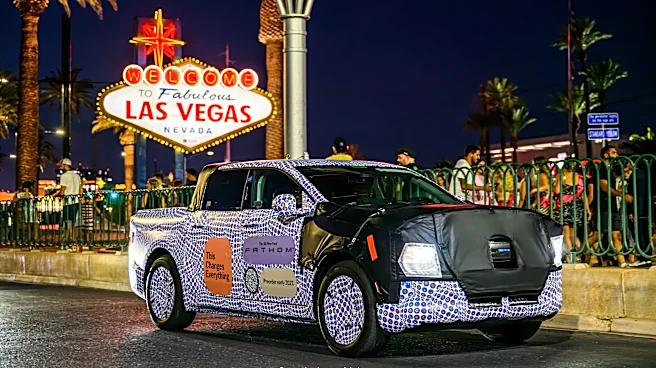
Lincoln, the luxury vehicle division of Ford, is reportedly developing a new off-road-oriented vehicle based on the Ford Bronco platform. This move is aimed at entering the growing market for rugged, luxury SUVs, directly competing with established models
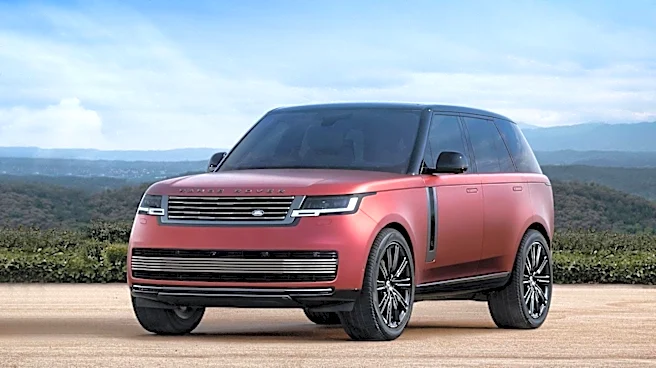
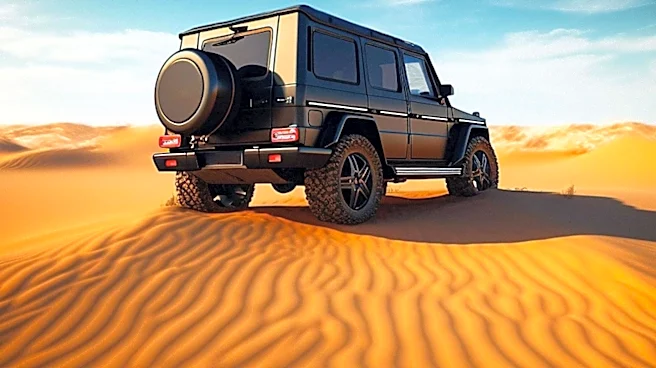
like the Mercedes-Benz G-Class and offerings from Land Rover. The Mercedes-Benz G-Class has recently transitioned from a niche vehicle to a benchmark in the luxury off-road segment, driving other luxury brands to develop their own competitors. Rumors about a potential Bronco-based Lincoln model first emerged earlier this year and have gained traction since. This strategic shift indicates Lincoln's intent to diversify its product lineup and capture a share of the lucrative luxury off-road vehicle market, moving beyond its traditional sedan and crossover offerings.
Why It's Important?
This development is significant for the U.S. automotive industry as it signals Lincoln's aggressive push into a highly profitable segment dominated by European luxury brands. By leveraging the Ford Bronco's robust off-road capabilities, Lincoln aims to offer a compelling alternative to consumers seeking both luxury and rugged performance. This could intensify competition within the luxury SUV market, potentially leading to more innovative features and designs across the board. For Lincoln, success in this segment could revitalize its brand image, attracting a new demographic of buyers and boosting its market share. Conversely, failure to differentiate effectively or meet consumer expectations could result in significant investment losses and further challenge its position in the competitive luxury market.
What's Next?
The next steps will likely involve Lincoln officially announcing its plans for the new vehicle, potentially revealing concept designs or prototypes. Industry observers will be keen to see how Lincoln differentiates its offering from the Ford Bronco and its luxury competitors, particularly in terms of interior refinement, technology, and unique styling cues. The market will also watch for details on pricing and production timelines. Competitors like Mercedes-Benz and Land Rover may respond by accelerating their own product development cycles or enhancing existing models to maintain their market leadership. The success of Lincoln's venture will depend heavily on its ability to blend the Bronco's off-road prowess with the premium experience expected from a luxury brand.
Beyond the Headlines
Beyond the immediate market competition, Lincoln's move reflects a broader trend in the automotive industry where traditional luxury brands are adapting to evolving consumer preferences for versatile, adventure-ready vehicles. This shift challenges the conventional perception of luxury as solely focused on on-road comfort and prestige. It also highlights the strategic importance of platform sharing within automotive groups, allowing brands like Lincoln to quickly enter new segments by utilizing proven architectures. The success of a Bronco-based Lincoln could influence other luxury manufacturers to explore similar strategies, potentially leading to a proliferation of luxury off-road vehicles and blurring the lines between traditional luxury and adventure segments. This could also impact aftermarket accessory markets, as owners of these new luxury off-roaders seek customization options.