









What's Happening?
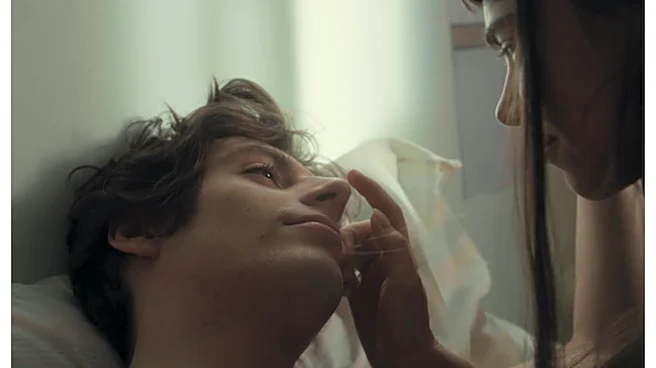
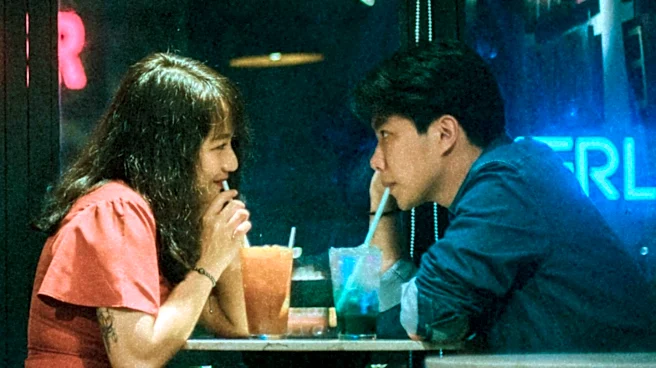
A new trend in romantic storytelling is emerging, characterized by a shift from idealized love stories to more authentic and emotionally honest narratives. The film 'Lover, Not a Fighter' exemplifies this movement by focusing on the real-life complexities
of relationships rather than perfect romantic fantasies. The film portrays two young adults navigating adulthood with all its insecurities and emotional challenges, offering a narrative that resonates with younger audiences who value authenticity and emotional depth. This shift is part of a broader cultural trend where Gen Z and younger Millennials are increasingly drawn to stories that reflect their own experiences and struggles, rather than idealized versions of romance.
Why It's Important?
This trend towards authenticity in romantic storytelling is significant as it reflects changing societal values, particularly among younger generations. As Gen Z and Millennials prioritize emotional wellbeing and honest communication, they are seeking media that mirrors these values. This shift has implications for the entertainment industry, which must adapt to meet the demand for more relatable and emotionally resonant content. By focusing on imperfect characters and realistic narratives, filmmakers can create stronger emotional connections with audiences, leading to increased engagement and cultural relevance. This trend also highlights a growing acceptance of vulnerability and emotional complexity in mainstream media, which can influence broader societal attitudes towards relationships and mental health.
What's Next?
As this trend continues to grow, it is likely that more filmmakers will embrace emotionally honest storytelling, leading to a wider array of films that explore the nuances of modern relationships. This could result in a diversification of romantic narratives in mainstream cinema, with a greater focus on character-driven stories that prioritize emotional growth over traditional romantic tropes. Additionally, this trend may influence other areas of media and entertainment, including television, literature, and advertising, as audiences increasingly seek content that reflects their own experiences and values. The success of films like 'Lover, Not a Fighter' could encourage more creators to take risks with unconventional storytelling, ultimately reshaping the landscape of romantic cinema.
Beyond the Headlines
The shift towards authentic romance in cinema also raises important questions about the role of media in shaping societal norms and expectations around relationships. By presenting more realistic portrayals of love and emotional growth, these films can challenge traditional narratives that often prioritize perfection and fantasy. This can lead to a broader cultural acceptance of imperfection and vulnerability, encouraging audiences to embrace their own emotional complexities. Furthermore, as mental health becomes a more prominent topic in public discourse, films that address these issues with sensitivity and honesty can contribute to a more informed and empathetic society.