



What's Happening?
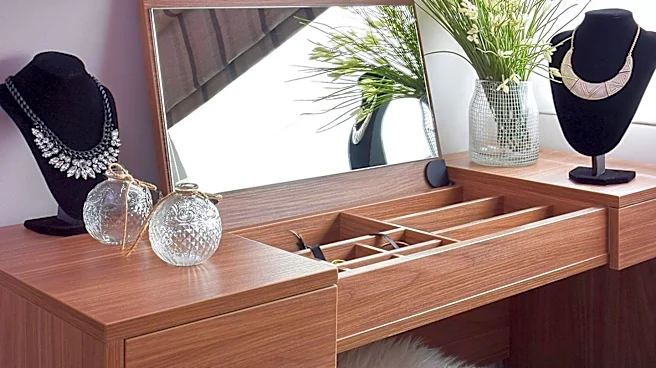
Vintage dressing tables are being recognized not just as furniture but as intimate historical artifacts that reflect evolving beauty rituals, personal habits, and societal changes. Unlike other furniture, a dressing table was a private space for getting
ready, accumulating personal possessions like scent bottles, hairbrushes, and jewelry. The concept of a dedicated grooming space dates back centuries, with specialized furniture appearing in wealthy European households by the late seventeenth century. These tables evolved from practical workstations, sometimes incorporating writing desks, to glamorous symbols in the Art Deco era and through the influence of Hollywood cinema. Today, they continue to fascinate due to their ability to evoke the lives of their past owners and the changing nature of personal grooming and self-expression.
Why It's Important?
The enduring appeal of vintage dressing tables highlights a cultural fascination with personal history and the tangible remnants of past lives. These pieces offer insights into historical beauty standards, social customs, and the design trends of different eras. For collectors and enthusiasts, they represent a connection to a bygone era, showcasing craftsmanship and design sensibilities that are often distinct from modern mass-produced items. The narrative surrounding these tables also underscores the universal human desire for a personal space dedicated to self-care and preparation. This appreciation for vintage items contributes to a circular economy, promoting reuse and preservation over constant new production, and influencing contemporary design by drawing inspiration from historical aesthetics.
What's Next?
The interest in vintage dressing tables is likely to continue, driven by a growing appreciation for unique, characterful furniture and sustainable living. This could lead to increased demand for restoration services and specialized dealers. Designers might draw inspiration from historical dressing table designs, integrating elements of privacy, organization, and aesthetic appeal into modern furniture. Educational initiatives and exhibitions focusing on the social history of beauty and personal spaces could further enhance public understanding and appreciation of these items. The market for vintage accessories that once adorned these tables, such as perfume bottles and vanity sets, is also expected to remain strong among collectors.
Beyond the Headlines
The dressing table, as a personal sanctuary, reveals deeper insights into the human need for ritual and self-transformation. It symbolizes the transition from private self to public persona, a space where identity is constructed and refined. The evolution of the dressing table, from a functional piece to a glamorous icon, mirrors broader societal shifts in gender roles, beauty ideals, and the commodification of personal care. In an increasingly digital world, the tangible and intimate nature of a vintage dressing table offers a nostalgic counterpoint, reminding us of the value of physical objects and dedicated spaces for personal reflection and preparation. It also speaks to the enduring human desire to surround oneself with objects that hold meaning and tell a story.