







What's Happening?
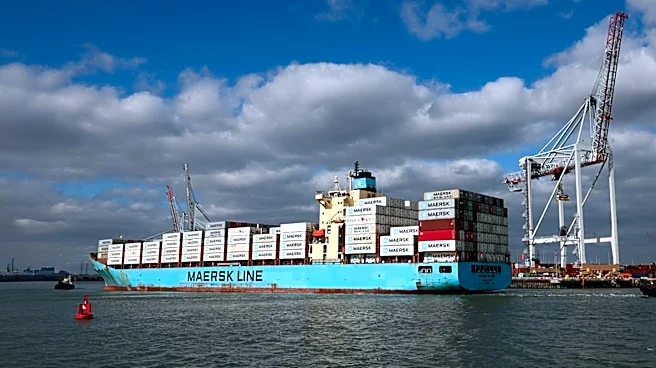
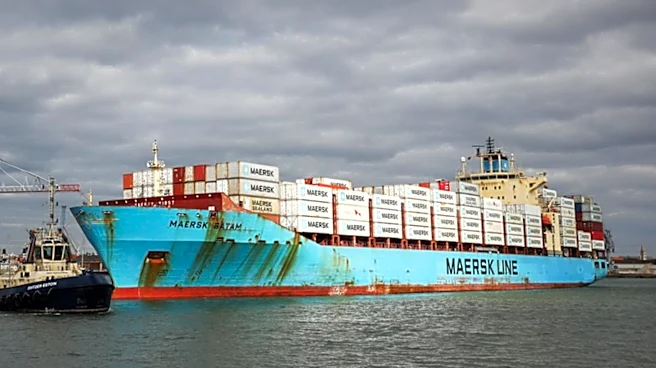
Repsol has successfully completed its first bioethanol bunkering operation for Maersk's container vessel, Antonia Maersk, at the Port of Barcelona. This marks a significant step in the Mediterranean region towards the adoption of alcohol-based marine
fuels. The operation highlights the readiness of infrastructure and logistics to support the commercial-scale deployment of such fuels. Repsol's initiative is part of its broader strategy to offer a multi-energy solution that includes conventional, renewable, and low-carbon fuels. The operation was conducted using Repsol's bunker vessel, Bahía Candela, which utilized its battery system to ensure zero local emissions during the fuel transfer.
Why It's Important?
This development is a critical milestone in the maritime industry's transition towards sustainable energy solutions. By supplying bioethanol, Repsol is contributing to the decarbonization of maritime transport, a sector traditionally reliant on high-emission fuels. The successful bunkering operation demonstrates the feasibility of using alcohol-based fuels at scale, potentially reducing the carbon footprint of shipping operations. This aligns with global efforts to combat climate change and supports the maritime industry's commitment to reducing greenhouse gas emissions. The collaboration between Repsol, Maersk, and the Port of Barcelona sets a precedent for future initiatives in other strategic maritime hubs.
Beyond the Headlines
The use of bioethanol in maritime transport could lead to significant shifts in fuel supply chains and infrastructure development. As more shipping companies explore low-emission fuel options, ports worldwide may need to adapt their facilities to accommodate new fuel types. This transition could also stimulate innovation in fuel production and distribution, creating new business opportunities and driving economic growth in the renewable energy sector.